Music Major
Index
Learn a wide range of musical expression that can lead to career development.
Students will learn a wide range of musical expression that will contribute to their career development, including practical skills in vocal music, piano, wind and percussion instruments, pipe organ, jazz and pop, and musical theater, as well as lectures in musicology such as music history, and various fields of Japanese traditional music, ethnic music, and Christian music with a global perspective.
Features of the learning environment
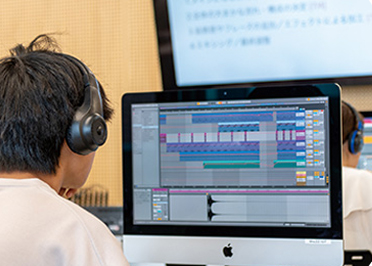
Students will learn traditional composition techniques such as harmony and orchestration, while also learning various ways to use computers, which have become an indispensable tool for composition. By learning computer programming languages and signal processing technologies such as sound synthesis and sound processing, they will acquire new composition techniques that have never existed before, such as automated composition and real-time sound processing, and explore new forms of musical art.
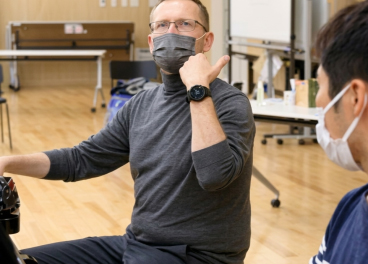
All practical subjects are carefully taught individually by teachers who are active on the front lines. You can freely create a curriculum that combines a main subject with longer lesson times and a shorter secondary subject, tailored to your goals and level. There are also practical courses for beginners, so you can confidently prepare if you aim to become a music teacher in the future. Additionally, you can take classes in 'Handbell' and 'Gospel,' which are unique to J. F. Oberlin University nationwide, for four years.
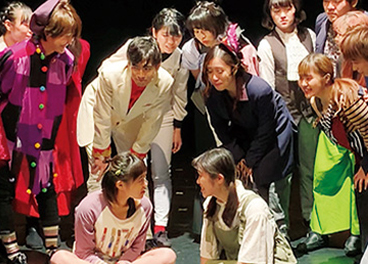
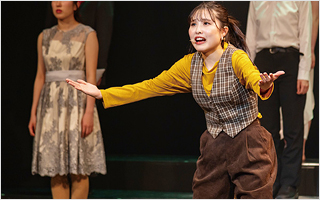
Musicals are a comprehensive art form. Music Major students, who are vocalists, performers, and composers, collaborate with students from Theater & Dance Major and Visual Arts Major to create a single performance. Musicals, boasting a large fan base and large attendance, are popular shows. Through valuable experiences of collaborating with many peers from different fields of expertise, you will learn the theories necessary for success in show business through hands-on experience.
Learning Music Major

In addition to vocal music, piano, orchestral and percussion instruments, composition, and early music (Baroque music), you can study various fields such as jazz & pop, computer music, and musicals. You can create your own curriculum by combining performance practice and theory classes, from traditional music to contemporary music. By experiencing the diverse charms of music, we cultivate musicians who can communicate effectively in today's complex society.
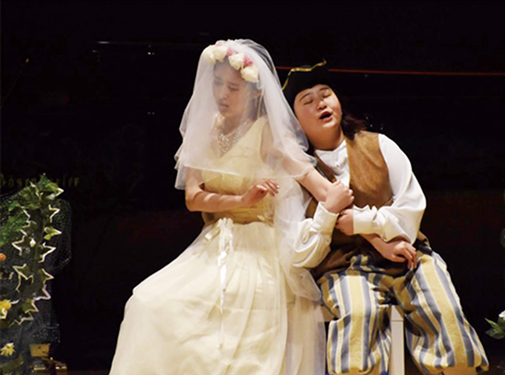
Refining vocal expressiveness through opera
It takes some time for your body to become a first-class instrument. In the classes after enrollment, you will learn Italian classical songs to develop a beautiful and sustained singing voice, relax your body, and master diaphragmatic breathing. Once your vocal range expands and your expressiveness and technique become richer, you will challenge yourself with opera through stage music practice. In the practice, you will mainly choose opera duets and add acting while using the techniques you have acquired in vocal classes. Then you will tackle operas rich in human emotion, such as "The Marriage of Figaro." Through creating works, you will fully experience the charm of opera, hone your expressiveness, communication skills, and teamwork, and share the sense of accomplishment and satisfaction of creating a work together with your classmates.
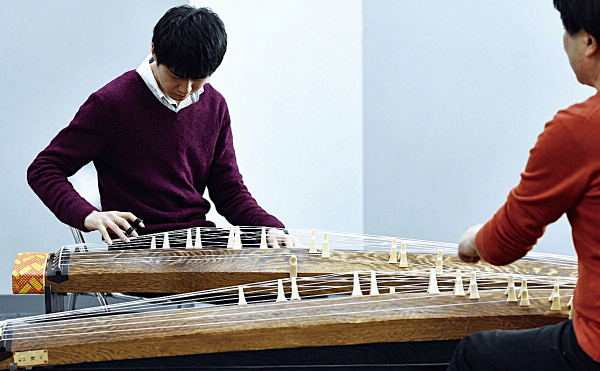
Learning Japanese "Traditional Sounds"
Western music is generally characterized by clearly expressed rhythm and harmony, but Japanese traditional music (hogaku) deviates from this, creating a unique Japanese space rooted in Japanese tradition. By exploring, through theory and practice, why such a space can be created, we can discover our own musical background. By actually trying our hand at playing traditional Japanese instruments such as the shakuhachi, koto, and shamisen, we will gain an understanding of the origins of Japanese traditional music and its unique means of expression. By deepening our understanding of our own country's music, we can gain a multifaceted perspective on how we, as Japanese people in the world, should express our art.
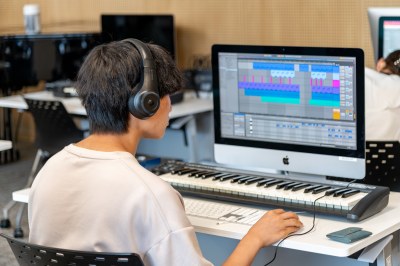
Learn to compose music with a computer
From general music production using DAWs to cutting-edge techniques utilizing programming, you can practically learn diverse music production methods using computers and audio equipment. The campus provides an environment that supports everything from individual production to professional sound editing, allowing you to deeply experience the process of logically shaping your own ideas. Beyond simply creating music, you will cultivate flexible fundamental skills to adapt to today's diverse media environment by deepening your understanding of digital technology. The goal is to acquire solid skills that will broaden your future possibilities while mastering technology as a tool and pursuing your own unique sonic expression.
Activity details
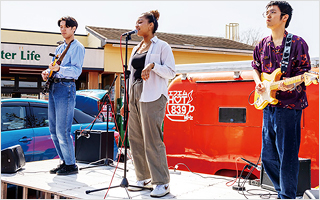
Performance activities that open up to the local community and connect to the world, contributing to a society that thrives in this way.
In recent years, there has been growing interest in leveraging the power of arts and culture for the benefit of society. This includes creating theatrical productions that involve ordinary citizens, delivering theater and dance as outreach to elderly care facilities and welfare facilities, and holding workshops. We conduct such activities and also train facilitators to carry them out.
Characteristics of the academic group
Open list of subpages
Content of learning
Open list of subpages
Career paths, qualifications, and achievements
Open list of subpages
Student life/environment