Performing Arts Research Institute
About OPAI (J. F. Oberlin University Performing Arts Institute / Performing Arts Research Institute) and its business
J. F. Oberlin University Performing Arts Institute = J. F. Oberlin University The Performing Arts Research Institute (abbreviated as OPAI) is committed to embodying the motto of J. F. F. Oberlin Gakuen through performing arts. 'Gakuji Jijin' means that students give back the knowledge and skills they have learned not only for themselves but also to others and society. At OPAI, we aim to contribute to local culture and the arts through theater, dance, music, and more, so that people living there can experience performing arts and feel color, richness, and vitality in their daily lives. OPAI mainly pursues two business directions. One is the implementation of the "Citizen Participatory Creative Project," and the other is the "Outreach Project." The former involves maximizing the university's unique resources such as faculty, facilities, and networks, with citizens, students, and professional artists collaborating to create and perform high-quality works; the latter involves sending professional artists to nursing homes, elementary schools, and welfare facilities to conduct outreach classes and workshops, or students taking the lead in bringing and performing independently developed works. Since College of Performing and Visual Arts relocated to the Tokyo Hinatayama Campus in 2020, residents of the nearby Kiso Yamazaki housing complex have also been eligible.
Business details
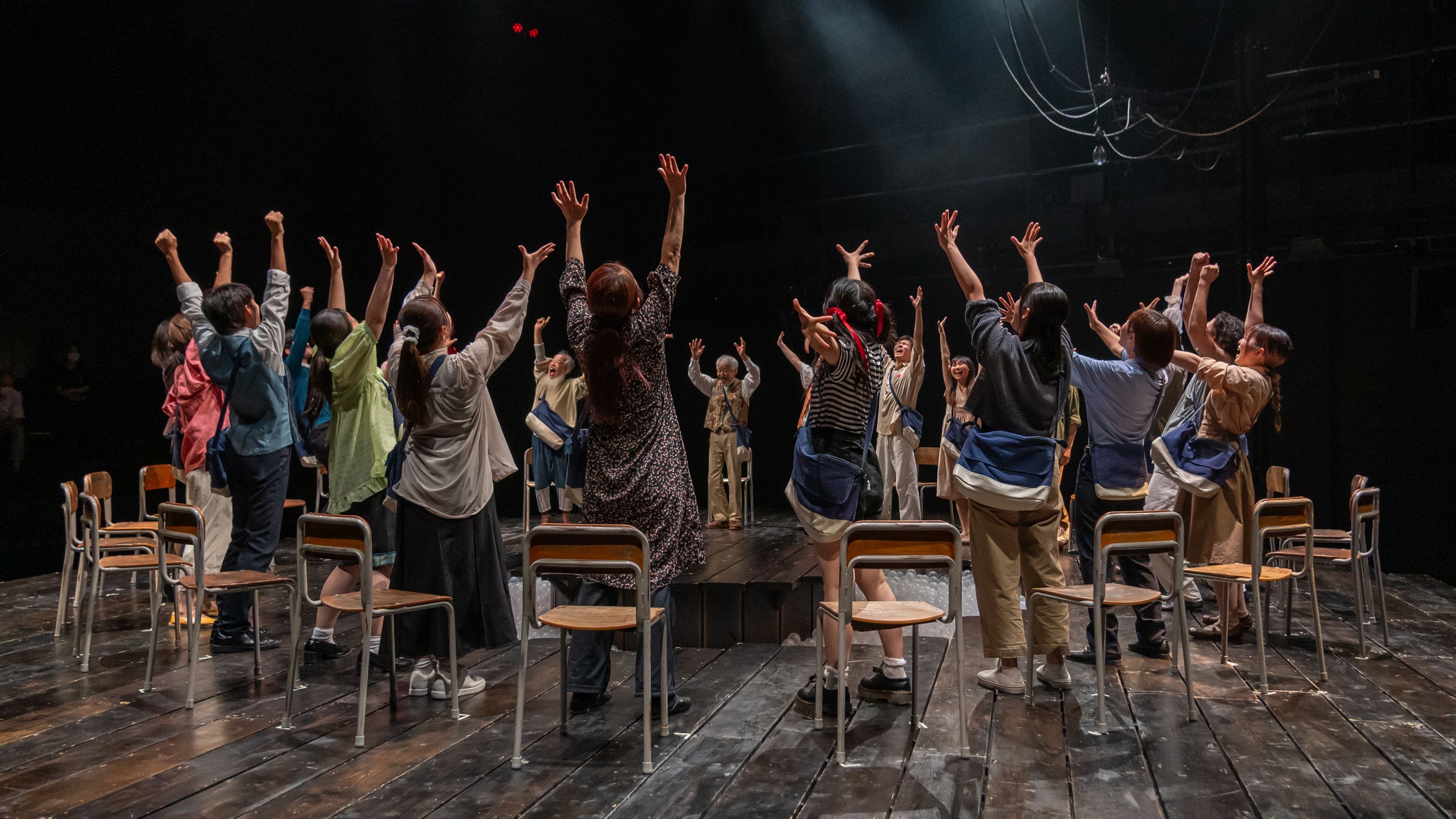
Citizen participatory creative project
High-quality performing arts created by citizens, students, and professional artists.
The "Citizen Participation Creative Project" aims to create high-quality works by having citizens, primarily residents of the Machida and Sagamihara areas, participate as performers in the creation of stage arts, collaborating with professional artists and students studying performing arts. Participating citizens come from all walks of life, and depending on the project, they are selected through auditions, just like the students. The key word here is "high quality." While "citizen participation" often gives the impression that skill level is secondary, this is not the case at all. Under the careful guidance of professionals, we strive for high quality and deliver a moving experience to the audience. The range of citizens who participate varies depending on the project, but so far, we have had participants ranging from junior high school students to people in their 80s. Of course, there are those who studied theater, dance, or singing in their student days, and those who are currently active in citizen theater groups or choirs, but it is also not uncommon for people with no experience to take on the challenge and perform for the first time. While "performing arts" certainly offers the pleasure of watching, the joy of participating as a creator and standing on the stage, a special occasion, is invaluable. Interactions are fostered among participants, creating new communities through "connections" and "bonds" in today's society where geographical and kinship ties are fading. Notable works include "Night on the Galactic Railroad," a choral musical drama performed every summer since 2007, the "Choral Story" series which started in 2022, and "My Life, My Stage," which was performed in 2025.
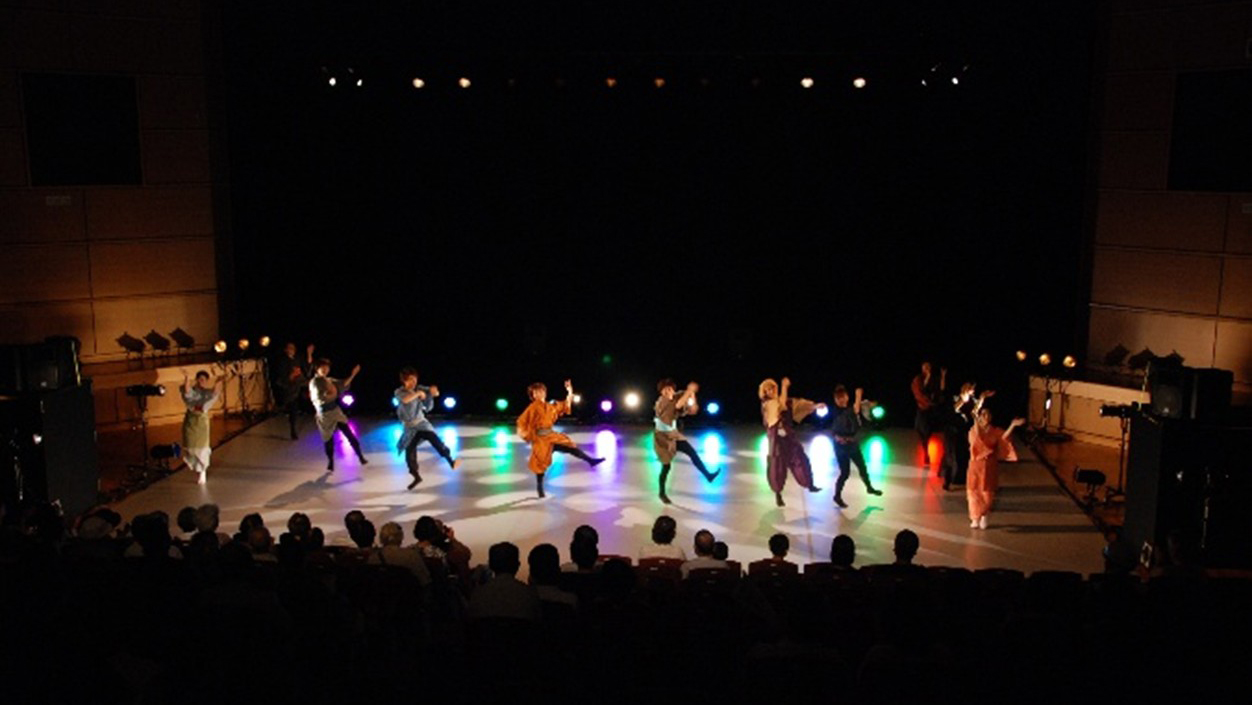
Outreach business
Performing arts that reach out to the local community and deliver vibrant energy.
The image of "outreach programs," also known as "arts promotion activities," is that of reaching out beyond the venues where "performing arts" are performed, such as theaters and halls, and bringing art to society. In Japan, the "Basic Law on Culture and Arts" was enacted in 2001, and the "Law Concerning the Revitalization of Theaters, Concert Halls, etc. (commonly known as the "Theater Law")" was enacted in 2012, but until then, art, including performing arts, was generally viewed in the context of "hobbies." A hobby is something that only those who like it need to enjoy. However, there is a recognition that art has a power that goes beyond a hobby, a power that can enliven society and the people who live in it, and this led to a movement to bring art to society more broadly. So where should we bring it? There are mainly two. One is people who have not had much exposure to art until now. Children are a prime example of this, and the place where children are is school. The other is people who want to experience art but are in an environment where it is difficult to do so. The elderly and people with disabilities are prime examples of this, and the places where they are are nursing homes and welfare facilities. Outreach programs bring "performing arts" to that area.
We also run a project that delivers workshops conducted by professional artists and original works developed by students to elementary schools, nursing homes, and welfare facilities. Through this project, students have the opportunity to learn not only about "self-expression" but also about expressing themselves for the joy of others, a perspective that connects art and society.
Characteristics of the academic group
Open list of subpages
Content of learning
Open list of subpages
Career paths, qualifications, and achievements
Open list of subpages
Student life/environment