Trilingual Truck
Index
What is a trilingual truck?
This language track allows you to choose two foreign languages from English, Chinese, Korean, and Japanese in addition to your first language (mother tongue), with the goal of becoming literally "trilingual."
Our goal is to help you gain a deeper understanding of the international community from three different perspectives and become someone who can contribute to a multicultural society by utilizing multiple foreign languages.
Our goal is to help you gain a deeper understanding of the international community from three different perspectives and become someone who can contribute to a multicultural society by utilizing multiple foreign languages.
POINT

POINT 1
This track is for students who want to learn two languages. You can choose two foreign languages from four options: English, Chinese, Korean, and Japanese.
POINT 2
My goals upon graduation are: English: TOEIC® L&R 600 points, Chinese: HSK Level 4, Korean: TOPIK Level 4, Japanese: N2.

POINT 3
It is possible to choose the trilingual track even from the second year. However, there may be a selection process depending on the languages chosen.
POINT 4
If you meet the requirements, you can take specialized courses in multiple languages.
How to choose a trilingual truck
1. Select at the time of application (before enrollment)
Only combinations that include Korean can be selected as the trilingual track at the time of application.
| First year | Second year |
|---|---|
| Korean | English |
| Korean | Chinese |
2. Transition from the second year (while enrolled; selection process required)
In addition to the language learned in the first year, students can intensively study a second language. Students in the English, Chinese, or Japanese track who wish to switch to the Trilingual Track in their second year or later can apply only if they meet the requirements, and there will be an application review process.
For students whose first language (mother tongue) is Japanese
| First year | 2nd year |
|---|---|
| English | Chinese |
| Chinese | English |
For students whose first language (mother tongue) is not Japanese
| First year | 2nd year |
|---|---|
| English | Japanese |
| Chinese | Japanese |
| Japanese | English |
| Japanese | Chinese |
Graduation requirements (language)
You must meet two of the following language requirements in two languages other than your first language (mother tongue):
| language | Qualifications and Scores |
|---|---|
| English | TOEIC® L&R 600 points |
| Chinese | HSK level 4 |
| Korean | TOPIK Level 4 |
| Japanese | Japanese Language Proficiency Test N2 |
As long as you meet the language requirements for taking specialized subjects (Global Studies subjects, or GS subjects for short), you may take GS subjects in any language.
Requirements for taking Global Studies courses
To enroll in specialized courses taught in a foreign language, you must meet the following language requirements:
| language | Qualifications and Scores |
|---|---|
| English | TOEFL® 61 points or higher TOEIC® 600 points or more IELTS™ 5.5 or higher |
| Chinese | HSK level 5 or higher |
| Korean | TOPIK Level 4 |
| Japanese | Japanese Language Proficiency Test N2 (110 points or higher) |
About the trilingual track including Korean
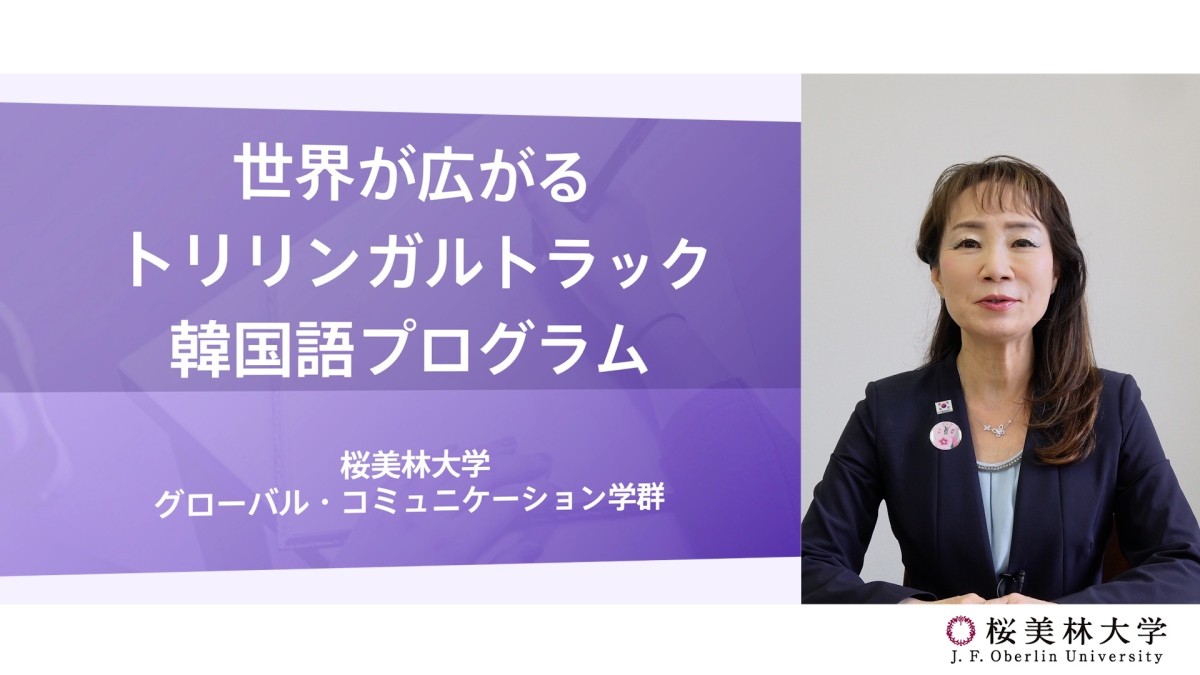
Expand your world with our trilingual track Korean language program.
The flow of learning over four years
| First year | - Completion of basic education courses - Intensive Korean language study (7 subjects per week, direct method lessons) - Summer language training (Konkuk University, South Korea, early to mid-August, approximately 3 weeks) |
|---|---|
| 2nd year | - Intensive study of English or Chinese ・ Start learning Major |
| 3rd year (spring semester) | GC Study Abroad in Korea or GC Study Abroad in an English-speaking country - Taking Global Studies courses |
| Third year (fall semester) | ・GC study abroad in China - Taking Global Studies courses |
| 4th year | - Taking Global Studies courses - Achieving language requirements and graduating |
About Korean language classes
Characteristics of the course
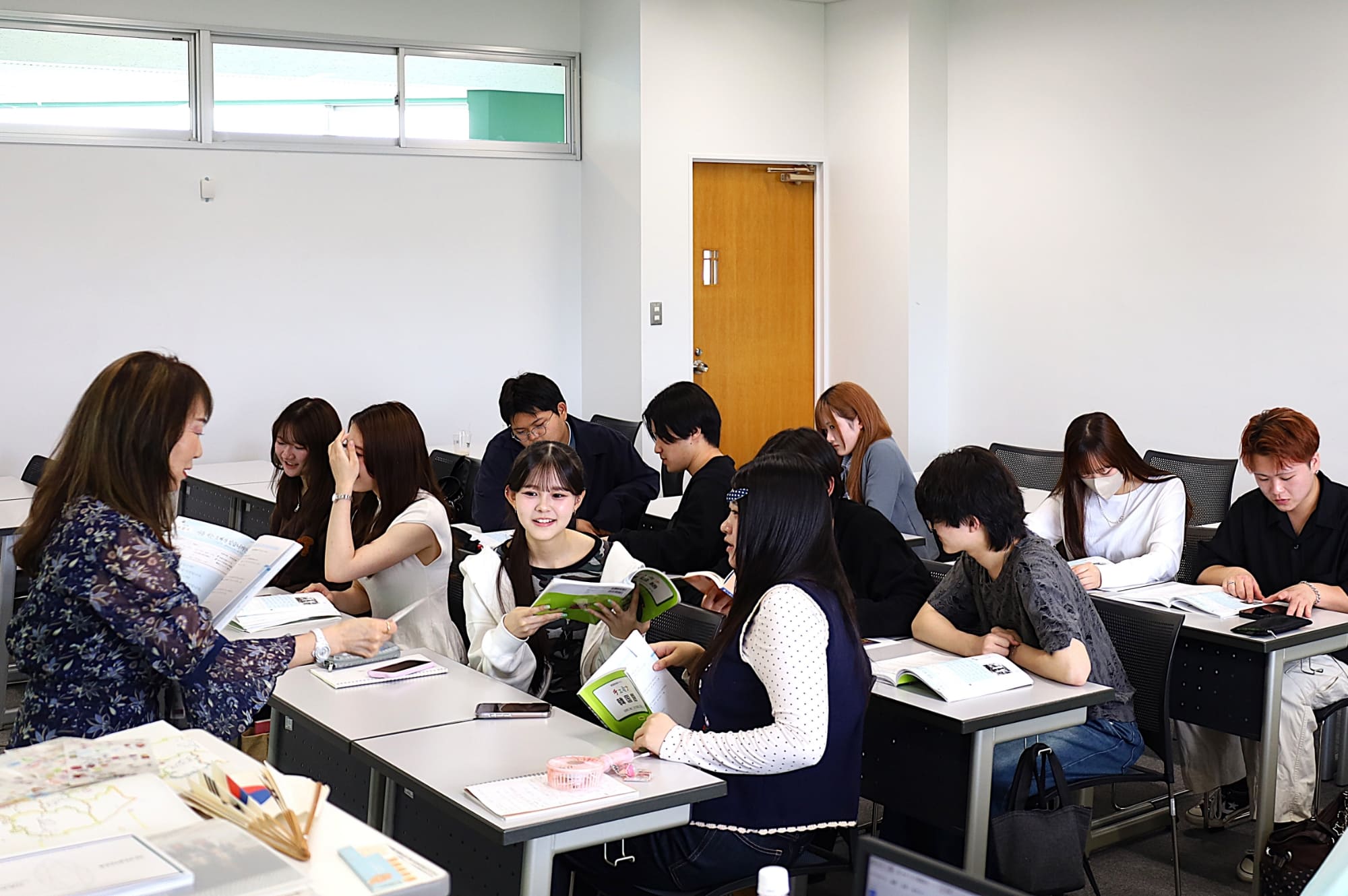
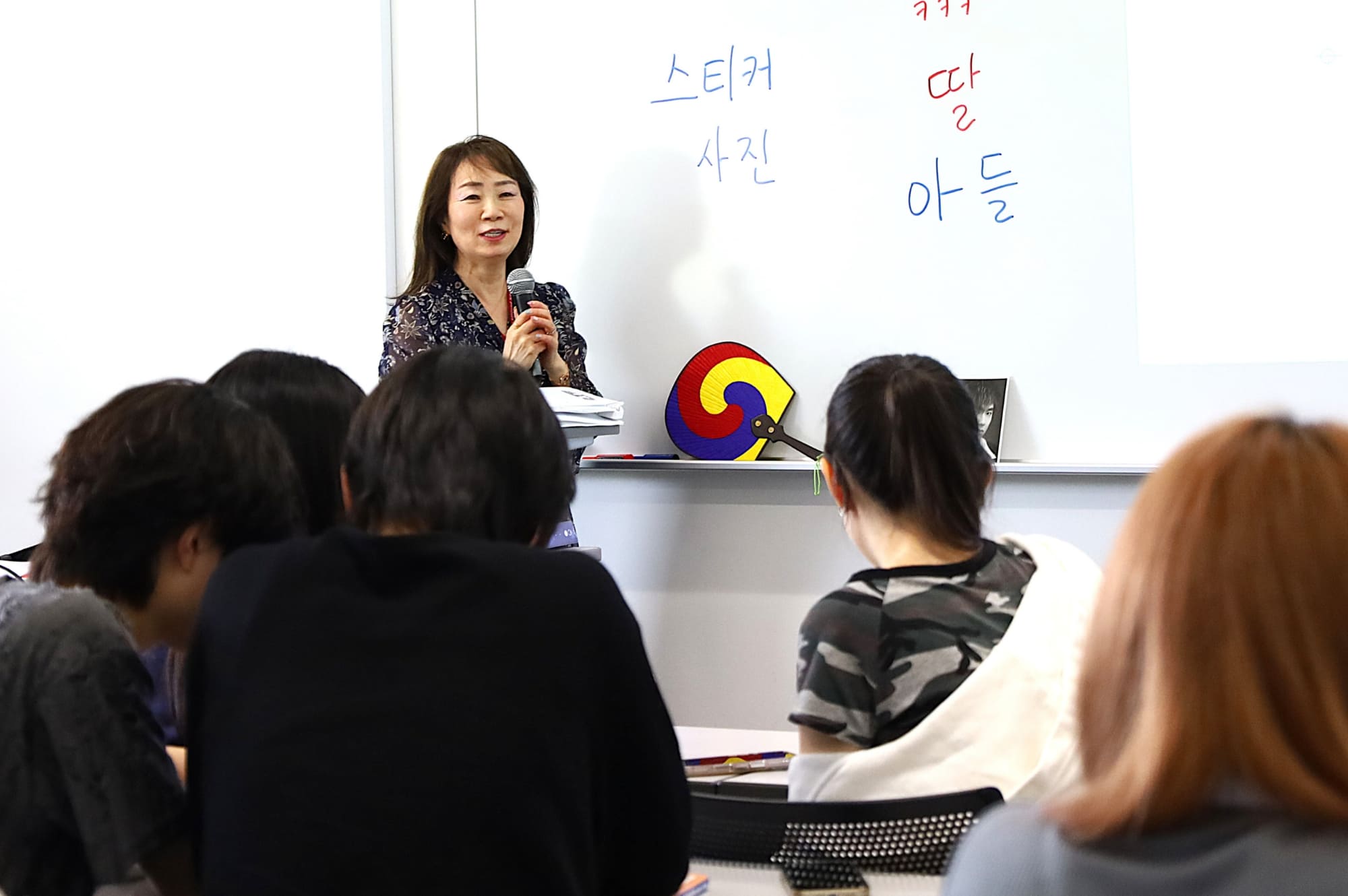
The lessons are conducted using the direct method. Since the lessons are primarily conducted in Korean, you can learn in an environment that feels like you're in Korea, even while in Japan.
There are seven Korean language classes per week. In addition, we provide opportunities for Korean language learners of all levels to interact and learn from each other.
There are seven Korean language classes per week. In addition, we provide opportunities for Korean language learners of all levels to interact and learn from each other.
Goals to achieve at the end of the first year
- Beginner class: TOPIK Level 2
- Intermediate class: TOPIK Level 4 (graduation requirement)
- *Of the TOPIK levels from 1 to 6, level 6 is the most difficult.
Spring Semester Timetable (Example): Beginner Classes
| time limit | Mon | Tue | Wed | Thu | Fri |
|---|---|---|---|---|---|
| 1st period (8:50-10:30) | Comprehensive Korean Language IA (Beginner) | ||||
| 2nd period (10:40-12:20) | Beginner Korean Language Practice (Conversation 1) | Comprehensive Korean Language IB (Beginner) | Comprehensive Korean Language IA (Beginner) | ||
| 3rd period (13:10-14:50) | Comprehensive Korean Language IB (Beginner) | Logic and Communication | |||
| 4th period (15:00-16:40) | Beginner Korean Language Practice (Grammar 1) | Beginner Korean Language Practice (Listening Comprehension 1) |
Textbook used
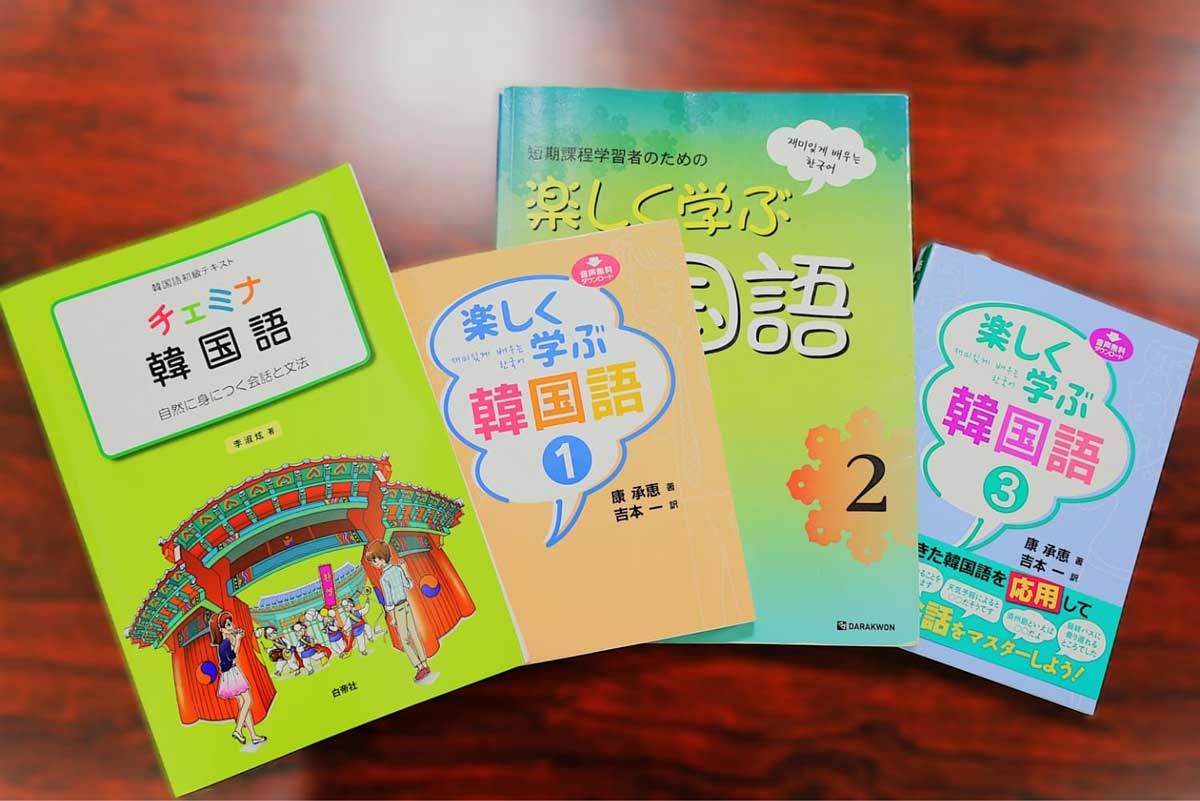
- Comprehensive Korean Language IA: Beginner Korean Language Textbook - Chemina Korean - Naturally Acquiring Conversation and Grammar -
- Comprehensive Korean Language IB: Learn Korean in a Fun Way 1
- Beginner Korean Language Practice (Conversation 1, Grammar 1, Listening Comprehension 1): FAST PASS TOPIK I Practice Test
Spring Semester Timetable (Example): Intermediate Class
| time limit | Mon | Tue | Wed | Thu | Fri |
|---|---|---|---|---|---|
| 1st period (8:50-10:30) | Comprehensive Korean Language IB (Intermediate) |
||||
| 2nd period (10:40-12:20) | Intermediate Korean Language Practice (Conversation 1) |
Comprehensive Korean Language IA (Intermediate) |
|||
| 3rd period (13:10-14:50) | Intermediate Korean Language Practice (Listening comprehension 1) |
Logic and Communication | Intermediate Korean Language Practice (Grammar 1) |
||
| 4th period (15:00-16:40) | Comprehensive Korean Language IB (Intermediate) |
Comprehensive Korean Language IA (Intermediate) |
Textbook used
- Comprehensive Korean Language IA: Learn Korean in a Fun Way 2
- Comprehensive Korean Language IB: Learn Korean in a Fun Way 3
- Intermediate Korean Practice (Conversation 1 & Grammar 1): First Steps to TOPIK II
- Beginner Korean Language Practice (Listening Comprehension 1): TOPIK II Essay Writing Mastery
Study abroad program
Summer language training (South Korea)
| item | Content |
|---|---|
| subject | 1st year (in principle, all participants) |
| season | August (approximately 3 weeks) |
| Study abroad destination | Konkuk University (Seoul) |
| Estimated cost | Approximately 400,000 yen (subject to change) |
| Credits earned | Upon completion of the program, 3-4 credits (tentative) will be awarded for the spring semester. |
GC Study Abroad in Korea
| item | Content |
|---|---|
| subject | Third year (planned) |
| period | 1 semester (approximately 4 months) |
| Study abroad destination | Soongsil University (Seoul) (Planned) |
| Estimated cost | Approximately 600,000 yen (subject to change) |
| Credits earned | Up to 18 credits (language skills subjects) can be awarded upon completion of the prescribed program. |
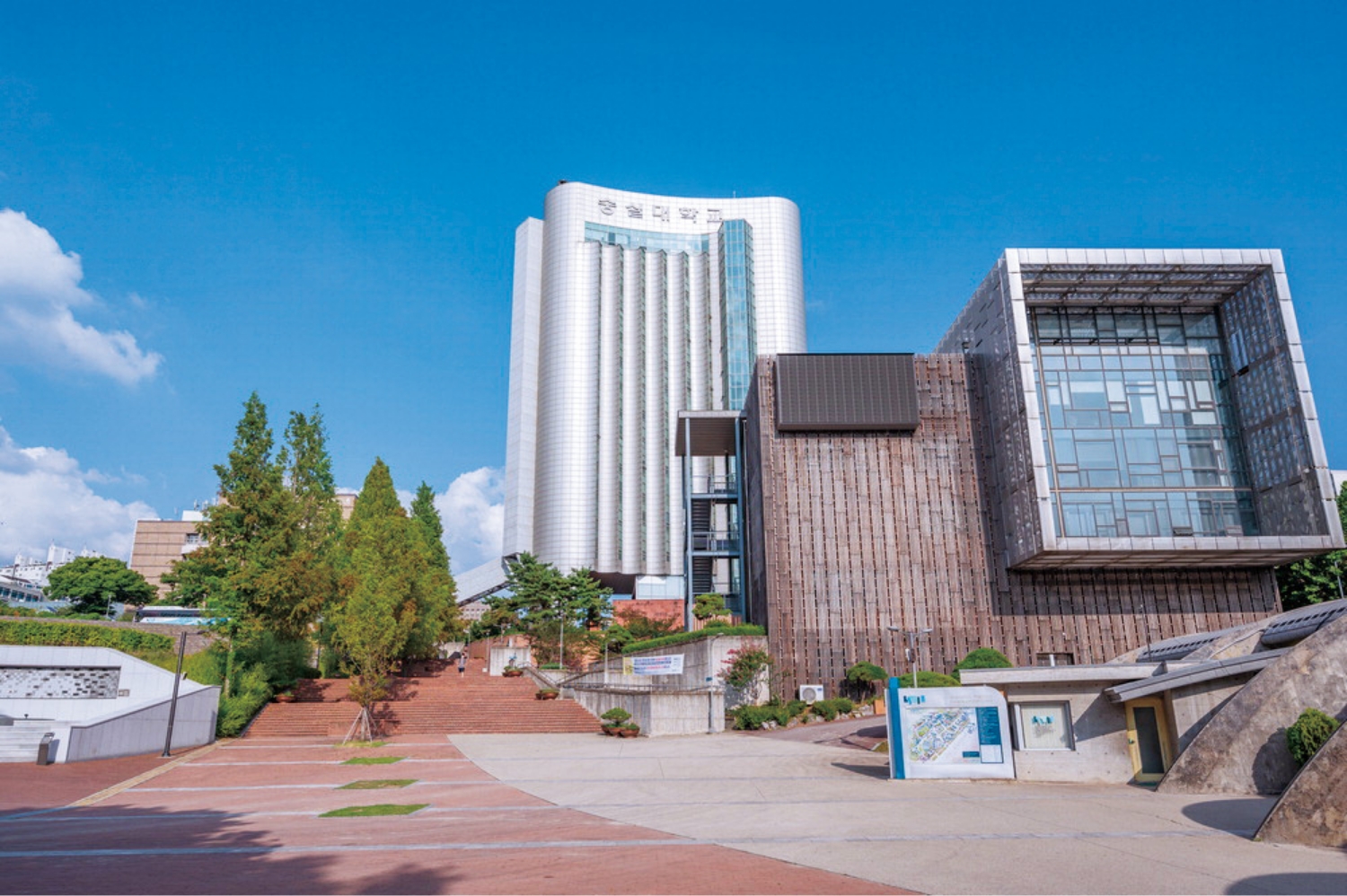
Soongsil University (Seoul) (Planned)
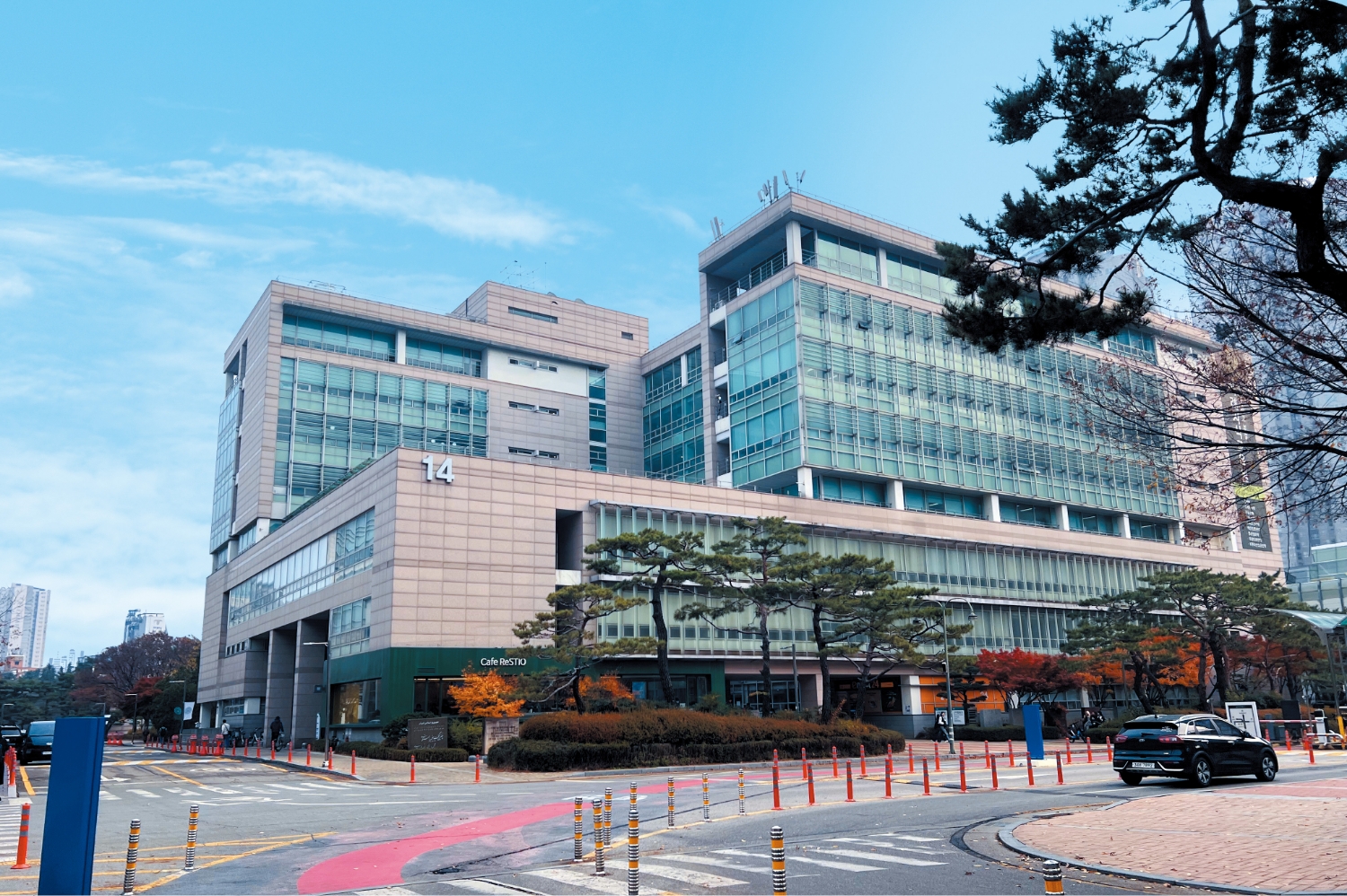
Konkuk University (Seoul)

Characteristics of the academic group
Open list of subpages
Content of learning
Student life/environment
Open list of subpages
Career paths, qualifications, and achievements