Chinese Track
Index
Features of the Chinese Language Program
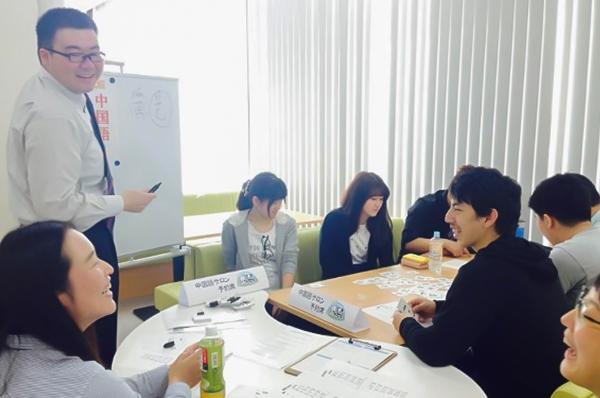
The Chinese language track offers a curriculum that leverages Obirin University's more than half-century of experience in Chinese language education. It utilizes the "direct method," where native speakers teach Chinese in Chinese. "The direct method is all about speaking to improve. Our instructors strive daily to create a fun atmosphere where students can speak freely without fear of making mistakes," says a native speaker instructor. Even beginners will feel a noticeable improvement after three months.
As part of extracurricular learning, we have introduced a "Chinese Immersion Journey" where students complete communication assignments in Chinese. Students make appointments with teachers in advance outside of class time. Beginners (HSK Level 3 and below) mainly converse on themes related to their daily studies, such as greetings, counting objects, and expressing places, while intermediate students (HSK Level 4 and above) choose to converse on more practical topics used in situations such as shopping, hospitals, and airports. The aim is to develop practical skills through Chinese language learning that goes beyond classroom lectures. This content will be reflected in the grades for courses in the Chinese language track for first and second-year students.
Language test scores required for taking specialized courses
From the second year, students will take specialized subjects (Global Studies subjects). The required language test scores for taking specialized subjects taught in Chinese are as follows. You will study specialized subjects in Chinese and enhance your expertise.
Chinese Track
- HSK 5級以上
*Of the levels from 1 to 6, level 6 is the most difficult.
Class Featured
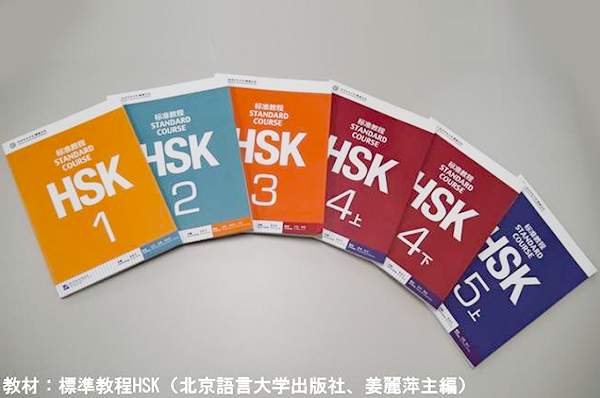
Special training course: "Direct Method"
The "Direct Method" classes in the Chinese language intensive course consist of 12 sessions per week in the first year and 8 sessions per week in the spring semester of the second year. The main textbook used is the "Standard Course for HSK" published by Beijing Language and Culture University Press, a highly authoritative textbook even in mainland China. By using this textbook and the accompanying workbook, you will naturally acquire the Chinese language skills necessary to pass the HSK exam.
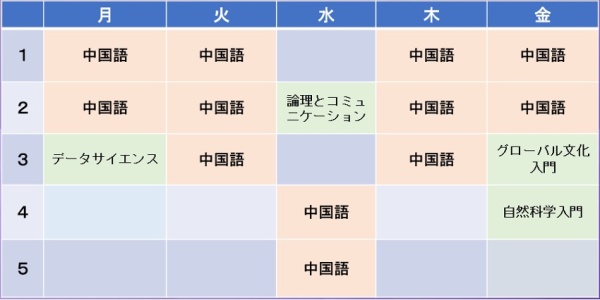
About the timetable
A sample first-year timetable is as follows: Students take two to three Chinese language classes every day, immersing themselves in the language and rapidly improving their language skills. By intensively studying Chinese in the beginner class, which is for those starting to learn Chinese at university, almost all students pass the HSK Level 4 exam held in December of their first year. Furthermore, they aim to obtain Level 5 in July of their second year.
Out-of-class learning support and presentation of results
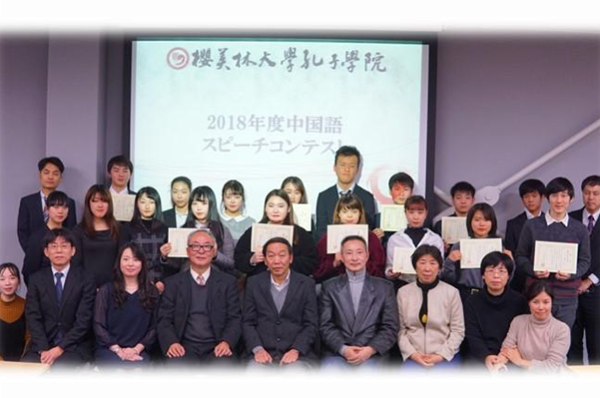
While enrolled, you can participate in various Events related to Chinese culture organized by the Confucius Institute, learning Chinese from perspectives different from classroom lessons. For example, there are Chinese language salons, short-term summer study abroad in China, J. F. Oberlin University Chinese speech contests, Spring Festival celebrations and China exhibitions, and the "Chinese Language Bridge" World University Chinese Contest East Japan regional qualifiers. There are many opportunities for students in the Chinese track to participate, serve as main hosts, and more.
At the "Chinese Bridge" Chinese Language Contest East Japan Regional Competition, students from the Chinese language track have participated and won first prize in 2018, 2020, and 2021. The first-prize winners advance to the final competition held in China in the summer, where they interact with university students from over 100 countries.
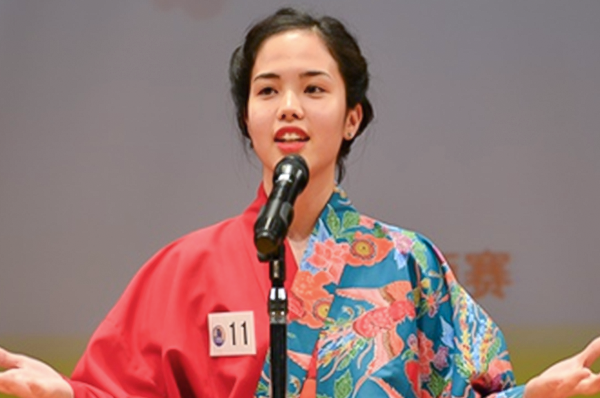
Karen Yagi
2018 17th "Chinese Bridge" World University Student Chinese Language Contest East Japan Regional Qualifying Tournament
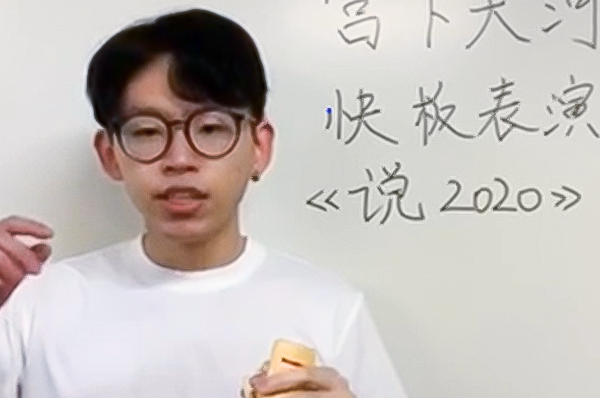
Taiga Miyashita
2020 19th "Chinese Bridge" World University Student Chinese Language Contest East Japan Regional Qualifying Tournament
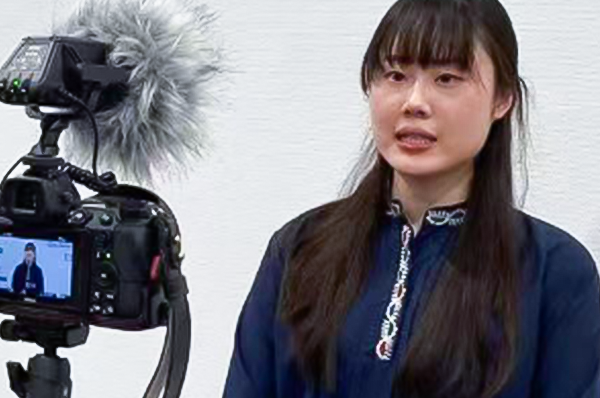
Takami Takakura
2021 20th "Chinese Bridge" World University Student Chinese Language Contest East Japan Regional Qualifying Tournament
Characteristics of the academic group
Open list of subpages
Content of learning
Student life/environment
Open list of subpages
Career paths, qualifications, and achievements