Integrated Area / Science Communication Program
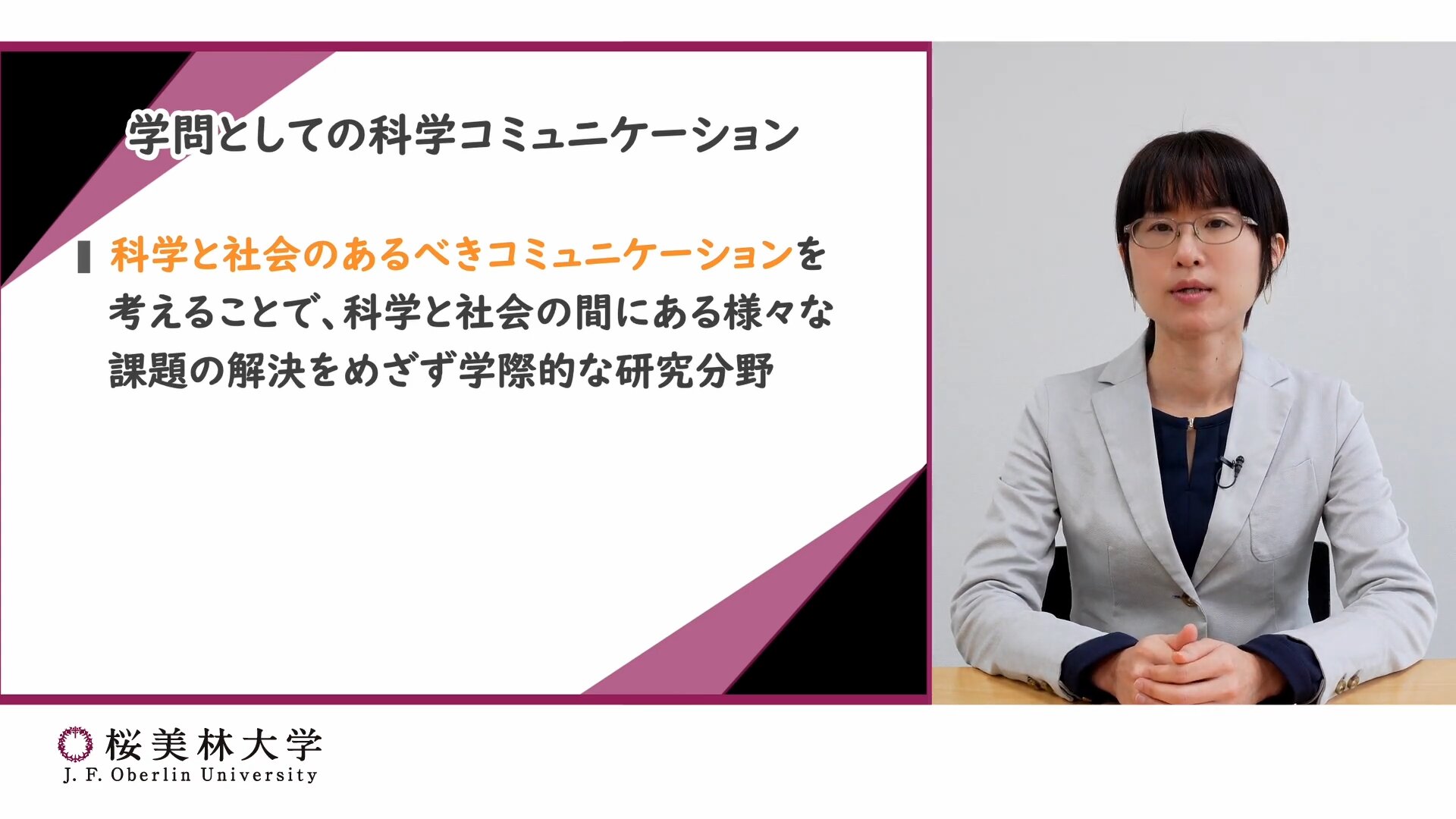
Program Overview
AI, cosmetics, environmental technology, infectious disease control… Science is deeply intertwined with our lives, yet its impact is surprisingly little known. This program aims to cultivate the "ability to connect science and society" that is essential in modern society by learning about the fascinating aspects of science, its impact on society, and methods of communication from both science and humanities perspectives.
Class Featured
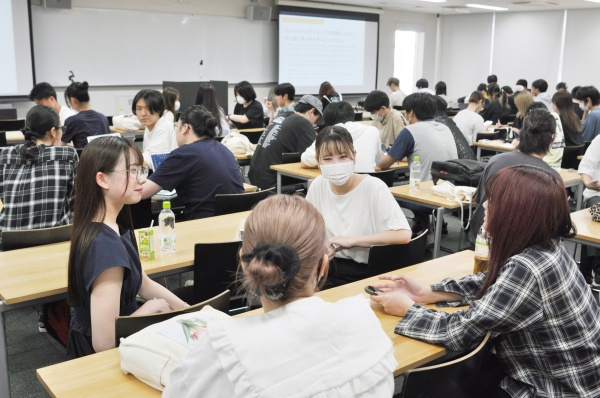
Introduction to scientific theory
The philosophy of science is the study of "science" from philosophical, historical, and social science perspectives. In the course, we combine lectures and group work to compare practical knowledge with scientific knowledge, consider the differences between scientific illustration and art, learn about the influence of gender issues on science, and explore the deep connection between science and war/politics. Through these explorations, we consider what "science" truly is from a humanities and social perspective. There are no calculations or memorization required, making it an accessible introductory course for students regardless of their academic background (humanities or science).
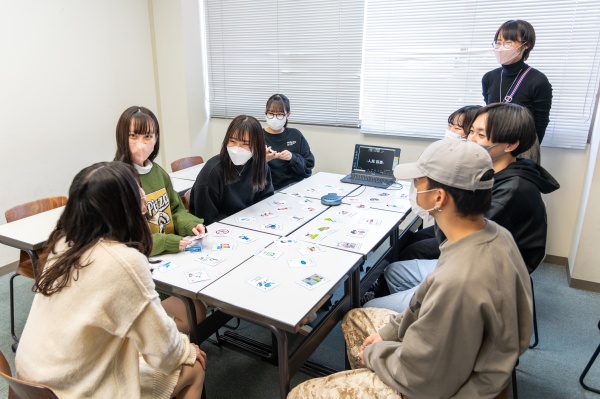
Science Communication Seminar (Specialized Seminar I & II)
This seminar focuses on the themes of science and society, involving group reading, analysis, and practical application. Students will analyze science communication case studies that interest them, such as scientific media coverage and scientific expression techniques using comics. If desired, they will also conduct their own science communication activities, such as workshops or creative projects, and report on their experiences. Through this seminar, students will develop the ability to identify and solve various issues related to science and society, while also cultivating analytical, planning, and presentation skills.
Other classes and subjects
Introduction to the Philosophy of Science / Science, Technology, and Society A, B / History of Science and Technology / Introduction to the Philosophy of Science / Science and Technology Communication A, B / Special Topics in Science, Technology, and Society / Western Philosophy and Intellectual History A, B, C / Contemporary Society Studies A / Mechanics I / Inorganic Chemistry I / Botany A / Global Environmental Survey Methods / Applied Ethics Studies / Contemporary Communication Theory / Intercultural Communication B / Media Communication / Museum Information and Media Studies / Environment and Media / Global Environmental Issues and International Initiatives / Environmental Risk Theory / Food Safety Theory / Chemistry and Human Society / Information and Society, etc.
How seniors learned

Science Communication Program & Law and Politics Program
Learn about the social challenges that arise with the advancement of science.
Chika Sasaki
I originally planned to become a police officer, so I intended to make the Law and Politics program my minor. I hadn't even heard of the Science Communication program, but in my first year, through an Introduction to Science course, I started thinking about how to deal with everyday problems such as accidents and incidents that arise from the development of science and technology. That experience made me want to think about and learn about more immediate social issues, so I chose the Science Communication program as my major. After graduation, I want to become someone who can look at everyday problems from diverse perspectives and contribute to problem-solving.
Characteristics of the academic group
Open list of subpages
Content of learning
Open list of subpages
Career paths, qualifications, and achievements