Integrated Area / Regional Design Program
Program Overview
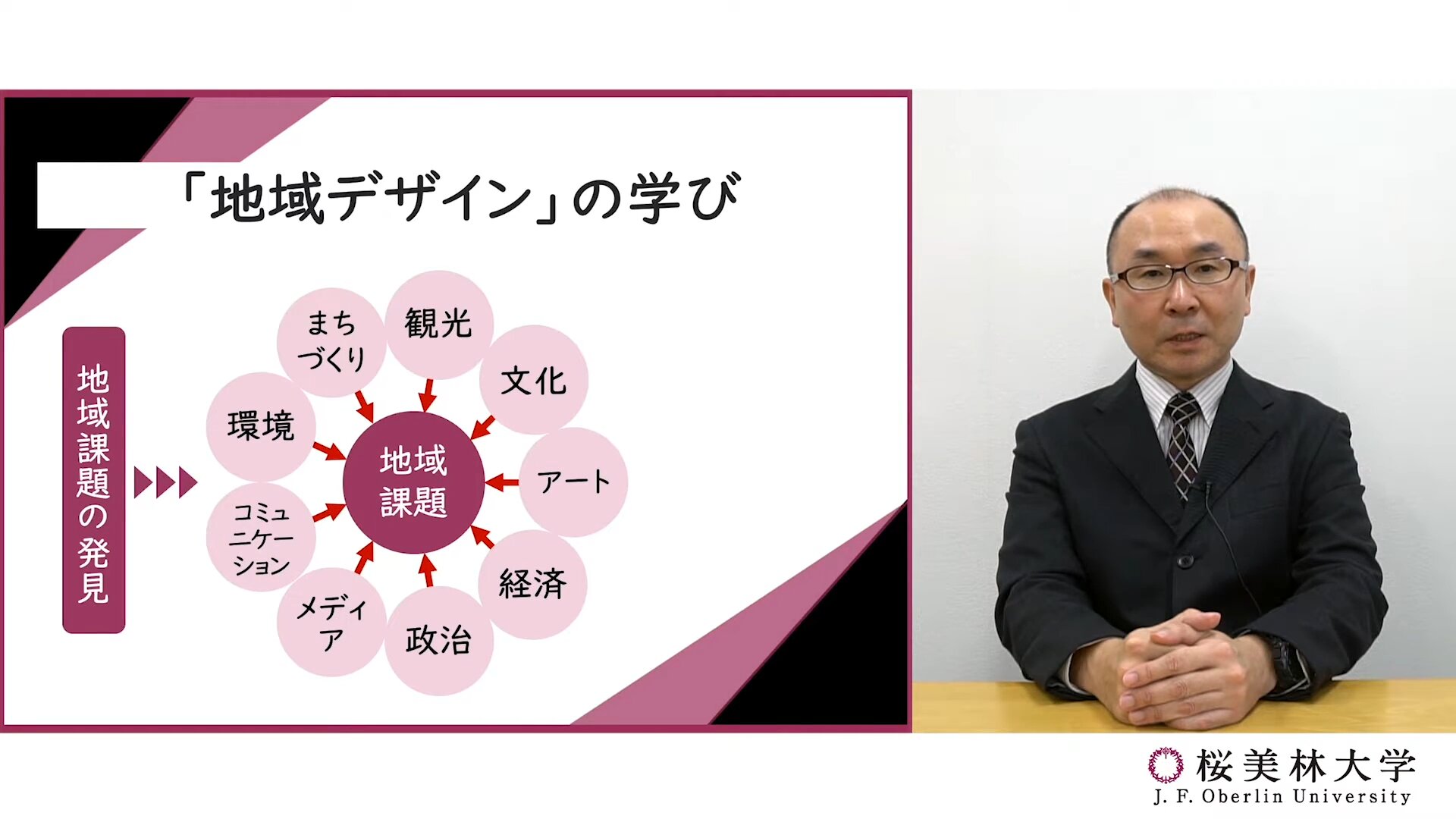
With the declining birthrate and aging population, and the arrival of a truly shrinking society, the challenges facing local communities are becoming more diverse and complex. The Regional Design Program aims to cultivate individuals who can acquire a wide range of knowledge and specialized skills related to community and urban development, and who can demonstrate leadership in local communities.
Class Featured
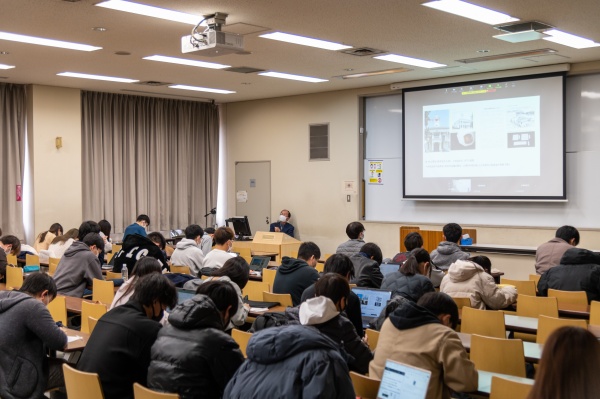
Introduction to Regional Design
"Local communities" are the fundamental foundation for people's lives. This course explores how to utilize the origins and history of local communities to promote sustainable regional development. Furthermore, it aims to deepen understanding of "regional design," a framework for examining regional characteristics, and equip participants with the knowledge necessary to proactively engage in regional development in the future.
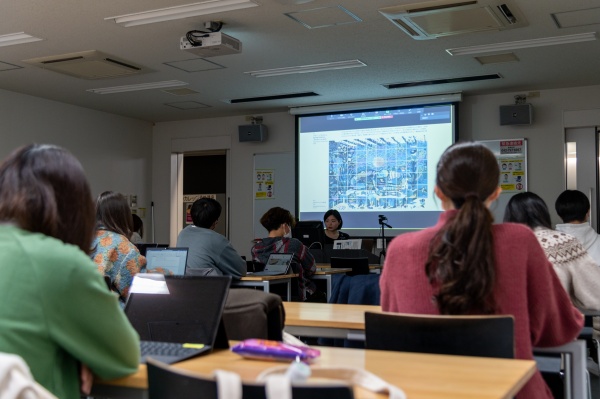
Community art
Is art something that exists only in museums? Does human expression exist in isolation within the individual? What people express cannot be separated from the times, the place they live, mainstream viewpoints, and politics. It is important to consider society and local communities through the lens of art.
Therefore, in this class, we will introduce various examples from the perspective of art in society, including its history, initiatives overseas, avant-garde art, and practices in museums.
Other classes and subjects
Introduction to Regional Design / Regional Tourism / Tourism Anthropology / Environment and Region / Regional Sociology A & B / Environmental Sociology B / Cultural Heritage Studies / Cultural Policy Studies / Japanese Archaeology / Japanese Folklore / Cultural Geography / Community Art / Public Anthropology / Environment and Urban Development / Environmental Ethics / Regional Economics / Public Economics / Multicultural Society Studies / Environmental NPOs & NGOs / Information Design Theory / Leadership Communication / Social Research Methods A (Qualitative Research) / Social Research Methods B (Quantitative Research) / Social Business Internship / Cultural Anthropology Fieldwork / International Cooperation Fieldwork (Japan), etc.
How seniors learned

Regional Design : Communication studies & Museum studies
Connecting communities and people through learning to shape your future career.
Akira Sakakibara
When I entered university, I hadn't decided what I wanted to do, but because it was close to my interests, I started studying to obtain a museum curator qualification from my first year. While taking museum studies lectures and working part-time at JA (Japan Agricultural Cooperatives) and science museums, I came to want to do work that directly supports the community in the future, so I chose the Regional Design program as my major and the Museum Studies program as my minor. Also, because I want to value my interactions with local people and connections with staff who are responsible for community and urban development, I wanted to properly learn communication methods, so I also chose the Communication Studies program as a double minor. I believe that what I learn in these programs will be useful no matter what profession I pursue in the future, as it deepens my knowledge while connecting with diverse fields.
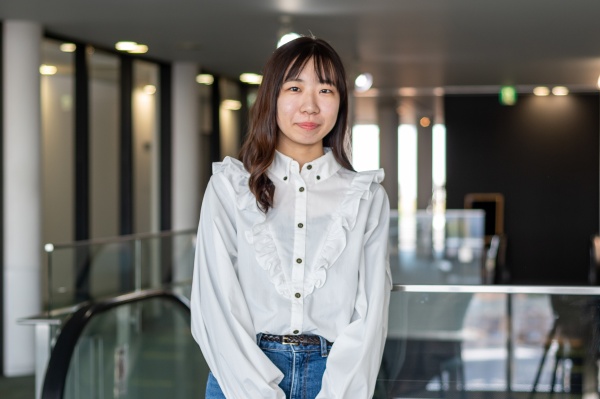
Regional Design : Sociology & Economics
Learn about community development and tourism and give back to your local community.
Yu Mezaki
Leaving my hometown to attend university made me more aware of my local community. While I took my surroundings for granted before leaving, it was only after being away that I realized its importance and charm. This led me to want to learn about community development and regional tourism, and to think more deeply about my community, which is why I chose this program. Furthermore, because a community is comprised of various elements, I have chosen sociology and economics as my majors, hoping to consider my community from multiple perspectives. In the future, I hope to return to my hometown and contribute to community development and regional revitalization.
Characteristics of the academic group
Open list of subpages
Content of learning
Open list of subpages
Career paths, qualifications, and achievements