Integrated Area / Japanese Studies Program
Program Overview
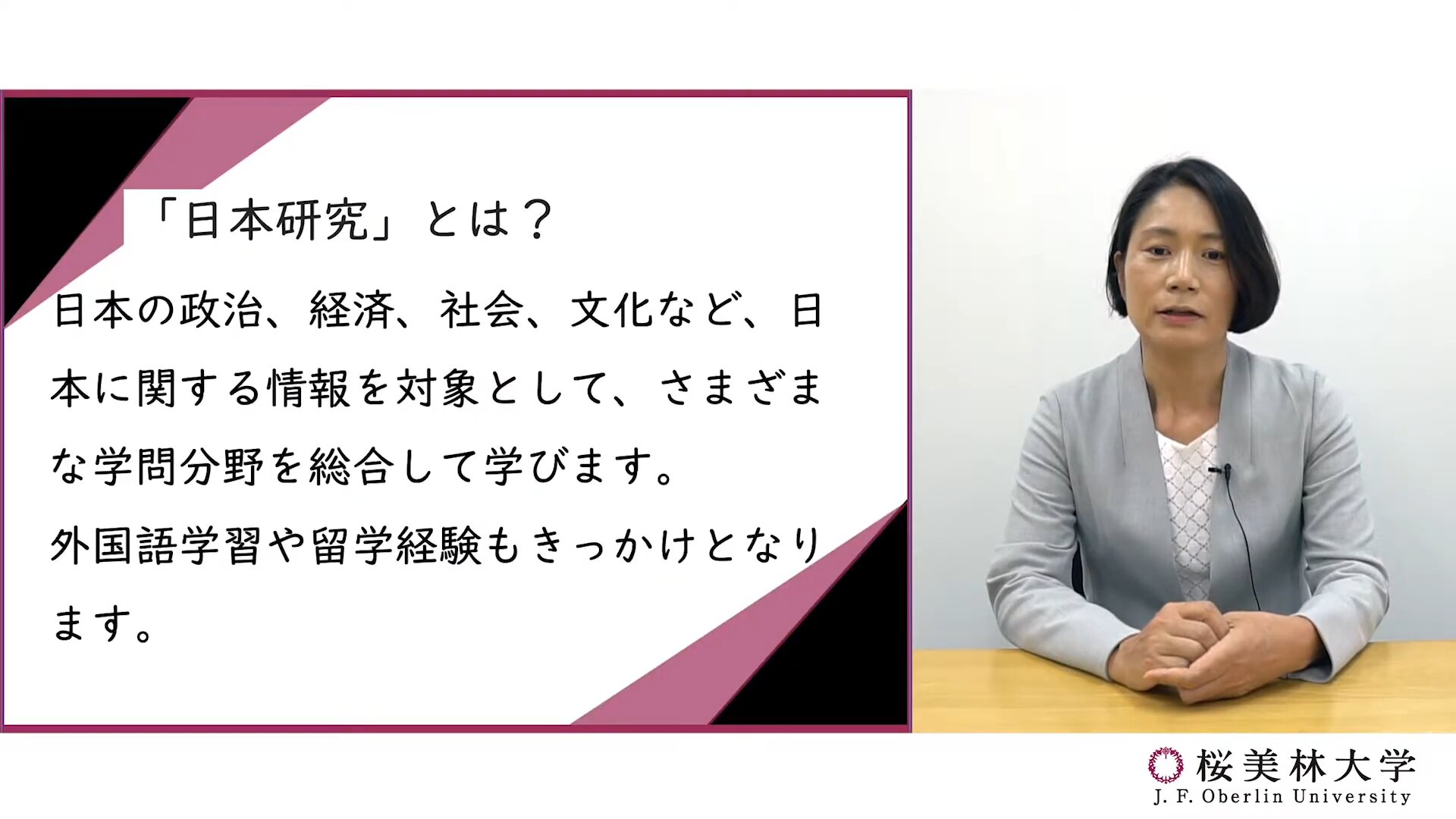
What kind of country is Japan? Good public safety, diligence, long working hours, gender gap—the keywords surrounding Japan are diverse. Let's reconsider, from a critical perspective, the things we, as residents of Japan, often take for granted. In Japanese studies, we re-examine Japan using methods from history, sociology, geography, and cultural anthropology, and explore ways to collaborate so that our knowledge and experience can contribute to the international community.
Class Featured
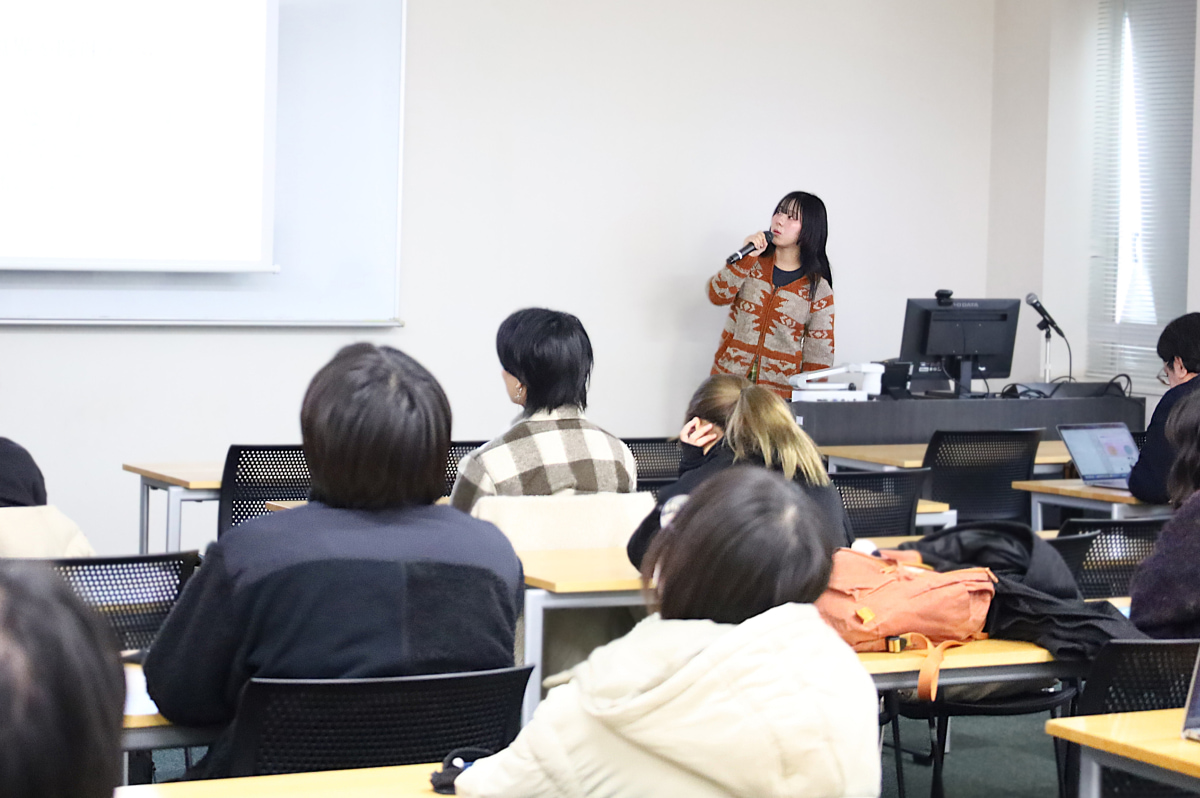
Special Lecture on Media (Contemporary Manga and Anime)
Manga and anime now hold significant importance as forms of expression that closely touch upon the essence of our lives and society. In this class, we will not only appreciate these works, but also cultivate the ability to think for ourselves about "why they are interesting" and "what interestingness fundamentally is," and to articulate and share these thoughts with others. Through the process of critiquing works, understanding and expressing values, and supporting classmates' presentations, students will learn the significance and enjoyment of discussing with others and acquire a multifaceted perspective on manga and anime.
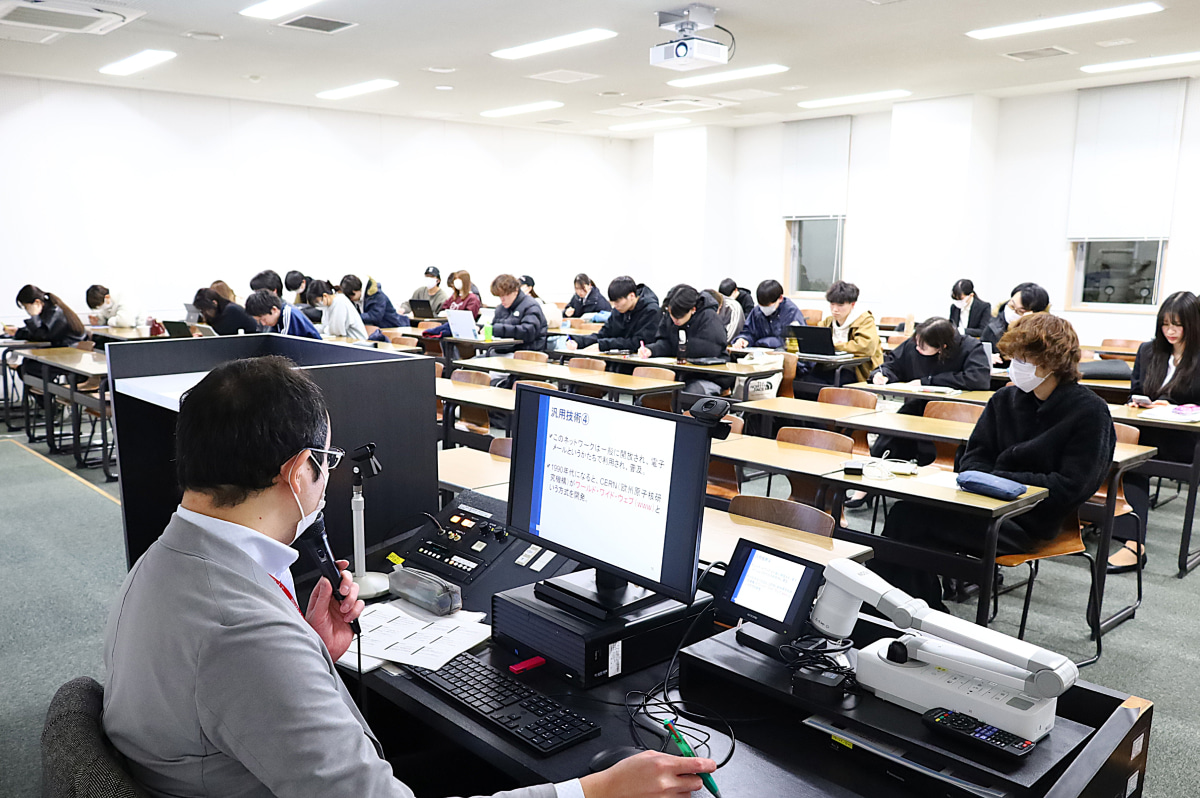
Japanese technology and industry
This course explores how Japanese technology and industry have been shaped. From the encounter with Western technology in the late Edo period, through post-war reconstruction, the construction of Tokyo Tower and the Seto Ohashi Bridge, the development of domestically produced passenger aircraft and computers, the Japan-U.S. trade friction, and finally to nuclear power and economic security, we will trace Japan's dynamic journey. Focusing not only on successes but also on trial and error and failures, we will learn about the path that led Japan to become known as a "technological superpower" and together consider the future of Japan.
Other classes and subjects
Introduction to Japanese Studies / Cultural Geography / History and Methods of Cultural Anthropology / Comparative Sociology A / Cultural Sociology A (B) / Japanese Archaeology / Japanese Folklore / Japanese History (IA, IB, IIA, IIB) / Politics and Diplomacy in Modern Japan / Politics in Contemporary Japan I (II) / Japanese Economics / Japanese Technology and Industry / Regional Sociology A / Special Lecture on Media (Contemporary Manga and Anime) / Japanese Journalism / Japanese Culture from a Linguistic Perspective / Japanese Art Theory / The World of Heian Literature / Learning about the Environment from the Edo Period / Multicultural Society Theory / Diversity of the Japanese Language and Society / Science, Technology, and Society A (B) / Global Civil Society Theory / International Development Theory / International Politics / International Economics / Regional Tourism Theory / International Communication / International Fieldwork (Japan), etc.
How seniors learned
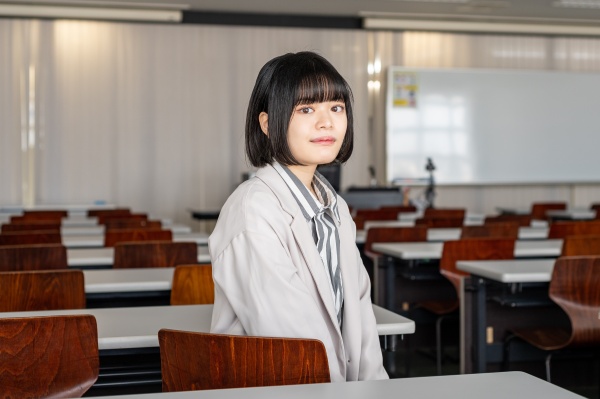
Japanese studies & cultural anthropology
From understanding local culture to taking on challenges in the tourism industry
Karin Shindo
When I was in my third year of high school, I researched "micro-tourism," a concept advocated by Hoshino Resorts during the COVID-19 pandemic. Micro-tourism involves rediscovering the charm of a local area through sightseeing within that region. There are many nature-rich tourist destinations near Tokyo, such as Okutama and Ome. I wanted to understand the culture close to me, so I majored in Japanese Studies and minored in Cultural Anthropology. I want to work in the tourism industry in the future and am also interested in the trends of foreign visitors to Japan. Both are broad academic fields, but they allow me to study the subject from various angles. The class I'm currently taking that I find very interesting is "Modern Japanese Politics and Diplomacy."
Characteristics of the academic group
Open list of subpages
Content of learning
Open list of subpages
Career paths, qualifications, and achievements