Integrated Area / International Cooperation Program
Program Overview
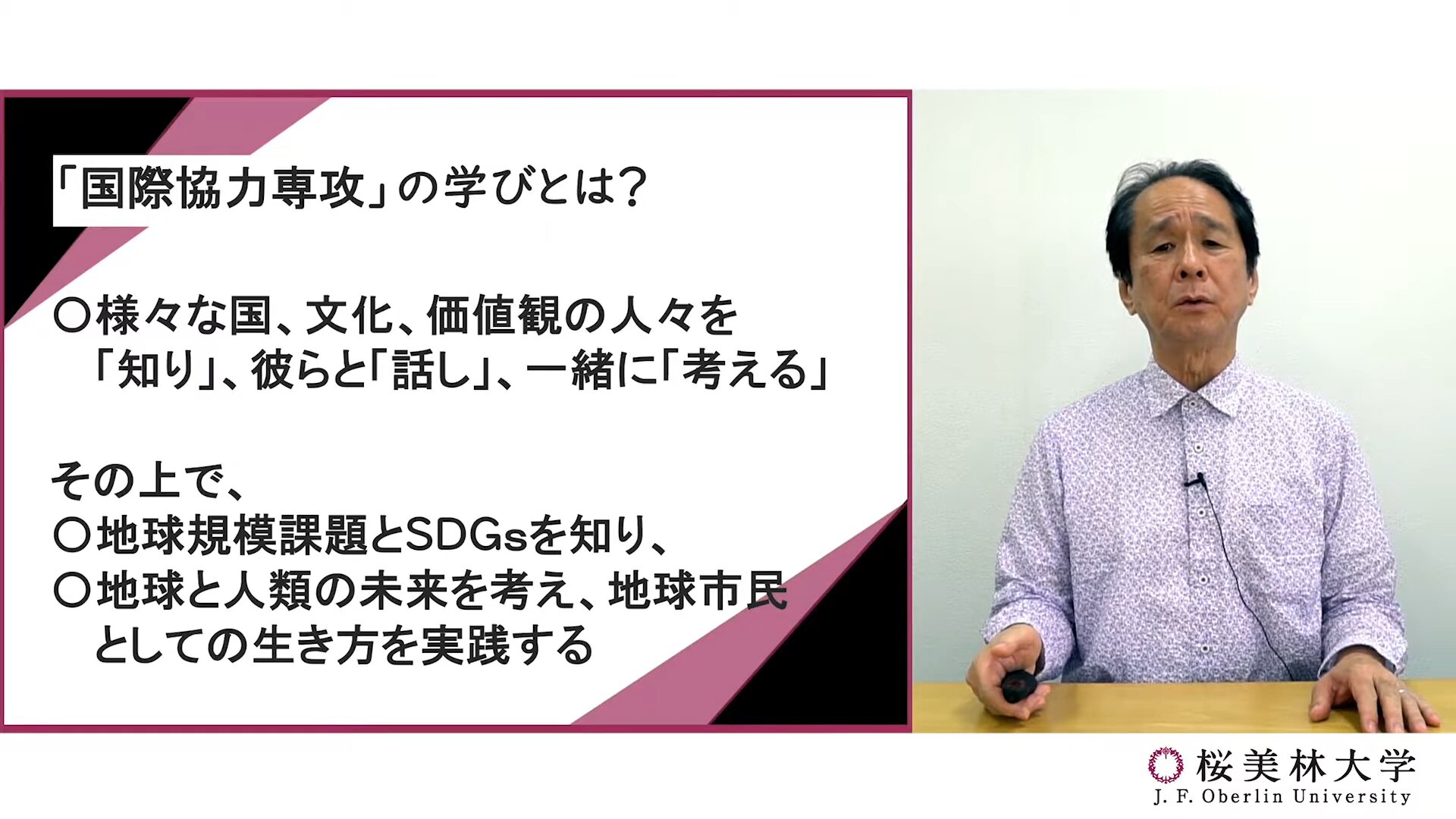
The importance of global challenges, symbolized by the SDGs, is increasing. Issues such as infectious disease outbreaks (COVID-19), global warming (extreme weather), poverty (even in developed countries), gender issues (Japan is a country with significant gender discrimination), and immigration/refugee problems are becoming more serious. This program aims to teach about the current state of global challenges and the efforts being made to address them, and to consider solutions. Emphasis is placed on practical exercises, with the goal of developing global citizens who can see, feel, think, and act for themselves.
Class Featured
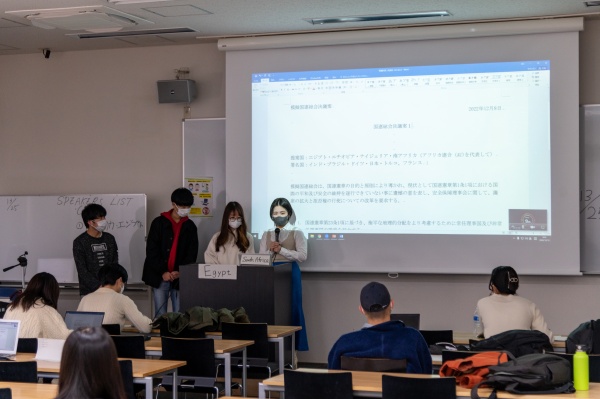
Model United Nations
Model United Nations (MODEL UN) originally involved high school and university students representing UN member states and simulating deliberations on topics actually being discussed at the UN General Assembly and other venues. This activity is also carried out both in Japan and globally. J. F. Oberlin University also aims to learn multilateral diplomacy and international issues more proactively through the Model United Nations.
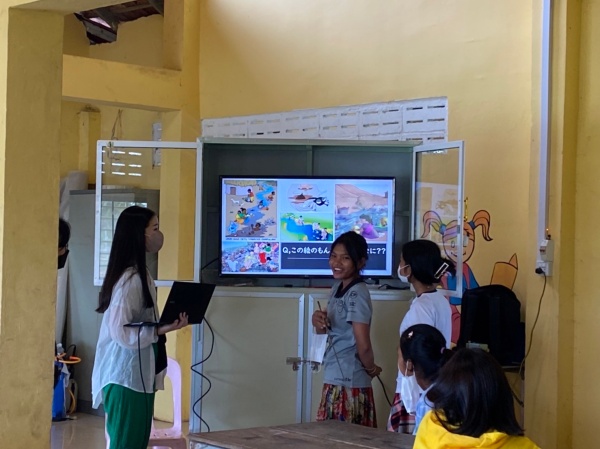
Specialized Seminar
The major seminars are conducted by three faculty members from the International Cooperation Program, each with different content. In the spring semester, students engage in group readings and discussions of specialized books to gain knowledge in their fields, while in the fall semester, students individually choose their own topics and write seminar papers. Misako Takizawa specializes in international organizations such as the United Nations, and Ikuko Satou specializes in international law concerning the human rights of migrants and refugees. Dr. Toichi Makita specializes in international support centered on children and gender issues. Professor Makita's major seminar is a service learning course, and as a seminar project, he also carries out support activities at orphanages in Cambodia and other places.
Other classes and subjects
International Law A / International Law B / International Human Rights Law / International Organizations / International Development / Human Development / SDGs and Global Governance / Global Civil Society / Children and Development / Gender and Development / Human Security / Model United Nations / Peacebuilding / Sustainable Society / Multicultural Society / Immigration Law / Refugee Law / International Cooperation Fieldwork (Philippines) / International Cooperation Fieldwork (India) / International Cooperation Fieldwork (Japan) / Social Business Internship / International Cooperation Internship A / International Cooperation Internship B, etc.
How seniors learned
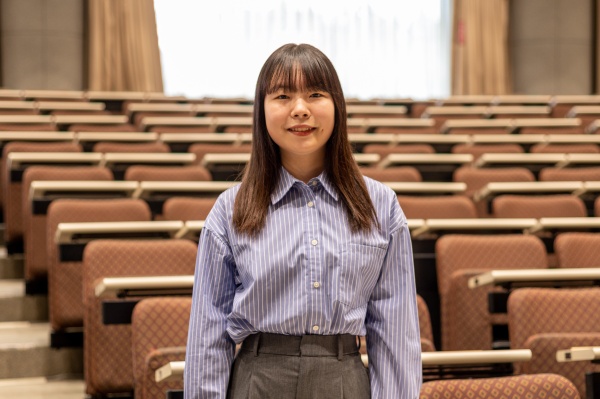
International Cooperation : Law/Politics & Environmental Studies
Protecting the future of children and women
Natsuki Yamada
My reason for aspiring to work in international cooperation is that I want to learn, understand, and act through support activities and other means to create a society where vulnerable groups such as children, women, immigrants, and refugees are not labeled as vulnerable. My minor is law and political science, and my sub-minor is environmental studies. I want to study international cooperation in conjunction with law and politics, as well as incorporate environmental studies to aim for a sustainable society.
Characteristics of the academic group
Open list of subpages
Content of learning
Open list of subpages
Career paths, qualifications, and achievements