Social Area / Education Program
Program Overview
Educational studies examine human growth and development from the perspective of education, a universal and historical phenomenon, and investigate how the act of education relates to and influences individuals and society. This program covers the essence of education, educational philosophy, the history of education, school education, and comparative studies of educational structures in various countries. This program does not grant a teaching license. To obtain a teaching license, separate registration in a teacher training program is required.
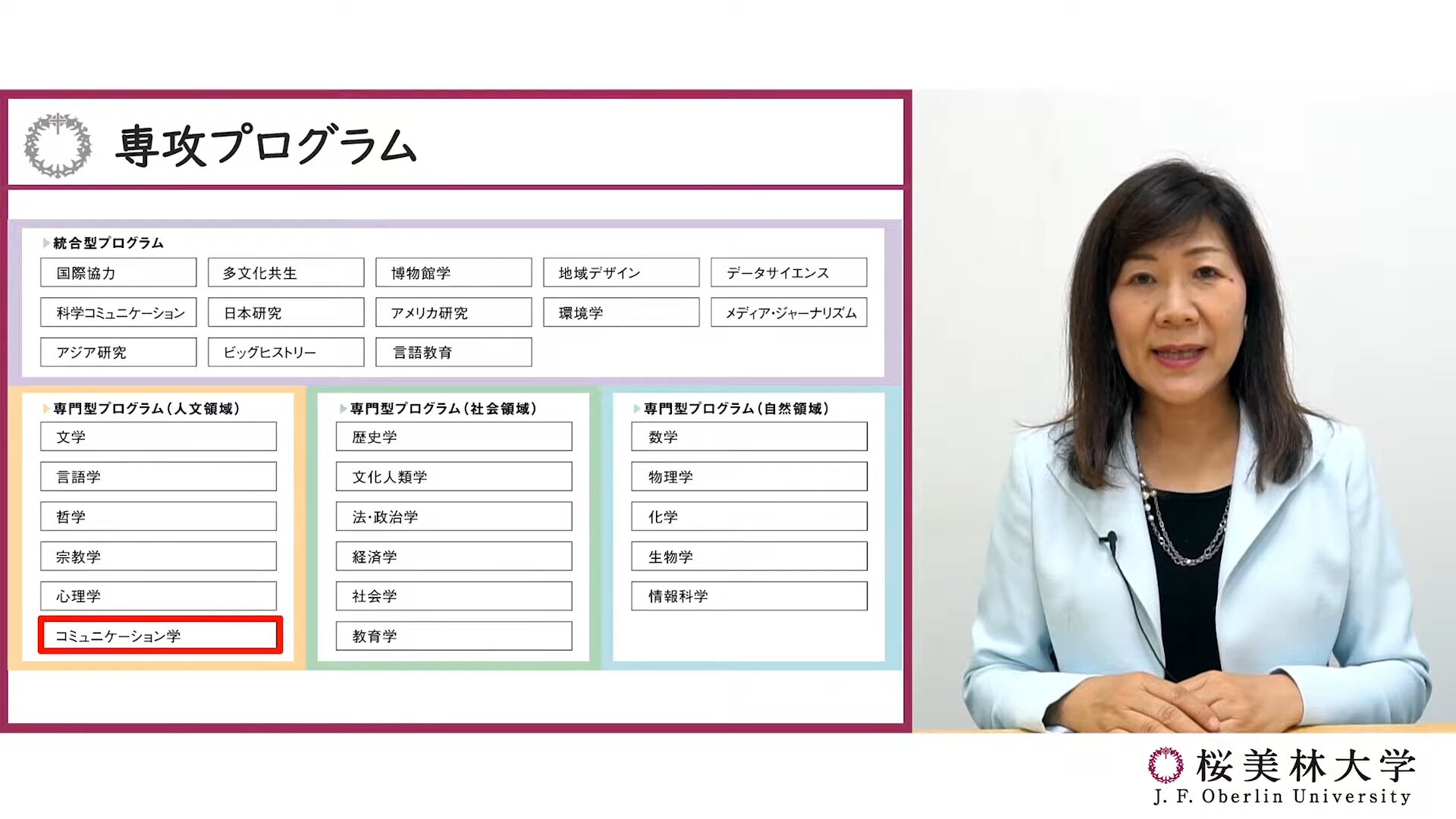
Class Featured
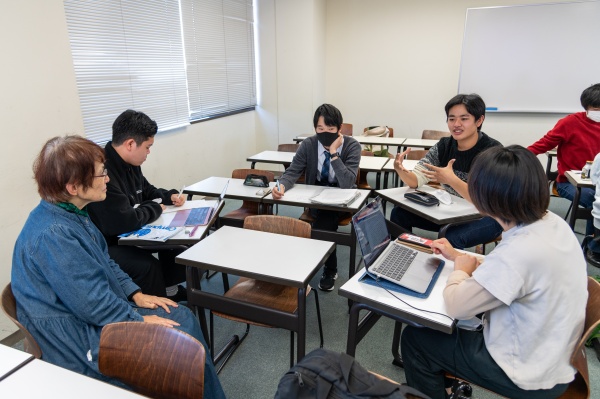
educational philosophy
The course begins with the question, "What is education?", and after examining the historical evolution of the concepts of "education" and "children," it focuses on seven Western modern educational thinkers—Comenius, Locke, Rousseau, Pestalozzi, Mann, Dewey, and Steiner—each receiving one lesson. Students are assigned a short report (approximately 1000 words) discussing "the problems of modern education" and a report (approximately 3000 words) on reading all volumes of Rousseau's *Emile*, with opportunities for group discussions to deepen the discussion on each topic.
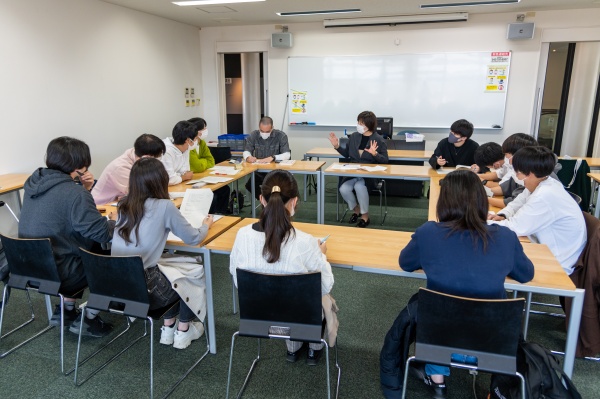
Seminar in Education
This seminar examines education from a historical perspective. Because education is intertwined with various aspects of our lives, the research topics chosen by the seminar students are diverse. For example, some students study educational inequality, gender, sex education, and Christian girls' schools. Based on these themes, each student researches, analyzes, and discusses historical events. In the spring semester, we read and discuss texts on a common theme, and in the fall semester, students write seminar papers based on their individually chosen themes.
Other classes and subjects
Educational philosophy / Introduction to teaching / Educational philosophy / Western educational history / Japanese educational history / Comparative education / Christianity and education / Family and education / Education and culture in modern Asia / Reading and rich humanity / Use of information media, etc.
How seniors learned

Psychology & Education
Spreading new education through your own efforts
Yuya Takada
I chose education studies because I wanted to be involved with future educators. When I was in high school, I attended N High School, a correspondence high school. There, I had the experience of being exposed to new forms of education. I believe that many people will experience these new forms of education in the future. I want to play a part in that, which is why I am studying education studies. "What you learn is less important than how you use what you learn." In that respect, I think education studies is a program that is easy to apply. When you enter society, there will definitely be opportunities to use what you have learned. Why not learn about ever-evolving education together?
Characteristics of the academic group
Open list of subpages
Content of learning
Open list of subpages
Career paths, qualifications, and achievements