Social Area / Cultural Anthropology Program
Program Overview
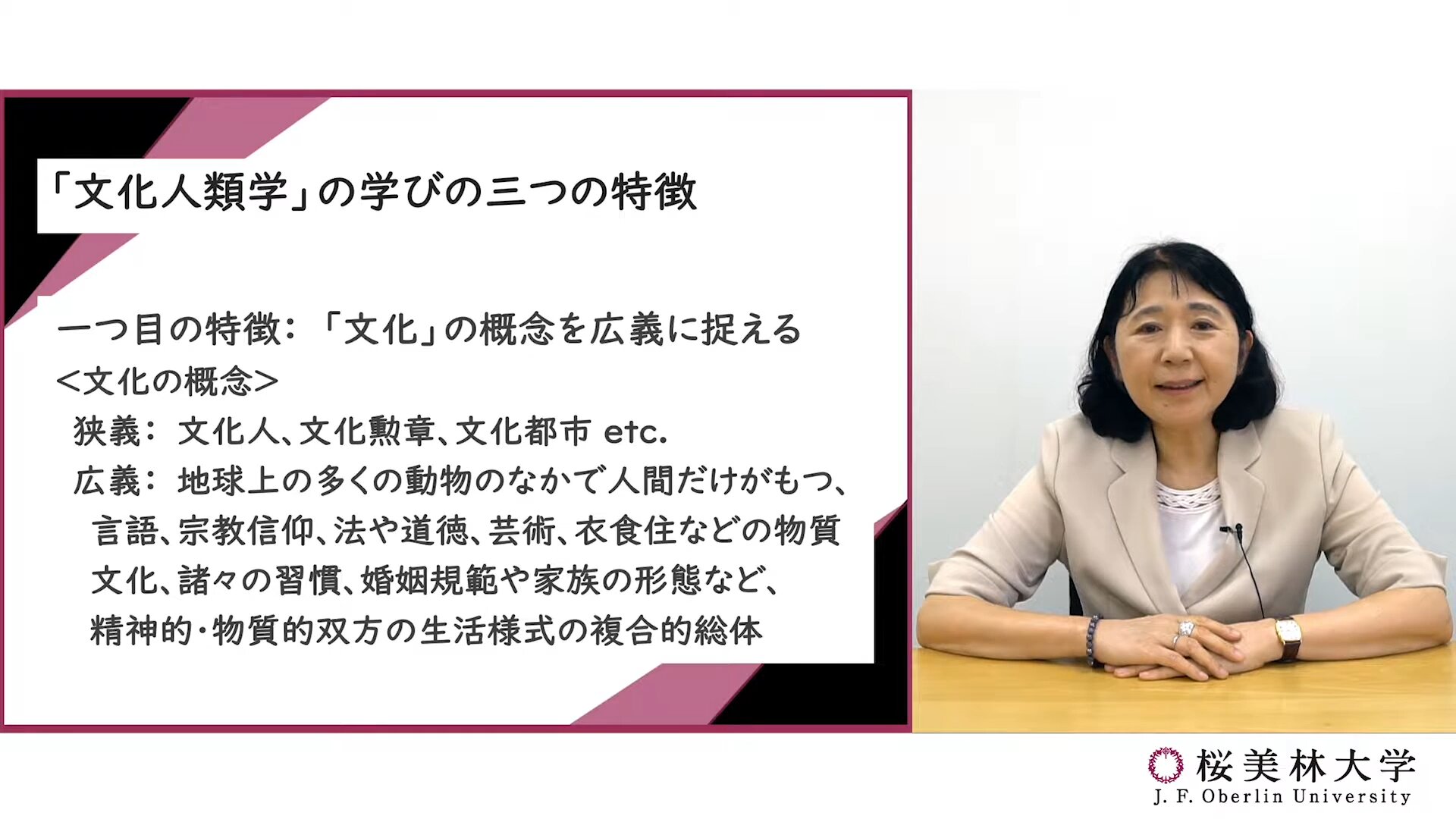
Cultural anthropology cultivates a perspective for collaborating with people from diverse cultural backgrounds through the study of different cultures. In cultural anthropology, "culture" is broadly understood from various aspects related to human life (language, religion, family, gender, environment, etc.), and it addresses related contemporary issues. A distinctive method involves immersing oneself in different cultural settings, listening to people's lives and narratives, and deepening insights into society and humanity. This kind of learning about different cultures also leads to questioning and relativizing our own "common sense."
Class Featured
History and Methods of Cultural Anthropology
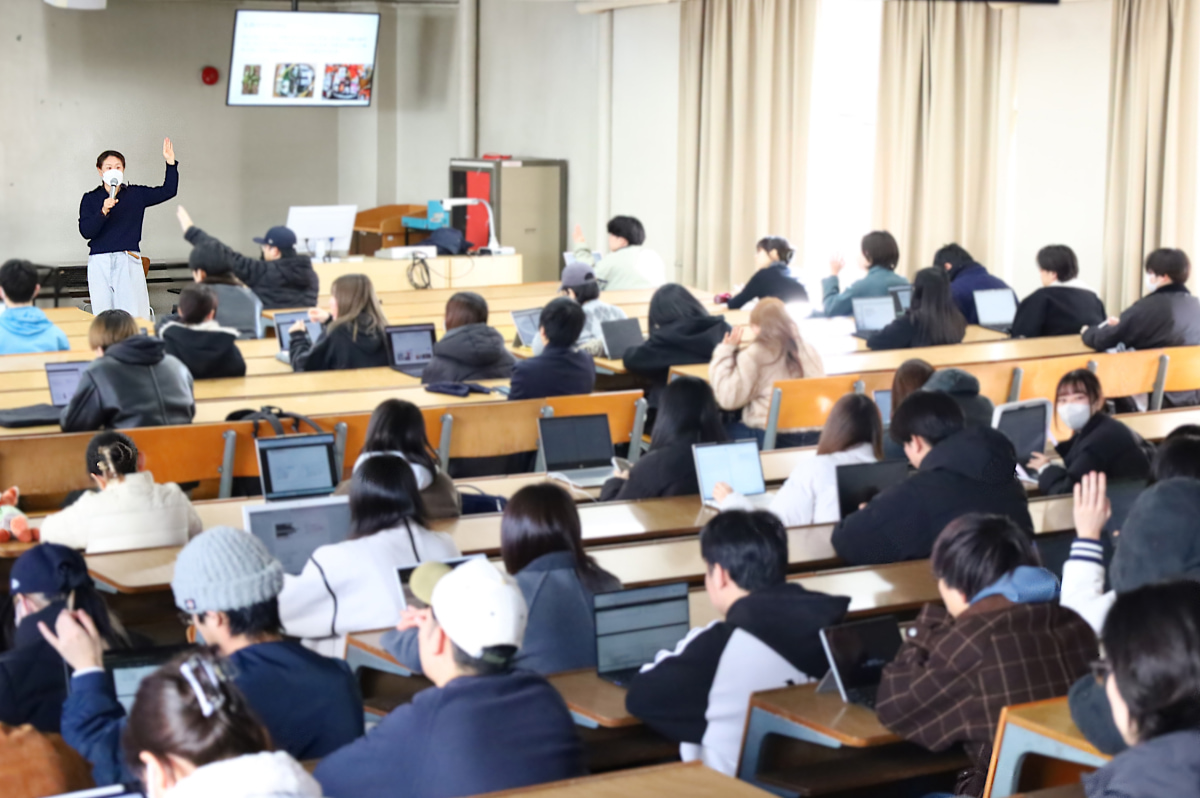
Cultural anthropology is a field of study that examines the diverse cultures and societies of humans through methods such as fieldwork and ethnography. In this course, we will first explain the major ideas and theories of cultural anthropology, such as evolutionary theory, cultural relativism, functionalism, and symbolism, and their historical development. Next, we will introduce the fundamental research methods of cultural anthropology, fieldwork and ethnography, by examining specific ethnographies. Furthermore, we will learn the fieldwork method of participant observation through practical exercises. We will also use familiar examples such as COVID-19, social media, and food to deepen our understanding of different cultures and to provide an opportunity to re-examine our own assumptions and values.
Cultural anthropology fieldwork (nomadic culture)
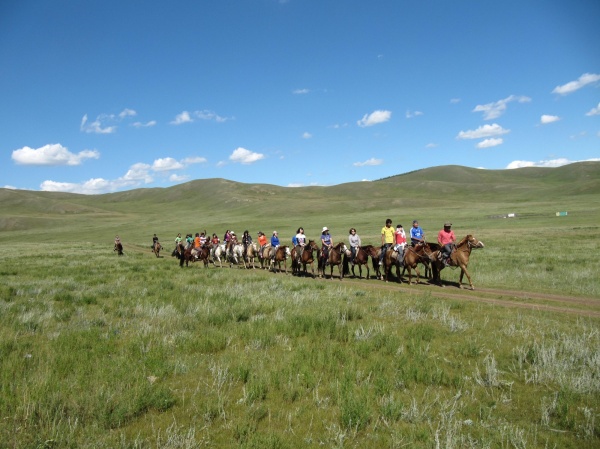
This fieldwork will involve traveling to Mongolia and living alongside nomadic people to deepen your understanding of nomadic culture. Participatory observation will cover aspects such as grazing practices, dairy processing methods, food culture, entertainment, nomadic lifestyle, religious practices and beliefs surrounding ovoos (traditional Mongolian burial mounds), and Mongolian-style slaughtering (sheep and cattle). Through this training, we aim to encourage deep reflection on "harmony and coexistence" between people, between people and animals, and between people and nature. Students from other majors, including environmental studies, religious studies, and history, are welcome to participate, not just those in cultural anthropology.
Other classes and subjects
Introduction to Cultural Anthropology / Religious Anthropology / Gender Anthropology / Multicultural Anthropology / Tourism Anthropology / Environmental Anthropology / Medical Anthropology / Development Anthropology / Nomadic Culture Studies, etc.
How seniors learned
Cultural Anthropology & Religious Studies
Learning about diverse cultures and pursuing a career as a museum curator.
Sakurako Okuse
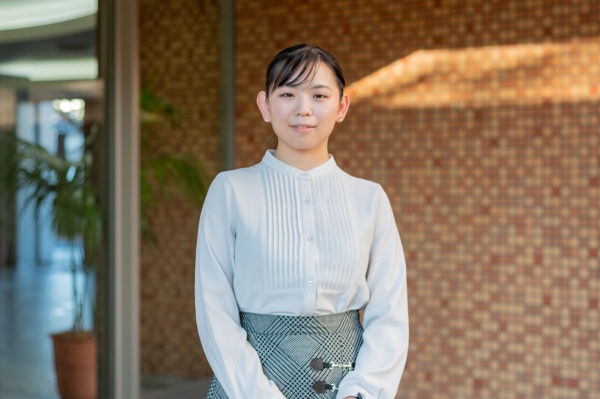
I chose to double major, specializing in Asian Area Studies and Cultural Anthropology. My reason for choosing this program is that I had been interested in Asian international relations, history, and culture since before entering university, and wanted to study them at university. Therefore, I had decided to major in Asian Area Studies from the start of my studies. However, after taking a course called "History and Methods of Cultural Anthropology" in the spring semester of my second year, I became interested in the concepts of cultural anthropology, and decided to specialize in cultural anthropology as well. Through this program, I hope to understand Asian international relations and how Japan is involved, and to work in a field that connects Asia and Japan.

Cultural Anthropology : History & Regional Design & Communication Studies
Learning that explores people and culture from ancient times to the present day.
Ryoma Miura
As someone who has always loved history, my interest in the histories of people not featured in history textbooks grew as I visited historical sites and museums. This eventually evolved into a focus on local history, and later into the question of "how to solve the problems facing local communities." I encountered cultural anthropology at university and discovered that I "enjoy observing people." While conducting anthropological research, I learned about the past through history, considered solutions to local problems through regional design, and also wanted to study communication studies to facilitate dialogue with local people, so I made these my minors as well. The fact that you can study all of these things is a unique feature of the LA (Learning and Applied Sciences) group.
Characteristics of the academic group
Open list of subpages
Content of learning
Open list of subpages
Career paths, qualifications, and achievements