Natural Area / Biology Program
Program Overview
Biology deals with life phenomena at various levels, from molecules and cells to individuals, populations, and ecosystems. It is also a field with broad applications in medicine, agriculture, environmental science, and more. This program aims to provide students with knowledge and skills in specialized areas of biology, as well as cultivate a scientific perspective and way of thinking, through subjects such as botany, zoology, ecology, physiology, genetics, and experimental courses.

Class Featured
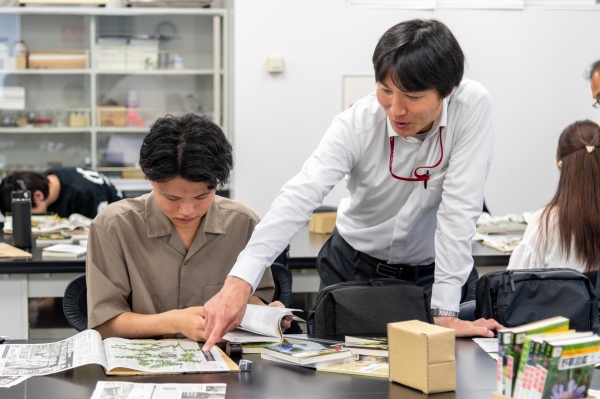
Biology Experiments I & II
This course aims to cultivate fundamental skills and scientific thinking abilities necessary for experimental and observational instruction in school education by allowing students to actually handle diverse life phenomena through observation, measurement, and analysis. It also aims to foster an understanding of and mastery of experimental techniques that form the basis of biological research. In Biology Experiment I, students will learn the correct operation of experimental equipment and methods for acquiring and interpreting data through basic experiments such as observation and identification of plants and animals around the university, microscopic observation, photosynthesis, development, and cell division. In Biology Experiment II, in addition to collecting specimens through field surveys, preparing and identifying specimens, students will experience molecular biological techniques such as aseptic manipulation, DNA extraction, PCR, and electrophoresis, and understand the relationship between morphological and molecular information. Through this series of experiments, students will acquire the ability to understand life phenomena from multiple perspectives and logically, and cultivate fundamental skills applicable to both education and research.
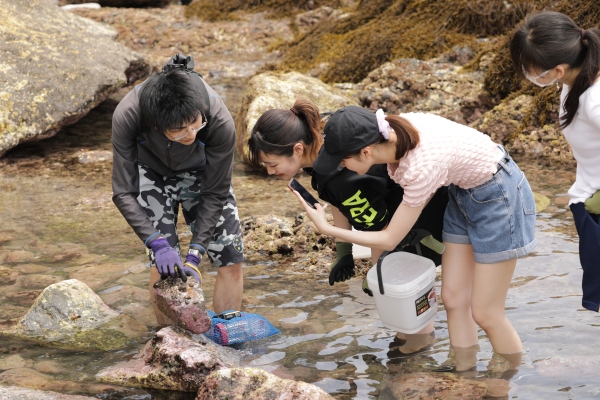
Specialized Seminar
The organisms covered vary depending on the instructor's area of expertise, including marine animals, terrestrial plants, and insects. However, all activities involve field observation and collection, as well as indoor specimen preparation and detailed observation using microscopes. Through field observation and indoor work, students learn how to identify species, the differences in organism morphology and related functions, and the differences in habitats for each species, developing deep knowledge of specific groups and an eye for nature. We also hope that students will come to appreciate the fascinating world of nature. Through seminar activities, students will encounter interesting organisms and life phenomena, and find themes for their graduation research projects in their fourth year.
Other classes and subjects
Botany A / Botany B / Zoology A / Zoology B / Ecology A / Ecology B / Microbiology / Neurophysiology / Animal Physiology / Metabolic Physiology / Genetics / Systematics / Behavioral Ecology / Advanced Biology (Community Biology) / Paleontology / Biology Experiment I / Biology Experiment II / Specialized Seminar I / Specialized Seminar II / Graduation Research, etc.
How seniors learned
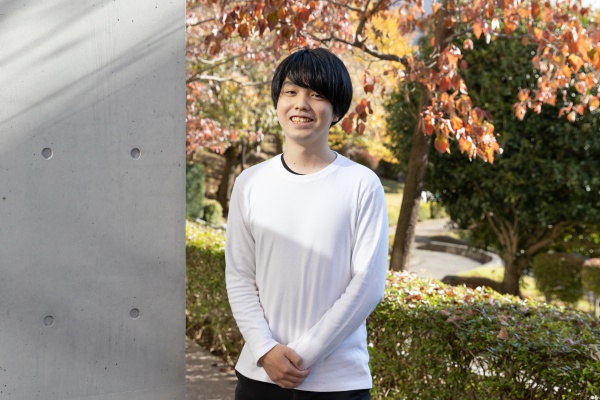
Biology & Philosophy
By superimposing philosophy as a tool onto the mechanisms of biology
Kosuke Sugita
I chose this combination because I wanted to deepen my knowledge about the emotions and happiness of living things. I felt that studying biology alone would only help me understand the mechanisms of living organisms, but it wouldn't give me an emotional or psychological perspective, or allow me to learn about the changing concepts of happiness over time. Therefore, I thought it was necessary to have a philosophical perspective. As I gained knowledge through the philosophy program, I felt that philosophy is an effective "tool" for deepening my knowledge of biology, which is why I chose these two programs. I hope that studying these two different fields will help me develop my individuality.
Characteristics of the academic group
Open list of subpages
Content of learning
Open list of subpages
Career paths, qualifications, and achievements