Integrated Area / Asian Studies Program
Program Overview
This program aims to cultivate the ability to understand diverse Asian social phenomena from a multifaceted, international perspective, using research methods from fields such as history, political science, economics, sociology, and cultural anthropology. We emphasize developing students who can think from multiple viewpoints, rather than being biased or having one-sided perspectives, and ultimately aim to cultivate individuals who can actively engage in international exchange with Asian countries.
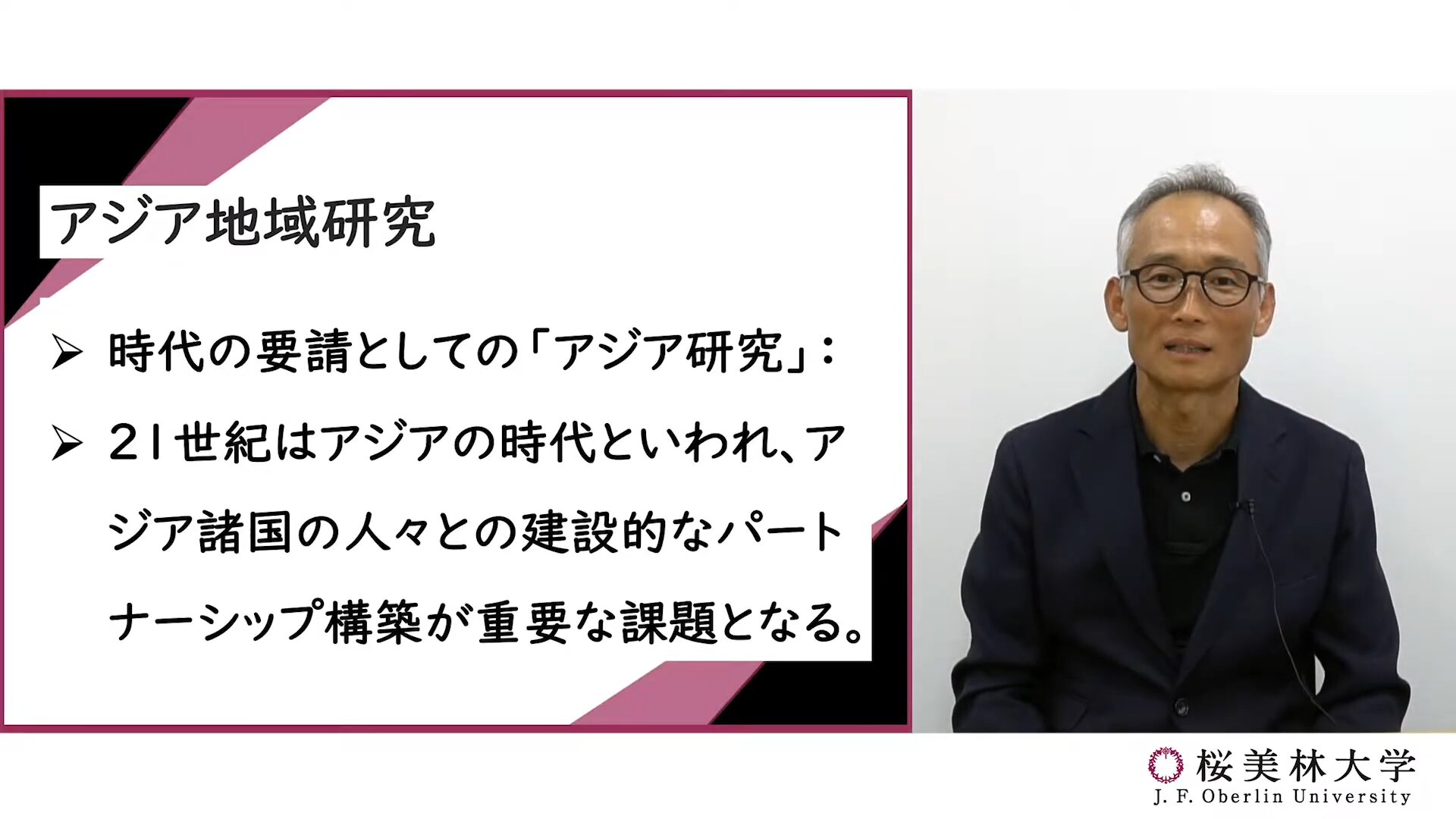
Class Featured
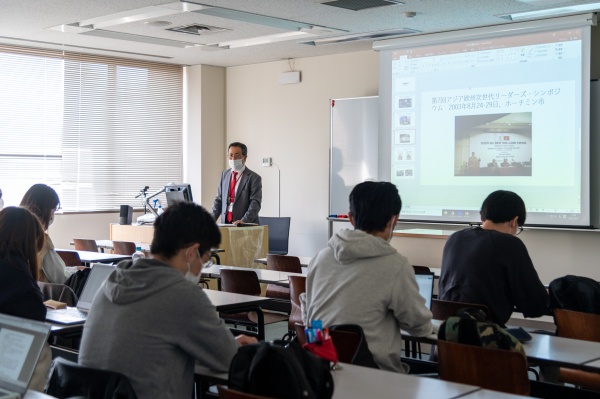
International Relations Surrounding ASEAN I & II
This paper provides an overview of the dynamic development of international politics in Southeast Asia and the Asia-Pacific region from the Cold War era to the post-Cold War era (including issues within the realm of political economy, such as free trade agreements). The central focus is on the relationship between major powers outside the region and the Association of Southeast Asian Nations (ASEAN), a group of smaller Southeast Asian states, regarding regional conflicts and regional cooperation.
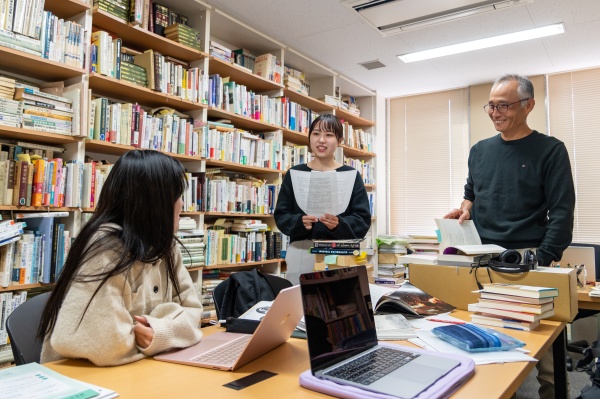
Korean Culture and Japan-Korea Exchange Seminar
This seminar is a practical course for third-year students interested in the history and culture of the Korean Peninsula, as well as Japan-Korea exchanges. We will deepen our understanding of the various cultural exchanges experienced by the people of the Japanese archipelago and the peninsula, drawing on methodologies such as history, comparative studies, and cultural studies. Research topics will include not only Japanese and Korean literature and culture, history and politics, but also Korean cultural content such as movies, K-dramas, pop music, and fashion.
Other classes and subjects
Introduction to Asian Studies A / Introduction to Asian Studies B / Japan-Korea Relations / Korean Culture / Chinese Culture / Development and Politics in East Asia I / Development and Politics in East Asia II / International Relations Surrounding ASEAN I / International Relations Surrounding ASEAN II / Comparative Politics IIA / Comparative Politics IIB / Asian Economy / Contemporary Society in East Asia I / Contemporary Society in East Asia II / Politics and Economics in Oceania I / Politics and Economics in Oceania II / Advanced Topics in Asian Studies (Issues Concerning Mongolia) / Thought and Religion in Asia I / Thought and Religion in Asia II, etc.
How seniors learned

Asian Area Studies & Cultural Anthropology
The world as seen through two majors: Asian Studies and Cultural Anthropology.
Miku Muramatsu
I chose to double major, specializing in Asian Area Studies and Cultural Anthropology. My reason for choosing this program is that I had been interested in Asian international relations, history, and culture since before entering university, and wanted to study them at university. Therefore, I had decided to major in Asian Area Studies from the start of my studies. However, after taking a course called "History and Methods of Cultural Anthropology" in the spring semester of my second year, I became interested in the concepts of cultural anthropology, and decided to specialize in cultural anthropology as well. Through this program, I hope to understand Asian international relations and how Japan is involved, and to work in a field that connects Asia and Japan.
Characteristics of the academic group
Open list of subpages
Content of learning
Open list of subpages
Career paths, qualifications, and achievements