The life of a museum curator.
Exploring, preserving, and telling history.
College of Arts and Sciences Graduates
Kokubunji City Board of Education, Education Department, Hometown Cultural Property Division, Historic Sites Section (Curator)
Yuma Noda
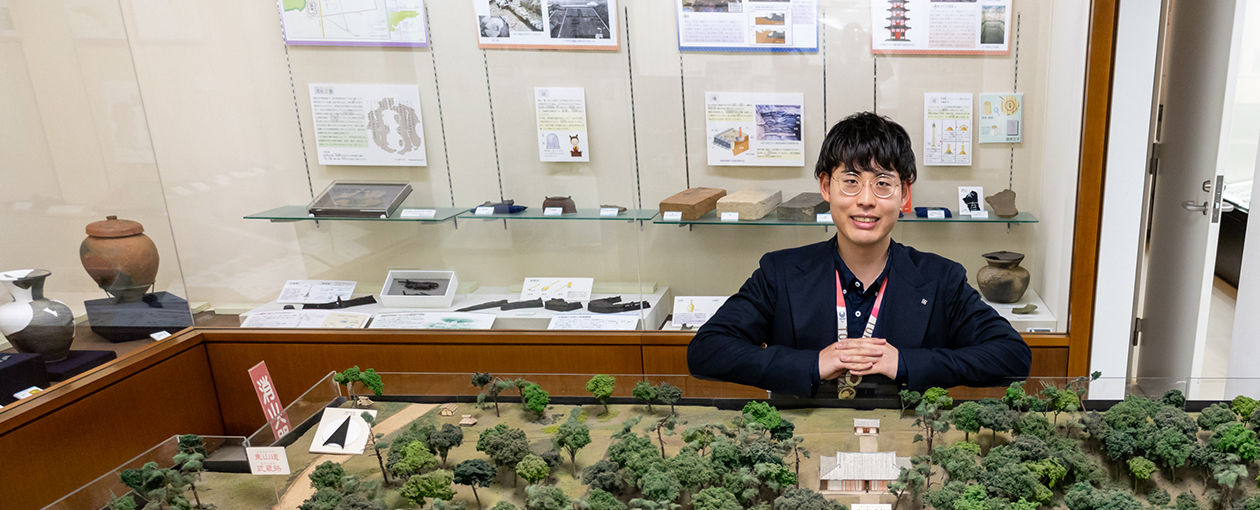
Main content
No two jobs are exactly alike.
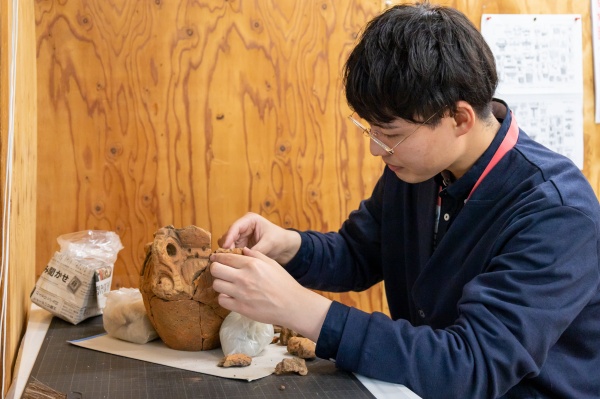
Because I was able to pursue what I loved, I was able to learn what I wanted to learn.
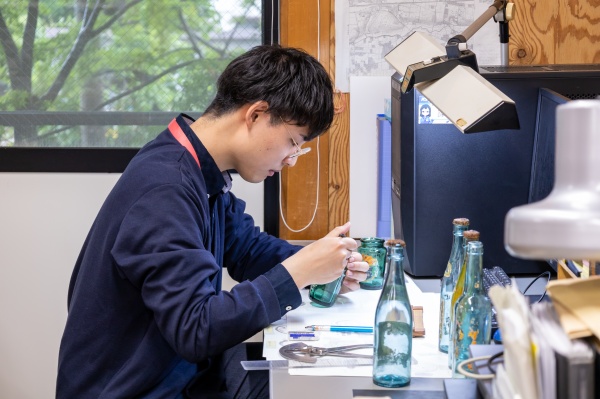
Develop multifaceted thinking skills.
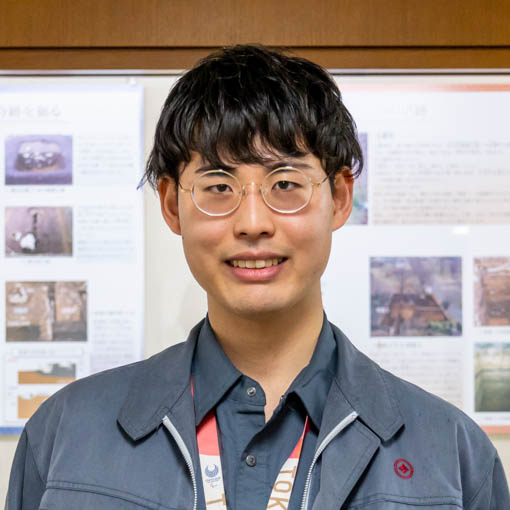
Yuma Noda
profile
During her studies, she focused on biology while also taking courses in museum curation. Her graduation research focused on the ecology of penguins. Currently, she has shifted her research focus from the sea to land and is working as a curator, investigating cultural properties in Kokubunji. Her hobbies include illustration and cosplay. She is also an illustrator and cosplayer who is actively involved in promoting Koganei City, where she was born and raised, and is expanding her activities in a wide range of fields.
Interview date:
This took place in June 2023.
Related content
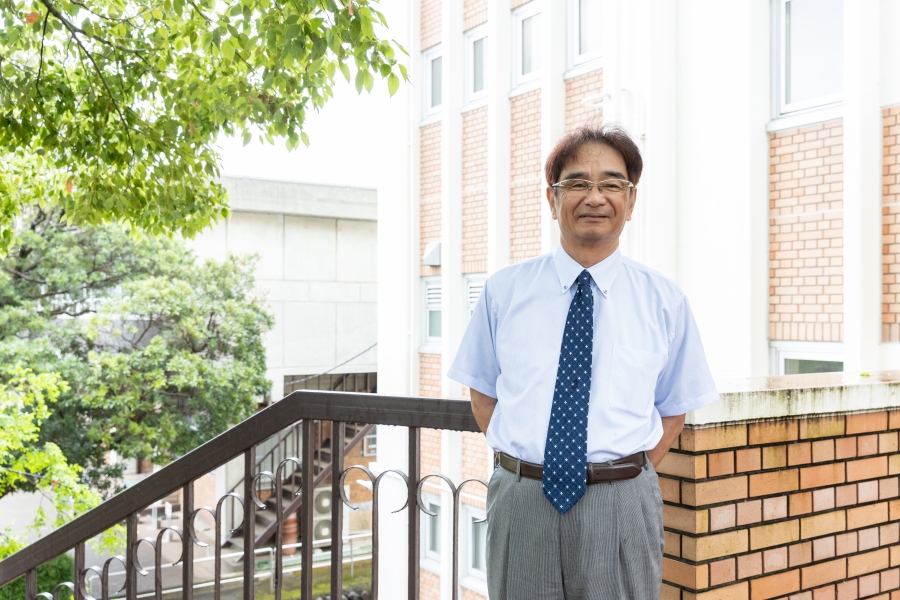
I will dedicate my life to promoting the widespread use of disaster-prevention wells, which are essential during emergencies.New
Faculty of Letters English Department of British and American Literature
Kazuyuki Iwakuma
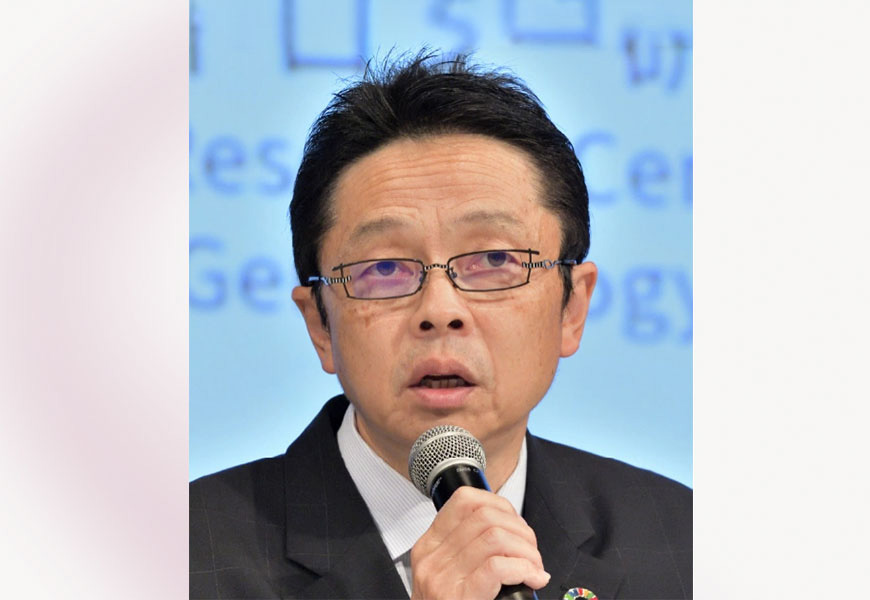
Seeking a higher perspective and a broader outlook. Encounters with new mentors and colleagues stimulate curiosity.
Graduate School International Graduate School of Advance MA Program in International Studies Degree Program in Gerontology (Doctoral Program)
Koji Ishizaki
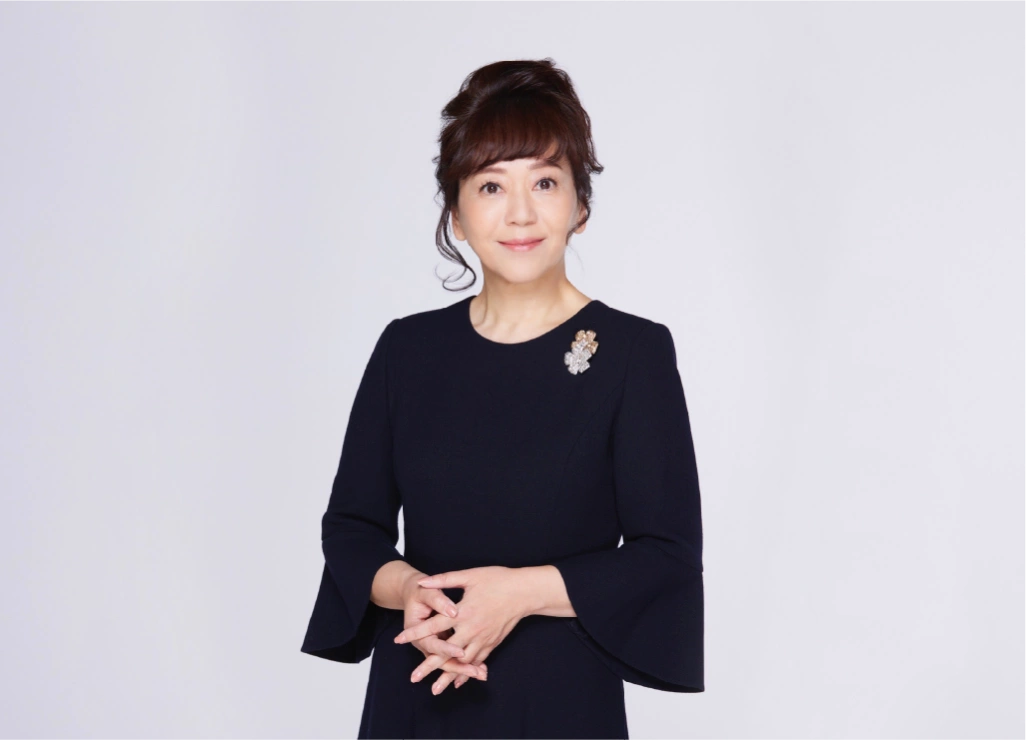
"Reskilling" to shine in 10 years. I felt the joy of getting to the heart of things.
Graduate School of International Graduate School of Advance MA Program in International Studies Management
Yoshimi Iwasaki
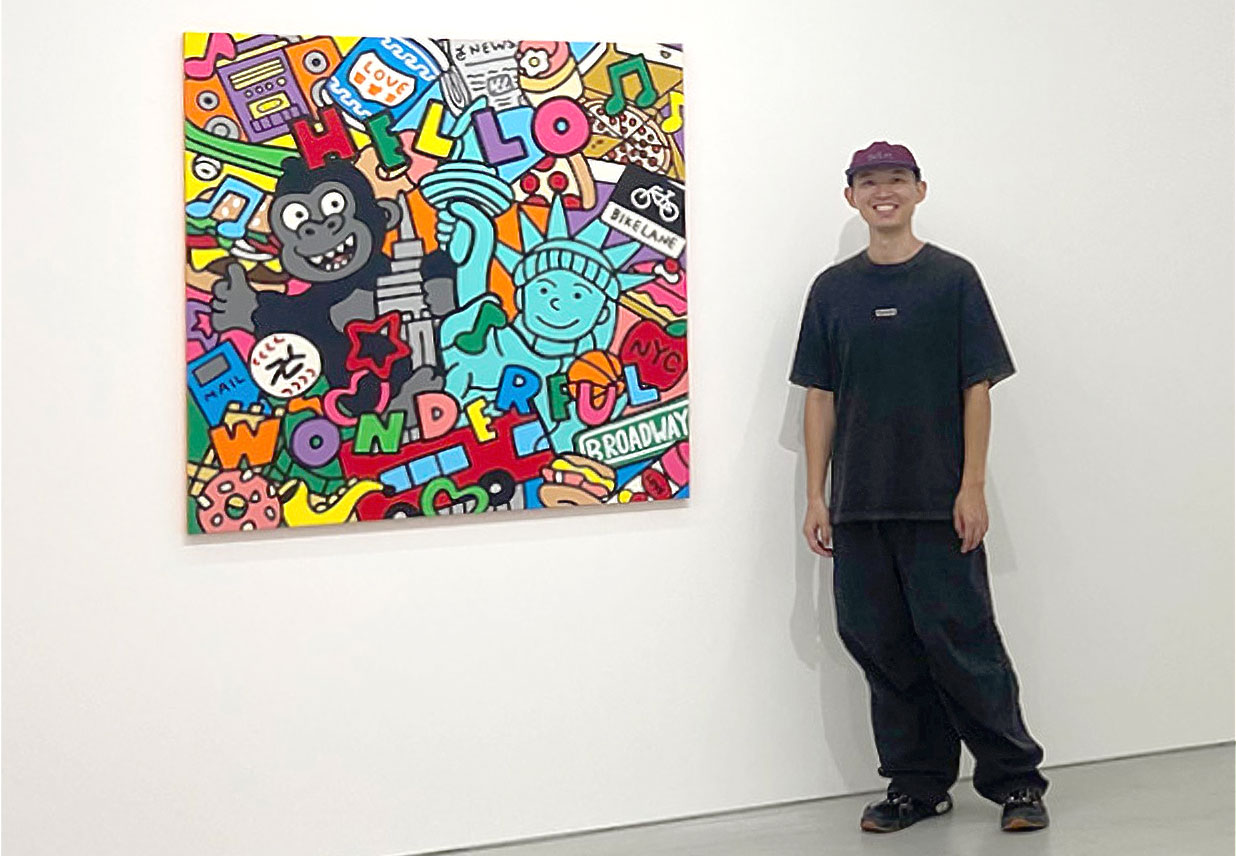
"LOVE & PEACE" to the world. We want to bring joy to people through art.
Comprehensive Cultural Studies Group Plastic Design Major
Shota Shiiba
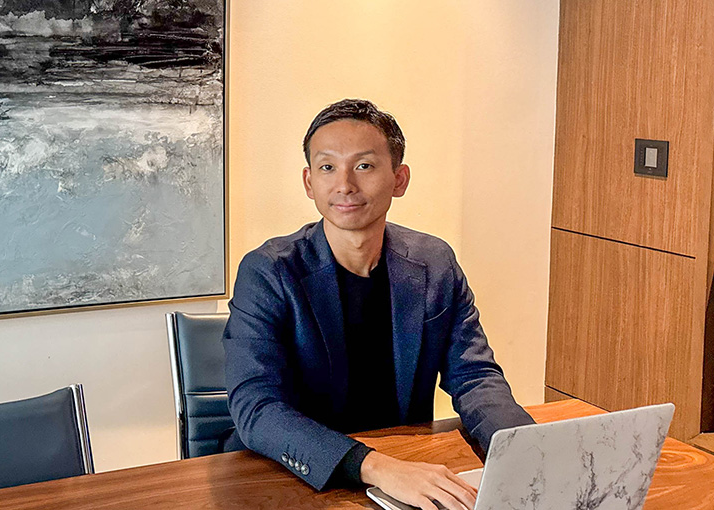
Overcoming adversity, forging a new path, and becoming a bridge connecting Japan and the United States.
College of Arts and Sciences
Genki Noguchi
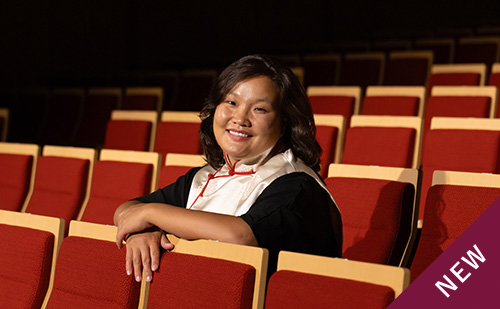
Believing in the power of film to provide an opportunity to think together about social issues / Zorjargal Prevdas
Comprehensive Culture Studies School: Film Major
Zoljargal Prebdashi
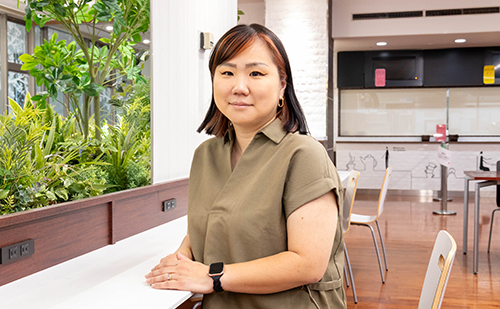
Crying won't get you anywhere. The experience of taking a courageous step forward will surely be useful someday. / Ayumi Masuda
Faculty of International Studies, Department of International Studies
Ayumi Masuda
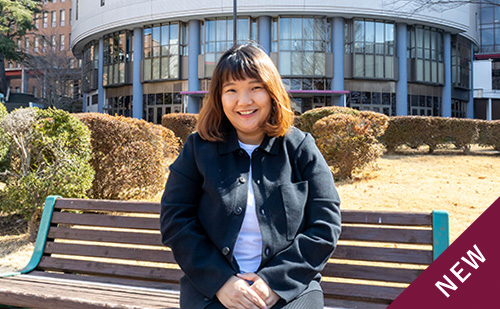
"I want to create a child development support facility in Mongolia someday by combining journalism and social welfare." - Erdenebat Luhamzaya
College of Arts and Sciences
Erdenebat Rhamzayya