By combining journalism and social welfare,
I want to build a child development support facility in Mongolia someday.
College of Arts and Sciences Graduates
Erdenebat Rhamzayya
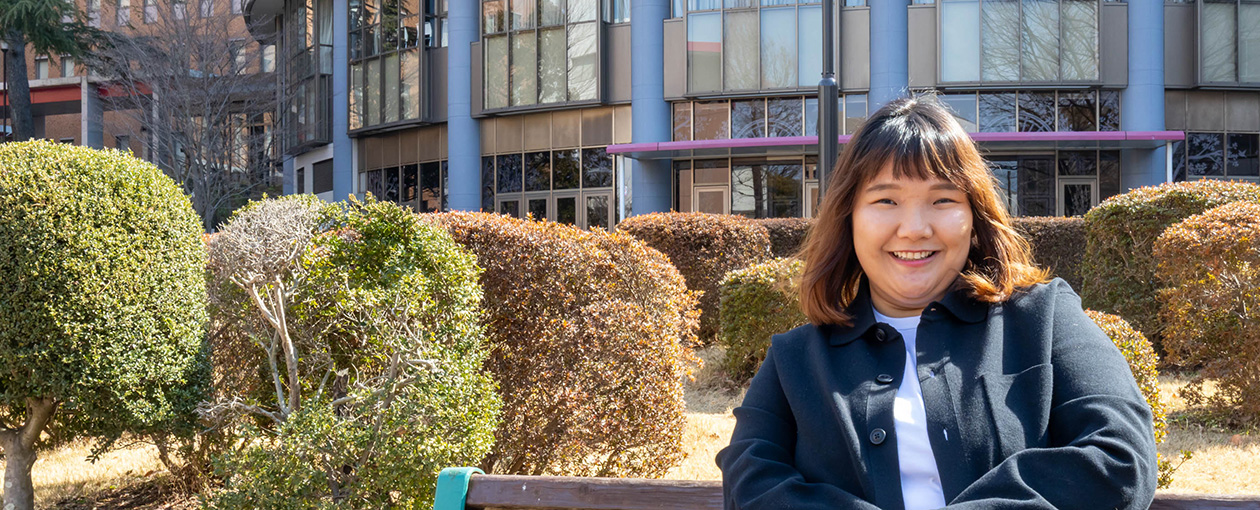
Main content
Entered J. F. Oberlin University aspiring to become a journalist
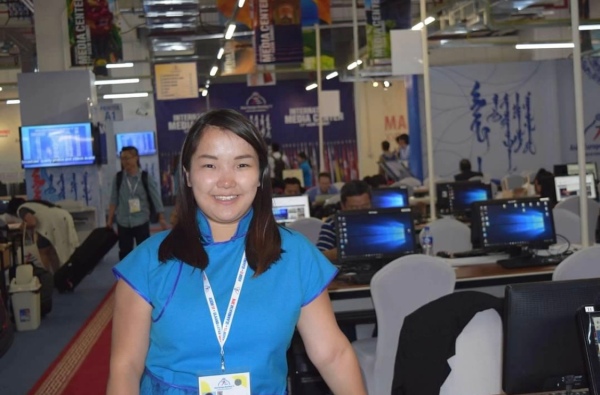
You cannot convey to others what you do not know yourself.
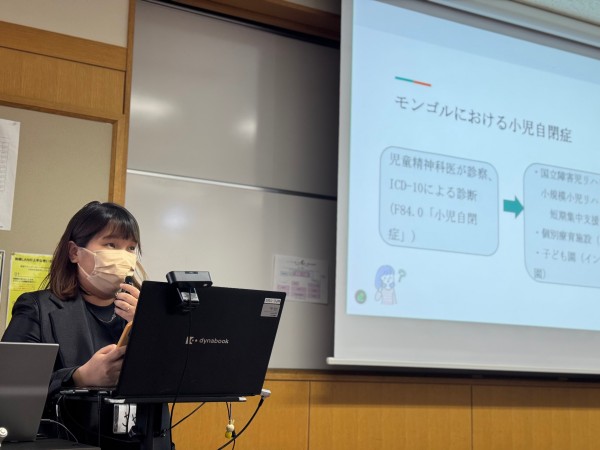
My experience working in developmental support after changing jobs prompted me to enroll in the speech-language pathology course at Musashino University Graduate School. My reason was that I wanted to deepen my knowledge of voice and speech production so that I could think about appropriate support for children with speech disorders and their families. Through disseminating information to Mongolia, I also had many opportunities to receive consultations from Mongolian people. You can't convey something to someone if you don't know it yourself, right? So I thought, "Okay, I should study while I have the chance."
There may be a language barrier, but I'm sure our hearts can connect.
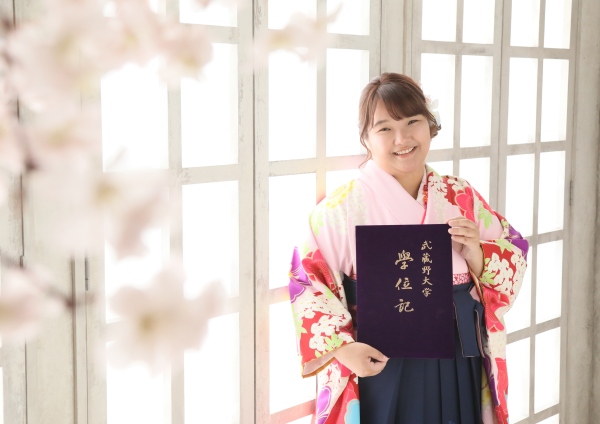
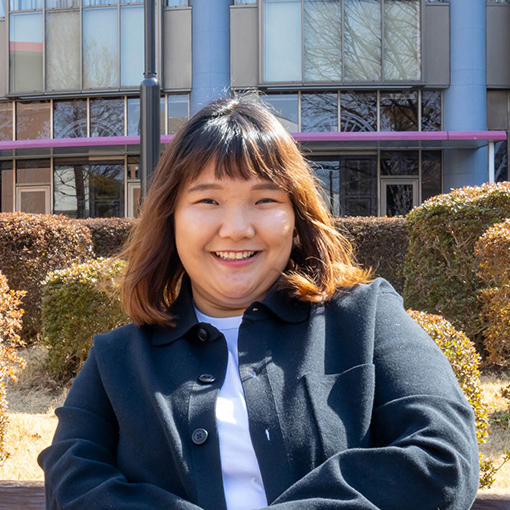
Erdenebat al-Hamzayya
profile
During her childhood, she worked as a child reporter for about 10 years on a local Mongolian television program. While in school, she studied journalism, and after graduation, she worked as a journalist in Mongolia. Through a fortunate connection, she began working at a child development support center in Japan, and later enrolled in the speech-language pathology course at Musashino University Graduate School. Her dream is to establish a child development support facility that blends the best aspects of Japan with Mongolian culture.
Interview date:
*This interview was conducted in February 2025.
Related content
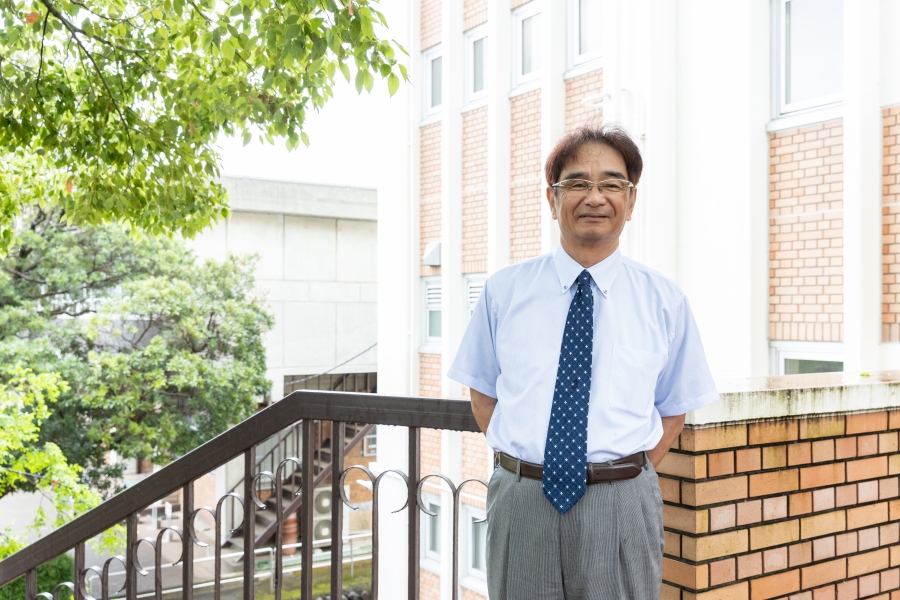
I will dedicate my life to promoting the widespread use of disaster-prevention wells, which are essential during emergencies.
Faculty of Letters English Department of British and American Literature
Kazuyuki Iwakuma
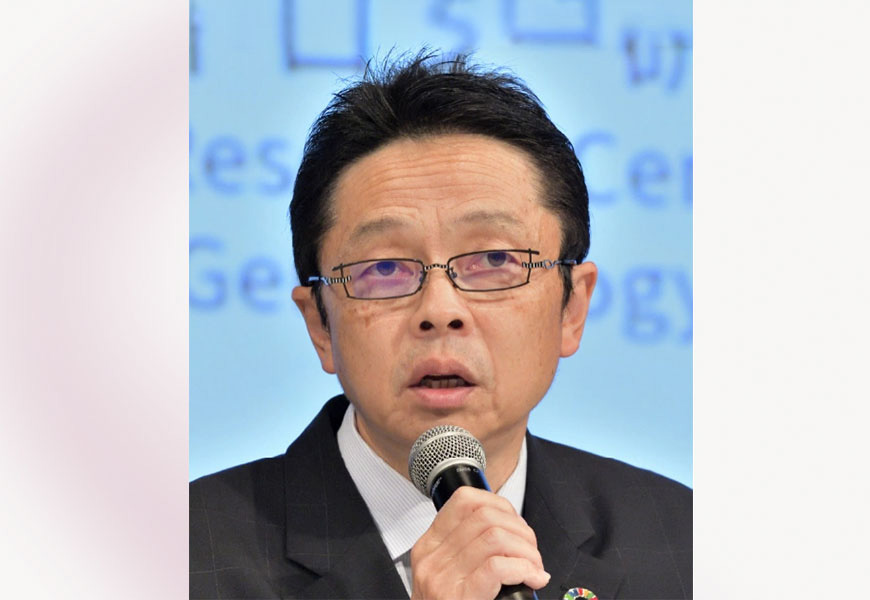
Seeking a higher perspective and a broader outlook. Encounters with new mentors and colleagues stimulate curiosity.
Graduate School International Graduate School of Advance MA Program in International Studies Degree Program in Gerontology (Doctoral Program)
Koji Ishizaki
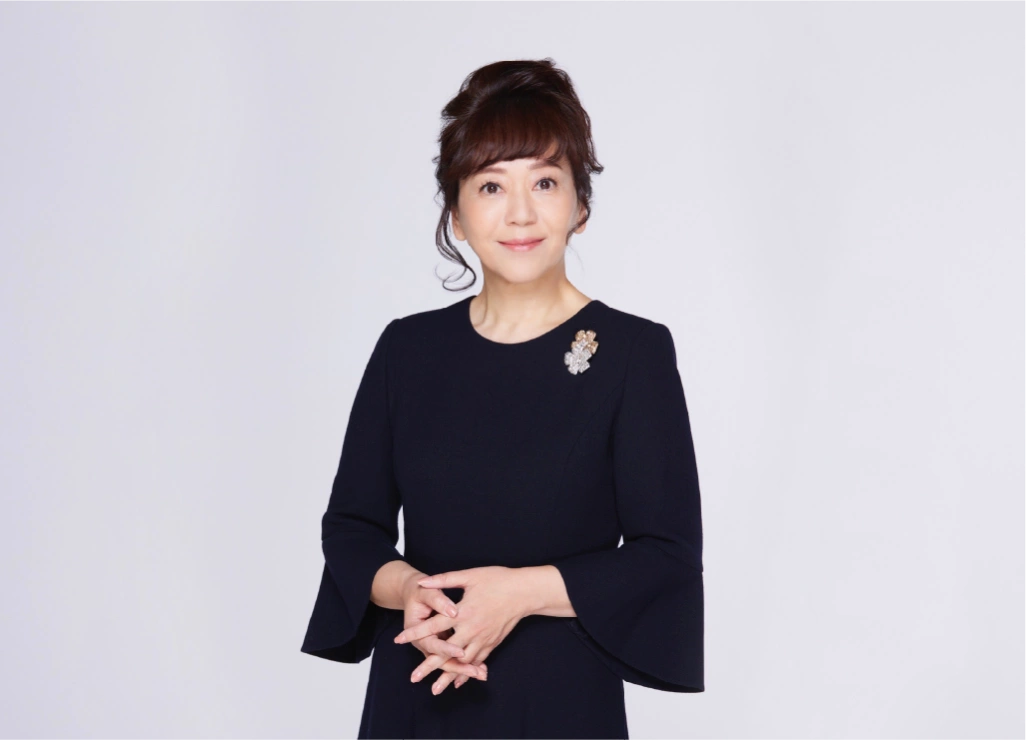
"Reskilling" to shine in 10 years. I felt the joy of getting to the heart of things.
Graduate School of International Graduate School of Advance MA Program in International Studies Management
Yoshimi Iwasaki
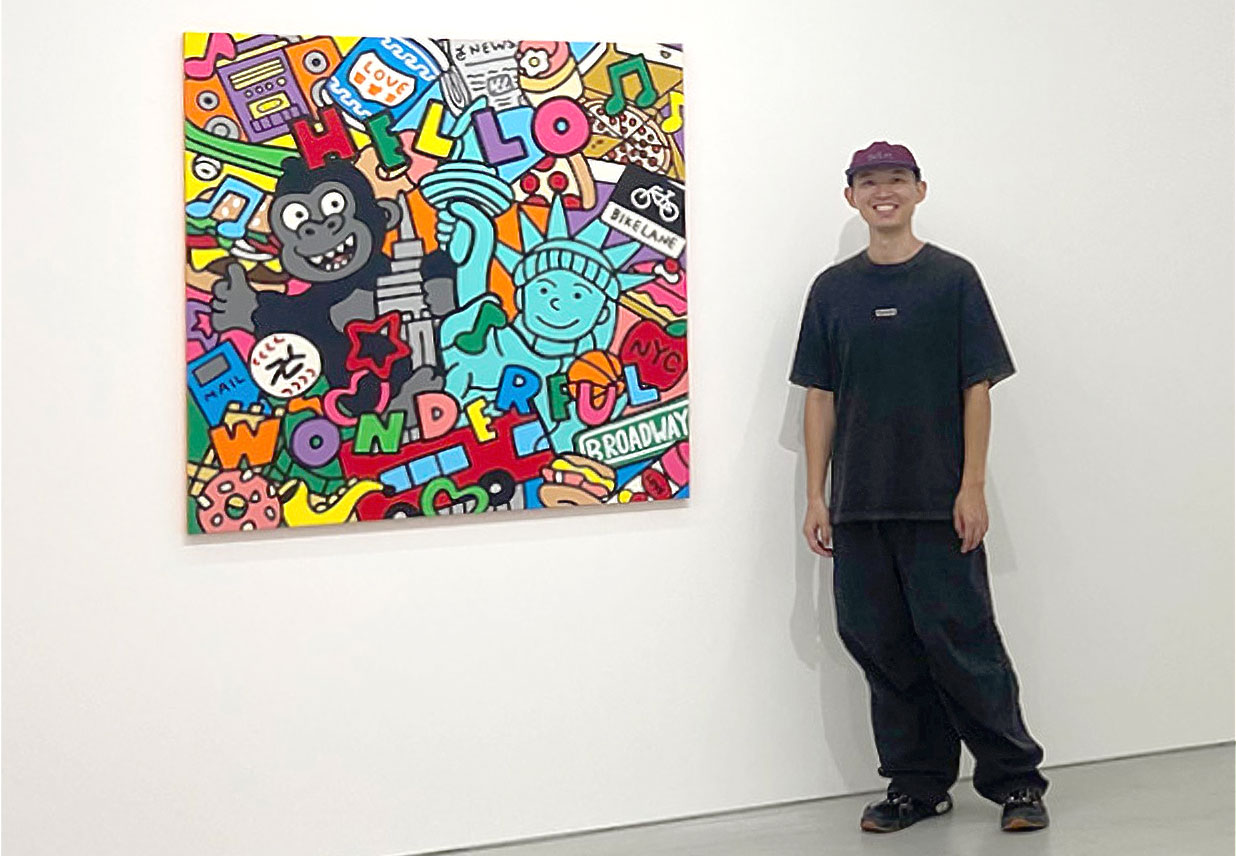
"LOVE & PEACE" to the world. We want to bring joy to people through art.
Comprehensive Cultural Studies Group Plastic Design Major
Shota Shiiba
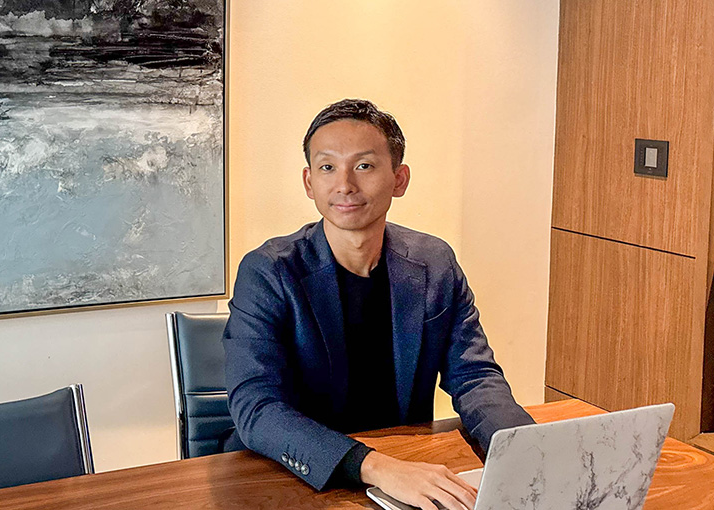
Overcoming adversity, forging a new path, and becoming a bridge connecting Japan and the United States.
College of Arts and Sciences
Genki Noguchi
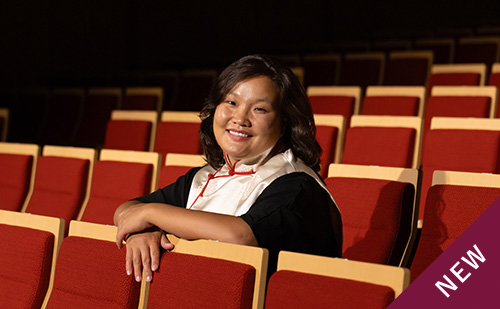
Believing in the power of film to provide an opportunity to think together about social issues / Zorjargal Prevdas
Comprehensive Culture Studies School: Film Major
Zoljargal Prebdashi
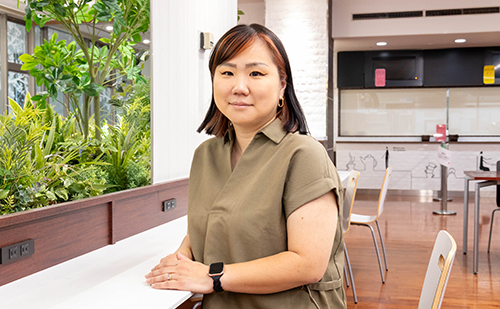
Crying won't get you anywhere. The experience of taking a courageous step forward will surely be useful someday. / Ayumi Masuda
Faculty of International Studies, Department of International Studies
Ayumi Masuda
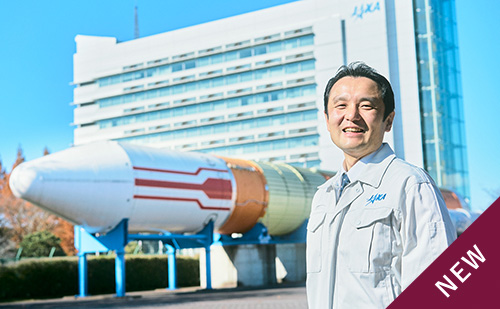
Protecting Technology and Information: Realizing the Romance of Space Development / Yoshiaki Mashita
Faculty of International Studies
Yoshiaki Mashita