Don't ignore anything that feels wrong.
Let's begin our inquiry with a casual "question."
College of Education and Social Transformation 2nd Year Student
Haruna Utsuki
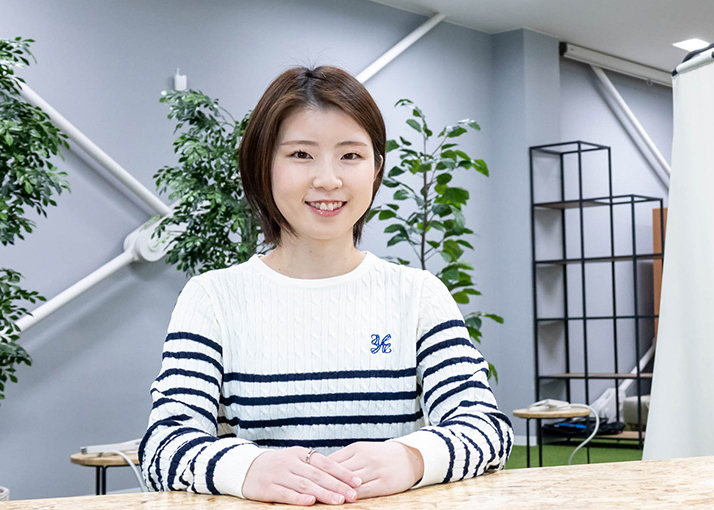
Main content
Driven by a sense of unease, I embarked on a path of exploring education.
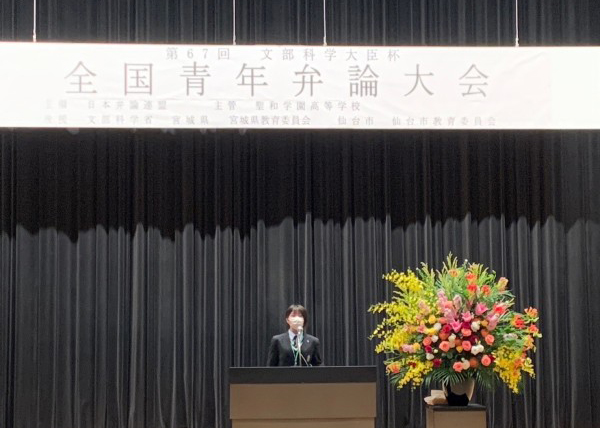
When I was about to enter university, I initially considered the Faculty of Education. However, I didn't necessarily want to become a teacher; rather, I wanted to deepen my understanding of "education itself." While I was unsure, I learned that a new College of Education and Social Transformation would be established in J. F. Oberlin University. While focusing on education, I could study a variety of adjacent fields such as sociology and economics. I felt that I could re-examine my inquiry themes and social issues from every perspective, so I decided to enroll in J. F. Oberlin University.
I realized the importance of "listening" through fieldwork.
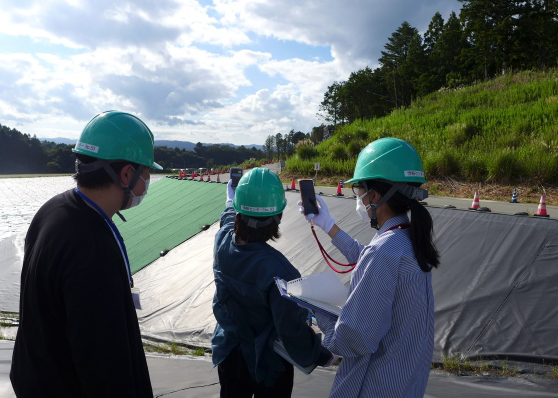
At the same time, I also faced the challenge of developing effective interview techniques to elicit genuine and insightful responses from people in the field. How can we capture these voices for academic research? I intend to apply the lessons learned from this experience to my future research.
We want to support children's learning through the power of policy.
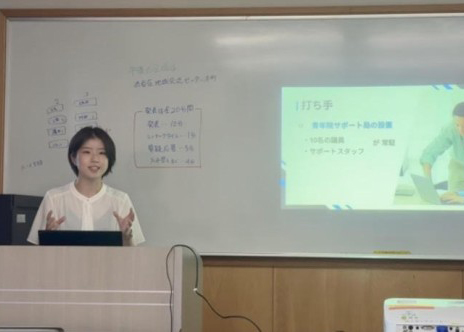
J. F. Oberlin University offers an environment that takes personal challenges seriously and encourages you. I want to continue pursuing any discomfort or questions I have without compromise and live a university life without regrets.
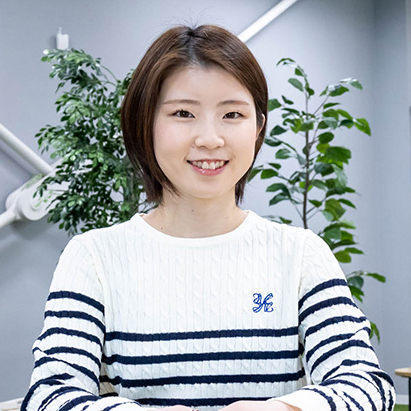
Haruna Uki
Profile
Becoming student council president in junior high school prompted her to start thinking about the nature of education. She has been actively involved in self-study, such as participating in speech contests. At the 2025 entrance ceremony, she served as the main MC for the Events for the new students in Part 2.
Interview date:
*This interview was conducted in December 2025.
Related content
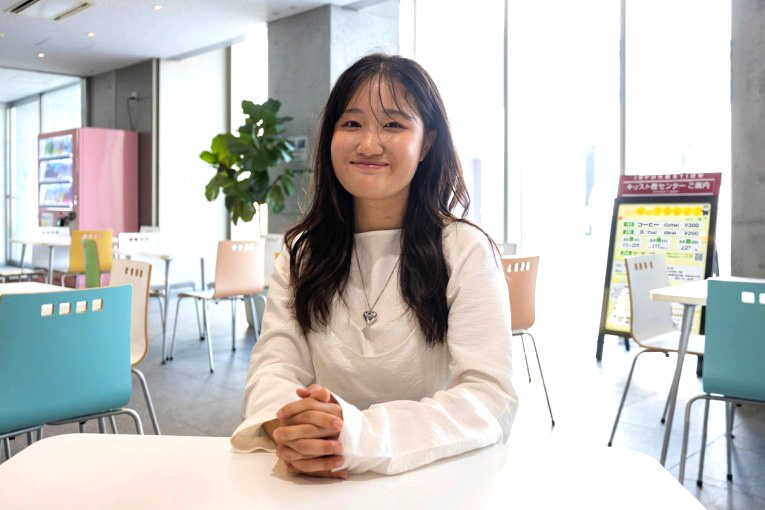
Overcoming language barriers: The power of writing opens the door to a career in psychology.
Graduate School Psychology Practical Research Degree Program, Clinical Psychology Field, 1st year master's student / *Graduated in 2026 J. F. Oberlin University College of Arts and Sciences
Jia Yubin (from Jeju Island, South Korea)
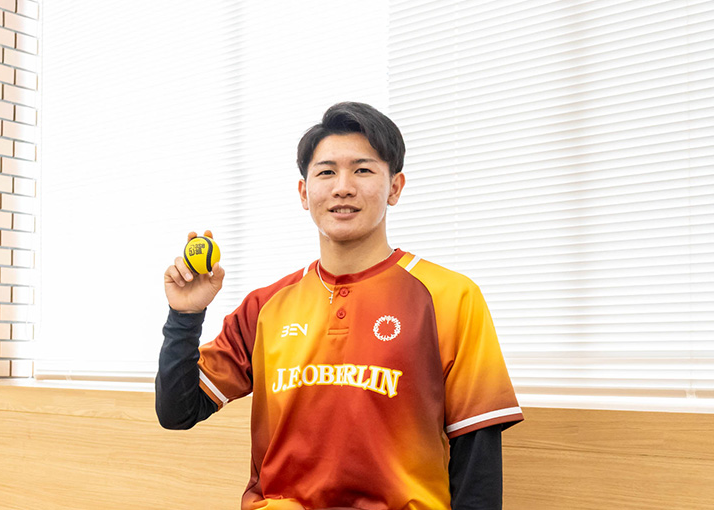
Coincidence and inevitability. A challenge continued: Competing against the world with Baseball5.
College of Health and Welfare
Masahiro Uemura
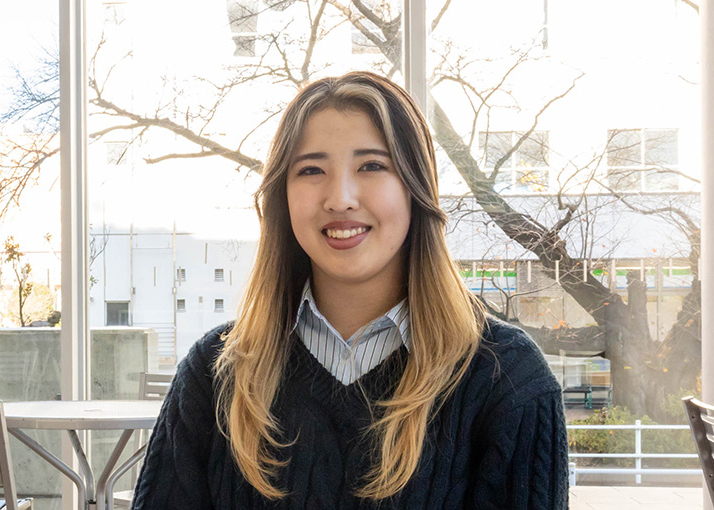
"Not knowing" holds great potential. Always have the courage to step into new worlds.
College of Arts and Sciences
Risa Shiotani
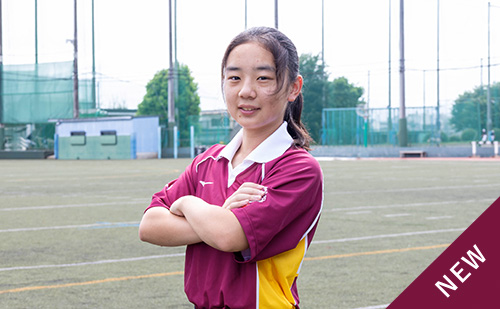
Focusing on creating scoring opportunities, I want to become a player that my teammates can rely on / Natsuki Morita
College of Performing and Visual Arts
Natsuki Morita
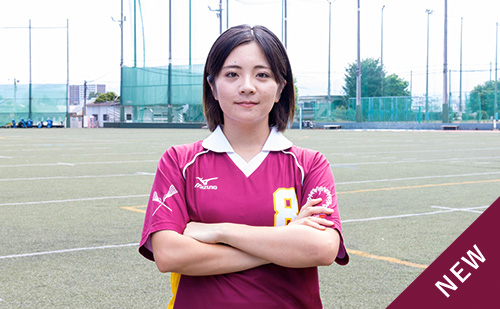
Aiming to be a team that pursues the joy of lacrosse and victory / Yuka Oikawa
College of Arts and Sciences
Yuka Oikawa
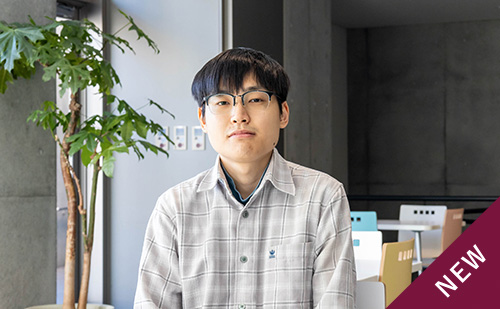
Learning is a cumulative process. Armed with curiosity, she passed the weather forecaster exam while still a student / Yuka Matsushita
College of Arts and Sciences
Yuka Matsushita
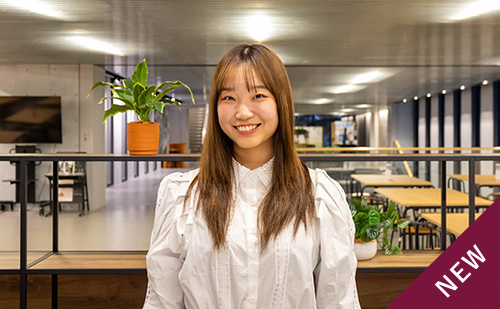
I want to continue challenging myself as a working adult, drawing on the experience I gained from balancing both academics and extracurricular activities. / Miwa Nishizaki
College of Performing and Visual Arts
Miwa Nishizaki
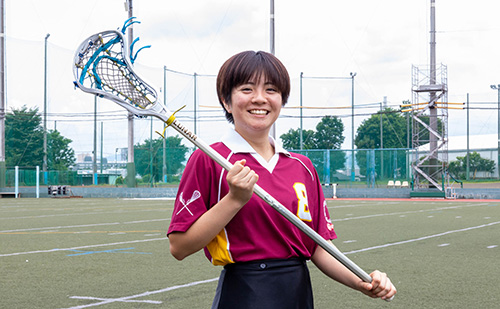
Aiming to be a strong defender as the linchpin of the team / Yuka Oikawa
College of Arts and Sciences
Yuka Oikawa