Current position

Machida Campus

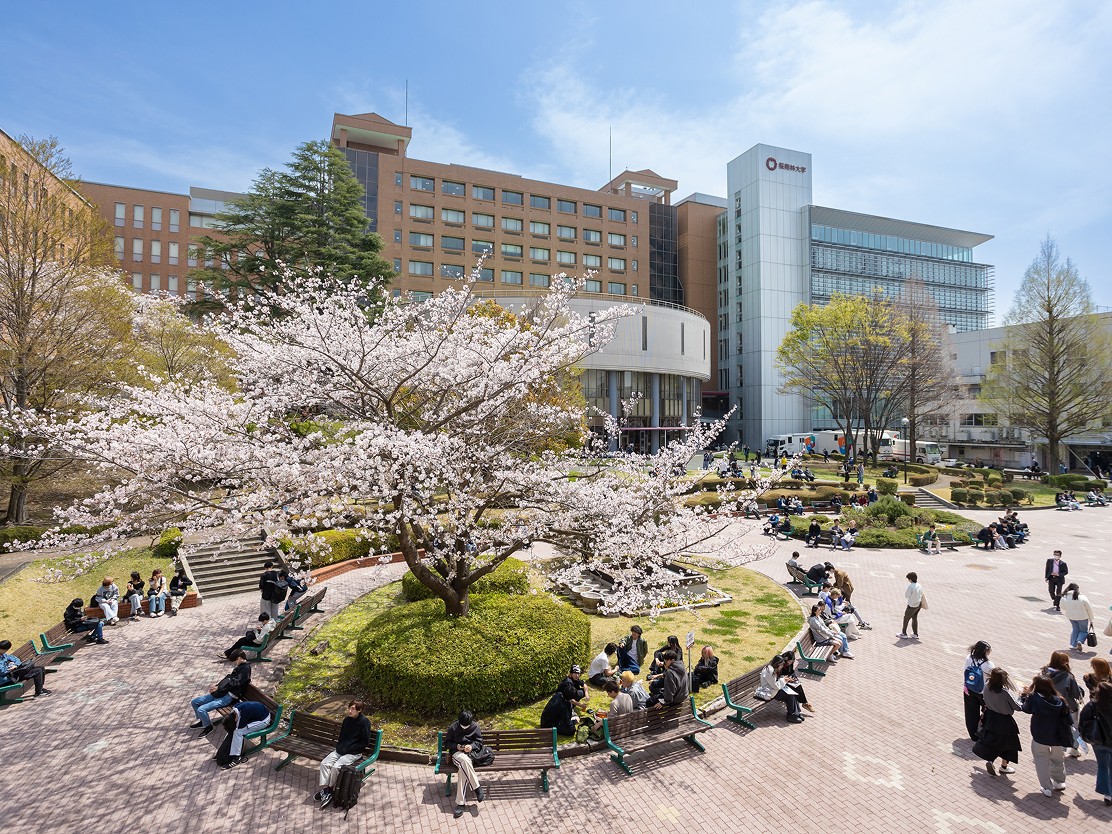
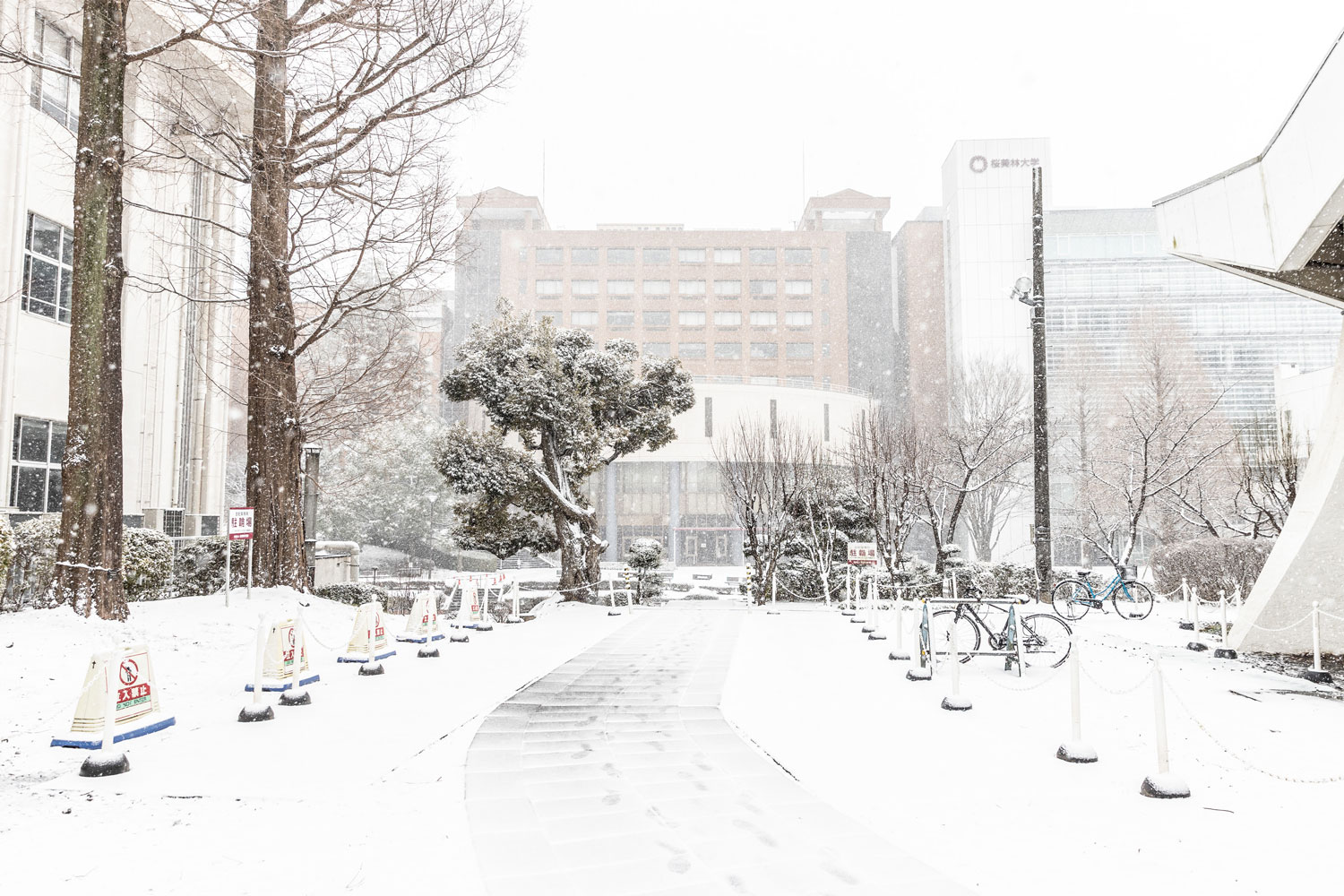
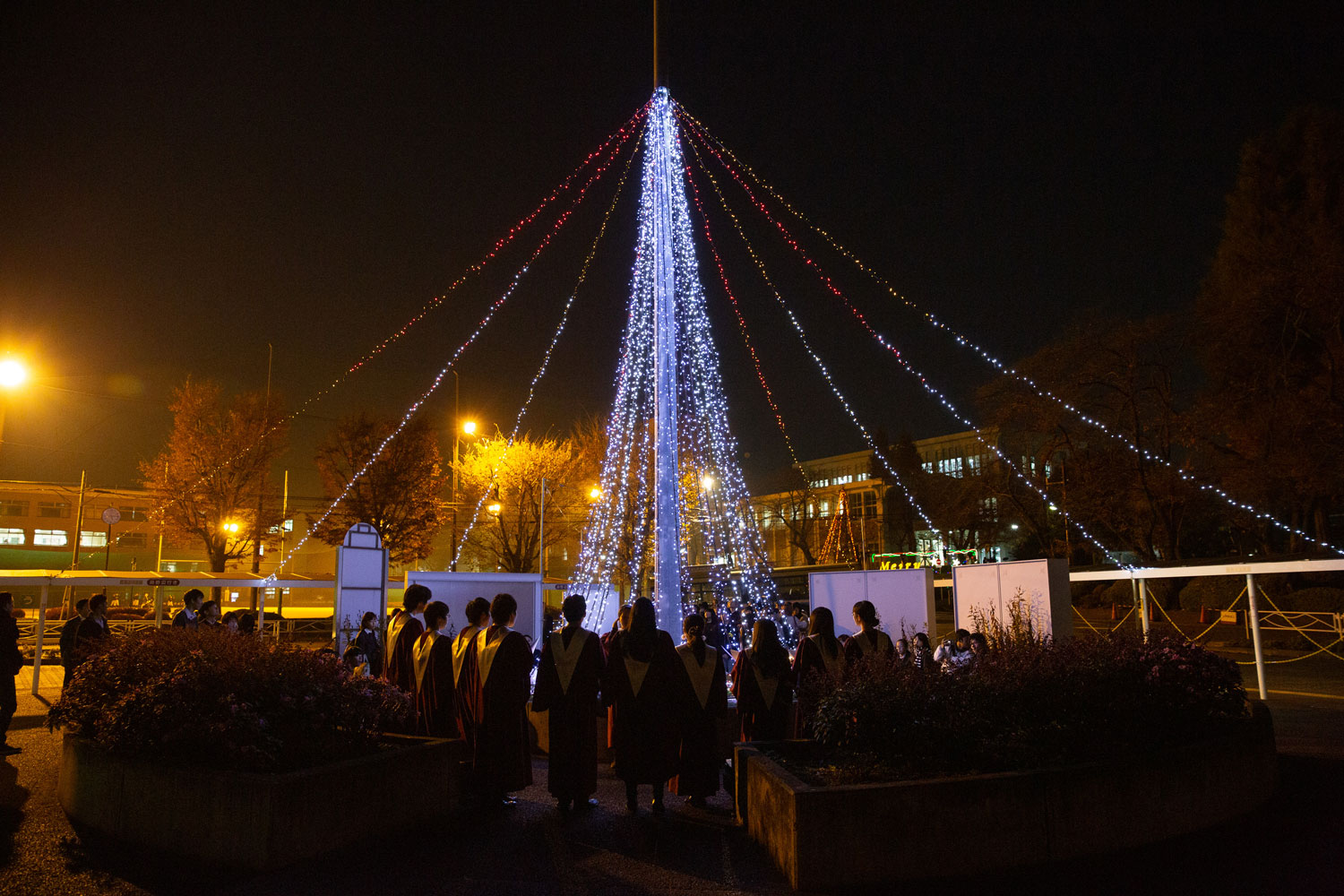
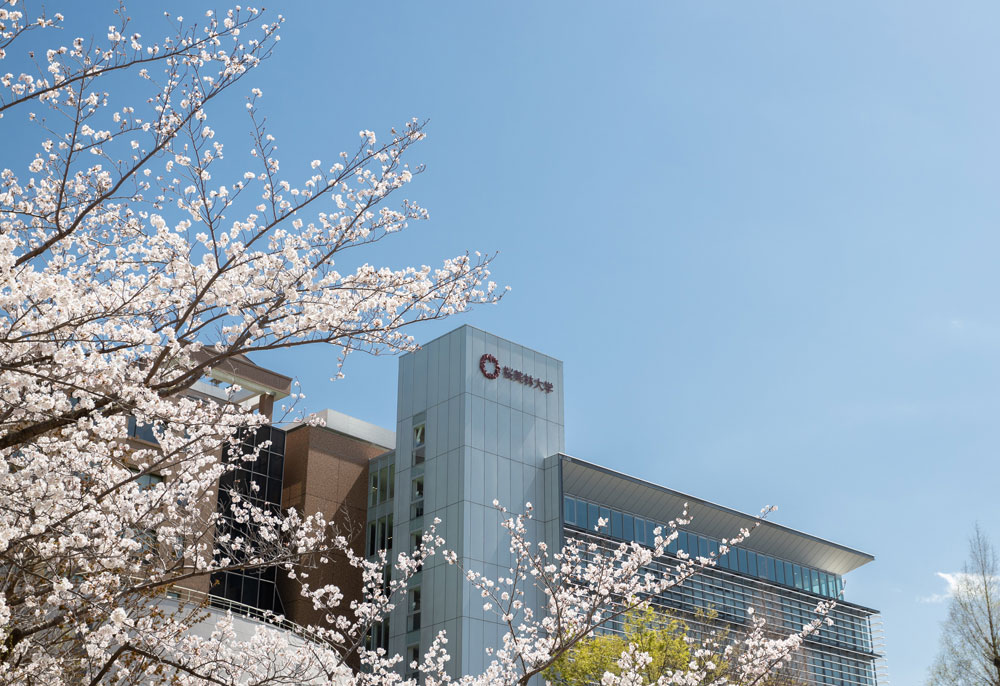
Exterior view of J. F. Oberlin University Machida Campus

Overview

Exterior view of J. F. Oberlin University Machida Campus

This is the main campus of J. F. Oberlin University, located in Machida City, Tokyo. The absence of gates and fences symbolizes its openness to everyone, representing J. F. Oberlin University 's commitment to learning across borders and cultures. Each building on campus is named after a figure reflecting the history of Obirin Gakuen or the founder's aspirations.

Land area: 148,891㎡
Address: 3758 Tokiwa-cho, Machida City, Tokyo 194-0294
Phone: 042-797-1583 (Information Center)

  • College of Arts and Sciences
  • College of Health and Welfare
  • College of Global Communication
  • Degree Program in Practical Research in Psychology
  • Degree Program in International Academic Research (Psychology Research Area)

Campus Map

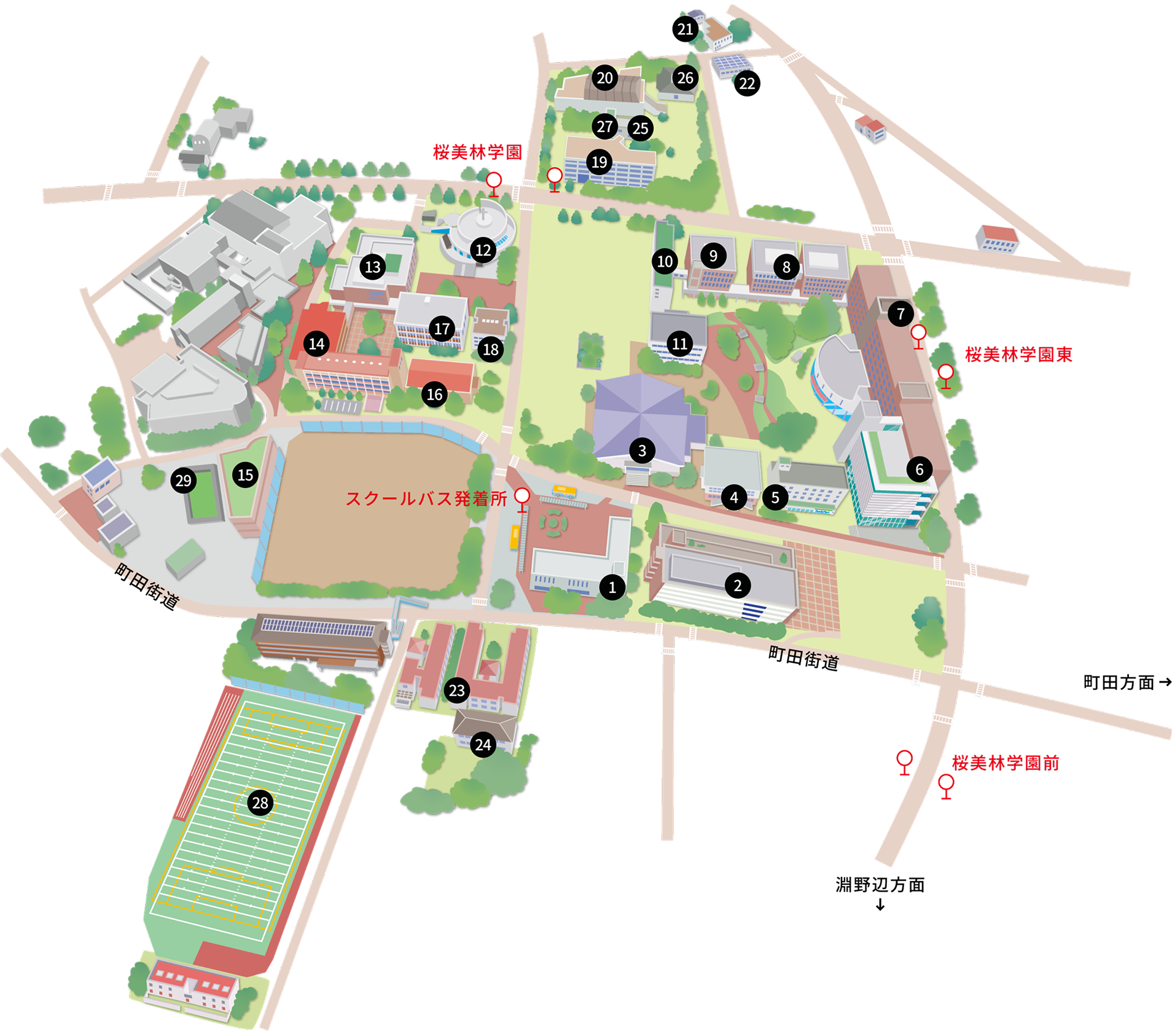
Machida Campus Campus Map

Facility Introduction

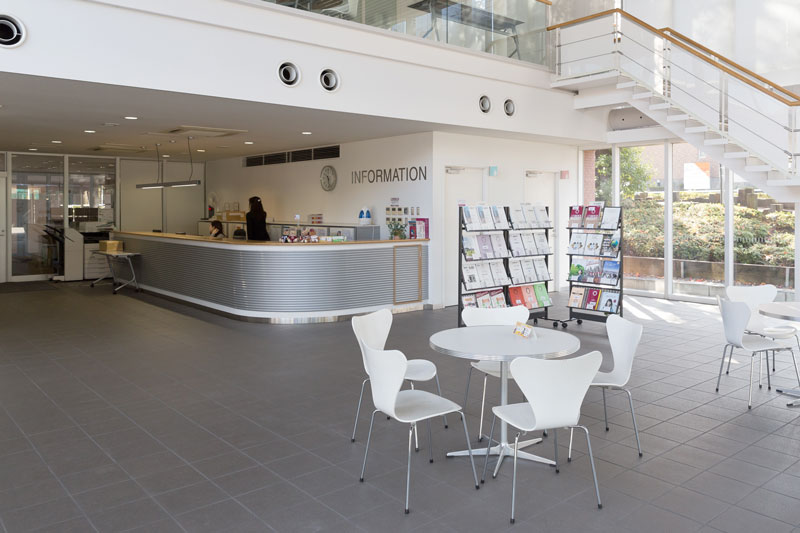
Image of the information center

Information Center

The Information Center on the first floor of Ichiryukan is available for inquiries about J. F. Oberlin University, questions about entrance exams, and individual consultations.

TEL: 042-797-1583
Opening hours: [Weekdays] 9:00-17:00 (Closed on Saturdays, Sundays, national holidays, and university-wide holidays)
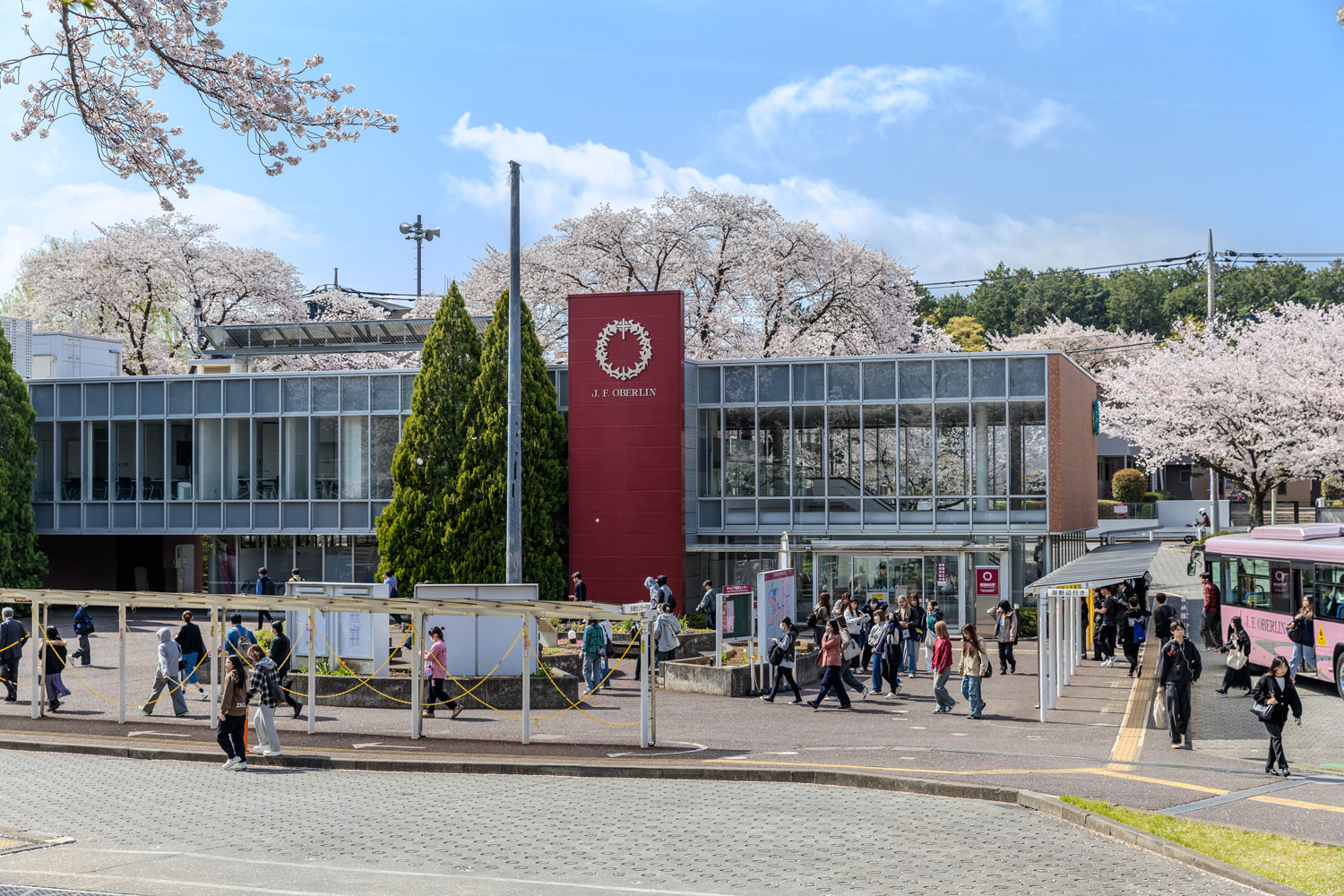
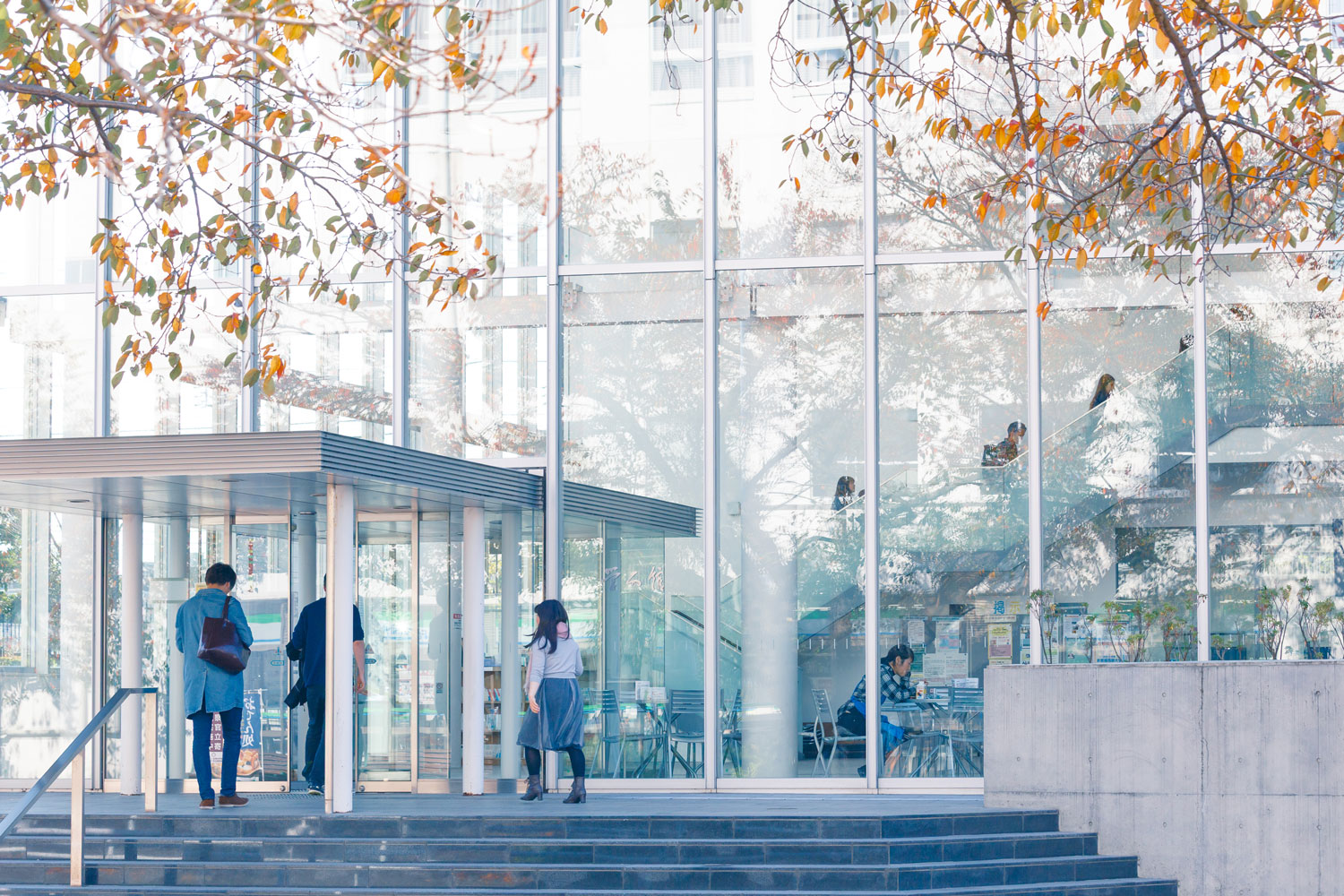
1Ichiryukan

Ichiryukan

The information center on the first floor is a contact point for inquiries about J. F. Oberlin University, questions about entrance exams, and individual consultations. There are also health and hygiene support rooms and student counseling rooms that support students both mentally and physically.
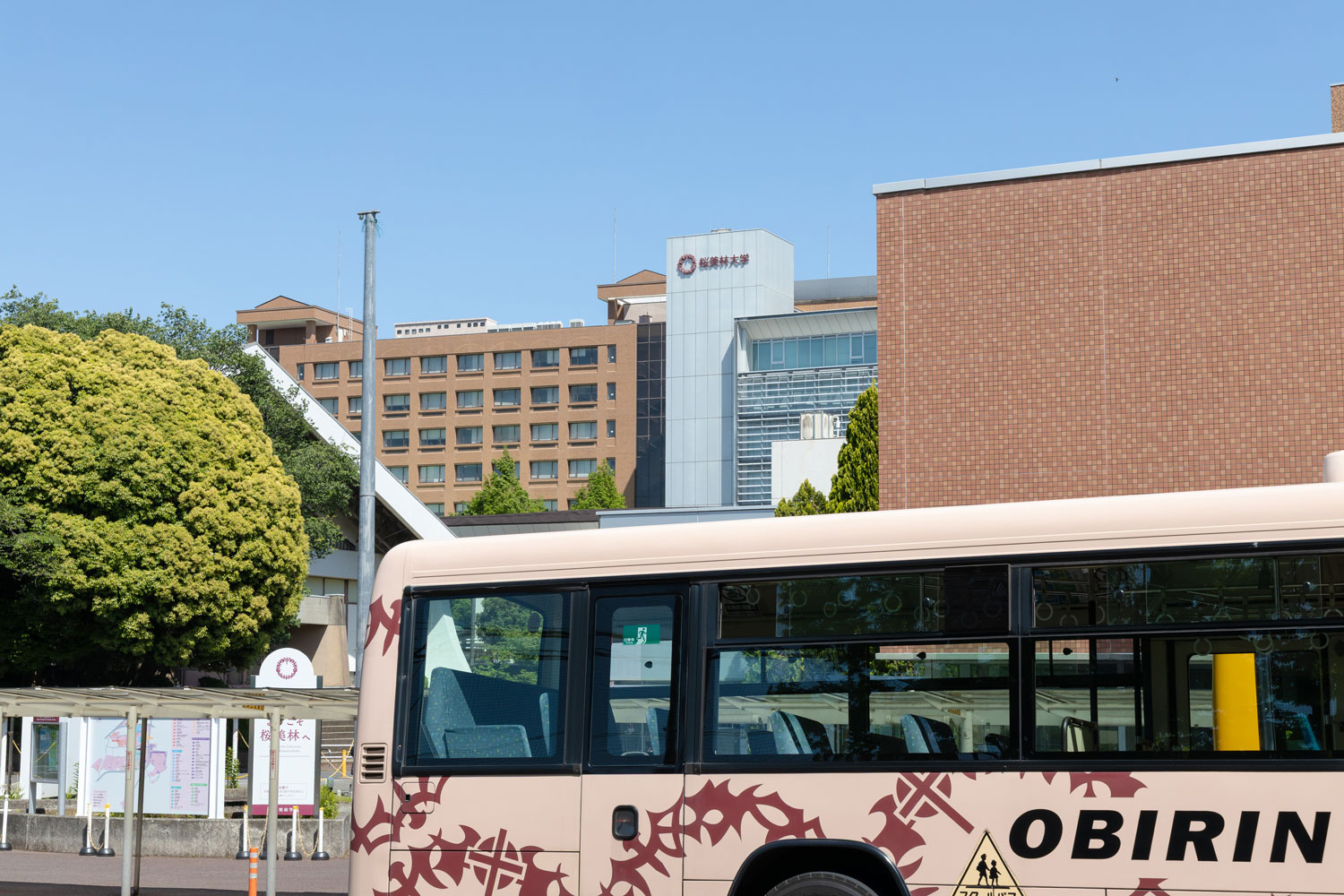
There is a school bus stop in front of Ichiryukan, and school buses run back and forth between Fuchinobe Station and Tama Center Station.

Meaning and Origin of the School Name
It is inspired by the words of the Bible, so that students studying at Obirin will bear much fruit from a single seed.

2Gakujikan

Gakujikan

In addition to the "International Exchange Center," "Service-Learning Center," and classrooms, there is the "Cornerstone Center," where students can consult about various matters related to their studies, the "Writing Support Center" that assists with foreign language document creation, and the "Japanese Learning Resource Center," which supports international students' Japanese studies.

Meaning and Origin of the School Name
The school was named after the school's motto, 'Learn and serve others.'

3Koshi Gymnasium

Koshi Gymnasium

It is used for classes and club activities. In addition to sports, the gymnasium is also used for stage events such as concerts at the university festival.

Meaning and origin of the school building name
It's commonly known as the Old Gymnasium. The gymnasium that was originally at Chongzhen Academy in Beijing, the predecessor of our university, was confiscated after the end of the war. This new gymnasium was then a gift from God.

4Shikatokukan

Shikatokukan

The gym is equipped with exercise bikes and various strength training machines, which students can use freely. Rackets and balls are also available for rent. The second floor is a judo dojo, and the third floor is a kendo dojo.

Meaning and origin of the school building name
When you break down the "Bu" in "Budo" (martial arts), it means stopping the spear, or in other words, the non-use of weapons. The name was chosen based on the founder's belief that true martial arts lead to peace.

5Seiyukan

Seiyukan

This is the clubhouse where all the club rooms are located. The convenience store on the first floor sells Obirin University merchandise and has an ATM. Furthermore, we can assist with finding accommodation and arranging travel.

Meaning and origin of the school building name
The name comes from hymn 452. It was also named in 1976 as a commemoration of the Obirin High School baseball team's victory in the Summer Koshien Tournament, after the "Seiyu Ryokan" (in Nishinomiya City) where they stayed at the time.

6Meimeikan

Meimeikan

In addition to classrooms and computer labs, there are lounges on the 1st and 8th floors that can be used freely.

Meaning and origin of the school building name
The name is derived from the term "Meimeitoku," which appears in "Daigaku," one of the Confucian classics, and in Nakae Tōju's "Sen Mondō." "Meimeitoku" means to reveal the excellent qualities, or "Meimeitoku," that humans possess from birth, by eliminating selfish desires.

7Taiheikan

Taiheikan

The building houses classrooms, a computer lab, and faculty research labs. A cafe in the lounge on the first floor sells freshly baked bread.

"Taihei" means a time of peaceful and tranquil order in the world. The name comes from the line in the school song of Obirin Gakuen at the time of its founding, "Let us cultivate the Yamato spirit that will pave the way for peace for all eternity." It was also named in reference to the fact that the opening ceremony of the Chongzhen Girls' Technical School was held at Taipingcang, outside the Chaoyangmen Gate in Beijing.

8Suuteikan

Suuteikan

In addition to faculty research labs and seminar rooms, there is a "workshop" that can be used by both students and faculty. On the first floor, there is a student cafeteria called "Sakura Cafe" which offers a wide variety of menu items.

Meaning and origin of the school building name
The name Chongzhen originates from Chongzhen Academy (founded in 1921), which was established outside the Chaoyangmen Gate in Beijing, China, by the academy's founder, Yasuzo Shimizu.

9Eikokan

Eikokan

The administrative office of Obirin Gakuen is located here.

Meaning and origin of the school building name
This quotes Romans 5:2 from the New Testament: "By faith we have been led into the present grace and we have gained great confidence in the hope of the glory of God."

10Sekigakukaikan (a hall for scholars of great learning)

Sekigakukaikan (a hall for scholars of great learning)

The building houses research labs and classrooms, and the "Career Support Department" on the second floor provides assistance to students with their job-hunting activities.

Meaning and origin of the school building name
The character 碩 (seki) means "great," and a scholar of great learning is called a sekigaku tsūju. This building, which was formerly a research building, embodies the founder's encouragement that the faculty members of Obirin University should become leading figures in all fields of learning.

11Taibokan (Longing Hall)

Taibokan (Longing Hall)

It's a building located almost in the center of Keyaki Square, and it has classrooms that can accommodate a large number of people.

Meaning and origin of the school building name
The name was taken from the word "taimang" (meaning "waiting for the land of the gods") found in the Book of Later Han.

12Keikando

Keikando

Commonly known as the Chapel, the Iki Kando was completed in December 2007 to commemorate the 60th anniversary of J. F. Oberlin Gakuen. This building symbolizes J. F. Oberlin Gakuen, a Christian school.

Meaning and Origin of the School Name
The "crown of thorns" refers to the crown of thorns that Christ wore when He was crucified. The J. F. Oberlin University symbol is the Three-Nails Crown, adorned with three nails, symbolizing 'passing through hardship to glory,' representing the spirit of Christ dedicated for the salvation of all humanity.

13Science and Technology Museum

Science and Technology Museum

In addition to facilities such as chemistry laboratories and astronomical observatories used in natural science classes, we also have lab and practice rooms for psychology and College of Health and Welfare classes.

Meaning and Origin of the School Name
"Rikaku" refers to physics and chemistry, but it was originally used as a general term for Science. The museum was named 'RIKENKAN' with the hope for the enhancement and development of comprehensive science and natural science education, including physics and chemistry, at Obirin.

14Sullenberger House

Sullenberger House

College of Health and Welfare is used for classes and includes practice rooms for welfare and childcare. The "Training Support Center" supports various on-site training conducted off-campus.

Meaning and Origin of the School Name
Pastor Salenberger, who was once a chaplain at Atsugi Air Base, donated the donations collected every Sunday to our university when he left Japan. The main school building was named Salenberger House in gratitude to the pastor, as it was constructed on land created by this donation.

15Rojitsukan

Rojitsukan

Meaning and origin of the school building name
The name comes from the word "rōjitsu," which means "being well-versed in that matter and also being sincere."

16Itokukan

Itokukan

There is a large lecture hall and the Obirin Junior and Senior High School Alumni Association room.

Meaning and origin of the school building name
This comes from Lao Tzu's proverb, "Repay resentment with virtue."

17Santo Library

Santo Library

This historic six-story building was completed in 1970. The total collection is approximately 520,000 volumes. You can browse 5,700 academic journals and about 60 newspapers from around the world. We also offer various DVDs and video rentals.

J. F. Oberlin University Library website


Meaning and Origin of the School Name
The Three Approaches are Zhu Xi's words describing the three essential things for reading: mindfulness and insight. Mouth is satisfactory. It means reading and savoring thoroughly with your heart, eyes, and mouth.

18Library branch

Library branch

Used as a book storage area for the Santo Library. Microfilms and other materials are stored here. Access is restricted to library users.

19Tokubokan

Tokubokan

College of Global Communication used in classes. At Brown Bag Cafe, the rule is that 'English is used only,' providing practical opportunities for native English students to learn English.

Meaning and Origin of the School Name
He took inspiration from the founder's beloved verse, "Though you do your best, you will not lose your hope" (2 Corinthians), and found hope (to be satisfied). Also, in an old Chinese saying, 'virtue is not gained,' so I used '徳望' (徳望). It also carries the meaning of virtuous reputation (reputation).

20Yutaiikukan (Yūtaiikukan)

Yutaiikukan (Yūtaiikukan)

It is used for classes, club activities, etc. There is a "Sports Promotion Center" inside the building.

Meaning and origin of the school building name
Similar to the name "Kōshi Gymnasium," it means "another gift from God."

21Tadao Building (University Co-op)

Tadao Building (University Co-op)

J. F. Oberlin University There is a co-op.

22Clinical Psychology Center (Rinsho Shinri Sentā)

Clinical Psychology Center

At research and educational institutions specializing in clinical psychology, graduate students specializing in clinical psychology provide counseling services addressing the mental health issues faced by local residents.

Clinical Psychology Center

23Reimeikan (Dawn Museum)

Reimeikan (Dawn Museum)

This is the clubhouse where the athletic and cultural club rooms are located.

24Doshikan

Doshikan

This facility offers accommodation and is used for club activities, seminars, and other training programs. It is equipped with a cafeteria, washrooms, toilets, and showers, and can accommodate overnight camps when accompanied by university faculty or staff. Reservations are handled by the Student Life Support Division.

25Research Building A

Research Building A (Obirin Materials Exhibition Room)

There are the Yasuzo Shimizu Memorial Project Archives and the School History Archives. The first floor houses the "Obirin Archives Exhibition Room," which displays the history of Obirin Gakuen through various documents.

26Research Building B

Research building B

In addition to faculty research labs, the Institute of Gerontology, and the Institute of Health Psychology and Welfare, there is also a graduate school health psychology laboratory, as well as the "Hands-on Gallery for Discovering Different Cultures," which displays ethnic clothing, everyday objects, musical instruments, and more from around the world.

27Research Building D

Research building D

It is used as a library for the university's educational center and as a storage facility for museum materials.

28Sakura Ground

Sakura Ground

Sakura Ground is a 9,100 square meter field used for soccer, rugby, American football, track and field, and other sports.

29Shiunkan

Shiunkan

This is a newly completed wooden archery range, finished in 2017. It can accommodate up to 12 people shooting arrows.

Meaning and origin of the school building name
Among the teachings of the Owari Chikurin school of archery, there is a poem that describes the mindset required for training: "The smoke that rises morning and evening from the thatched hut, when will it become a purple cloud?" This means that even the thin smoke that rises morning and evening from the small hearth in a thatched hut will, if repeated, thicken and eventually become a purple cloud (the highest rank) drifting across the sky. This doctrine emphasizes the necessity of continuous training. The name of this building, "Shiunkan," is derived from this teaching.