Environmental education and social contribution initiatives
Index
The university offers an environmental curriculum that has been certified by the Tokyo Metropolitan Government's "ECO-TOP Program," promoting environmental education and human resource development for its students, while also providing environmental education programs that are open to the local community. Furthermore, student-led activities in collaboration with the local community and international cooperation are also active. Since 2010, the university has been publishing its initiatives in an environmental report.
ECO-TOP Program
Since fiscal year 2010, J. F. Oberlin University has been certified by Tokyo Metropolitan Government for the "ECO-TOP Program" (Human Resource Development Program for Natural Environment Conservation). This is a Tokyo Metropolitan Government's program aimed at fostering and sending out to society the cooperation of universities, companies, government agencies, and NPOs who possess broad knowledge and can actively act in the field of natural environments, in order to preserve the natural environment in order to build a sustainable society in the future.
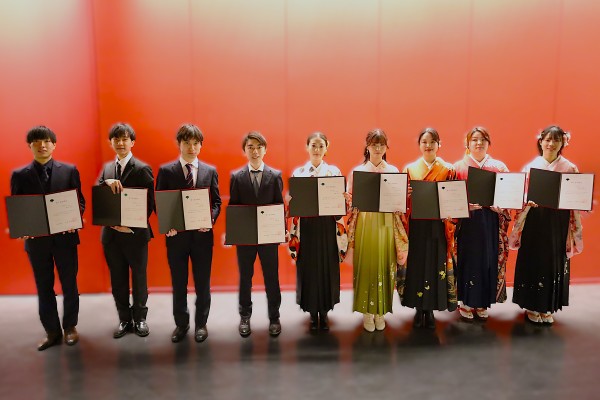
Students who complete the required courses in accredited university and graduate school programs will receive a certificate of completion from the Tokyo Metropolitan Government, and the Tokyo Metropolitan Government will also provide follow-up support to graduates after graduation.
There are compulsory and elective required courses, so if you aim to obtain qualifications, it is recommended to study in a planned manner. College of Arts and Sciences If you have a major or minor in the Environmental Studies program, it is easy to earn credits, but even if you do not have a major or minor in Environmental Studies, students outside the College of Arts and Sciences can still earn certification. Students wishing to obtain certification must register with the Academic Affairs Office.
College of Arts and Sciences (Environmental Studies Major Program) was accredited in 2009 for the "ECO-TOP Program" (Human Resource Development Program for Natural Environment Conservation). The ECO-TOP Program is a human resource development and certification system established by the Tokyo Metropolitan Government since fiscal year 2008 to train generalists focused on the natural environment. Students who earn the required credits in accredited university or graduate programs are issued completion certificates by the Tokyo government. Every year, a dozen or so students take on the challenge.
International Cooperation Training Program
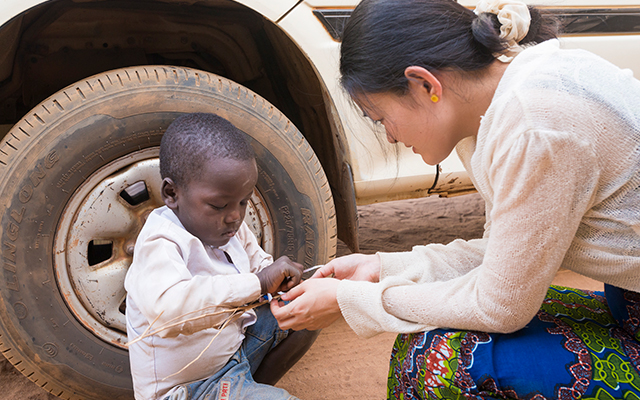
One of the short-term study abroad programs offered at J. F. Oberlin University is international cooperation training. The goal of this program is to actually visit developing countries, use their five senses on the ground to re-recognize the current situation and challenges of developing countries, and to deepen their own perspectives on international cooperation and NGO activities through interactions with people facing various problems and those involved in international cooperation on the ground, thereby laying the foundation for making appropriate contributions to the international community. One of the international cooperation training programs, the Philippines International Cooperation Training Program, focuses on the theme of "Environment, Poverty, and Development." Through learning and experiencing support for people forced to rely on urban "garbage heaps" and those living on the streets, as well as regional development that considers natural environment conservation in rural areas, students learn about the relationship between environment, poverty, and development.
Social contribution
Holding a public Events for elementary school students
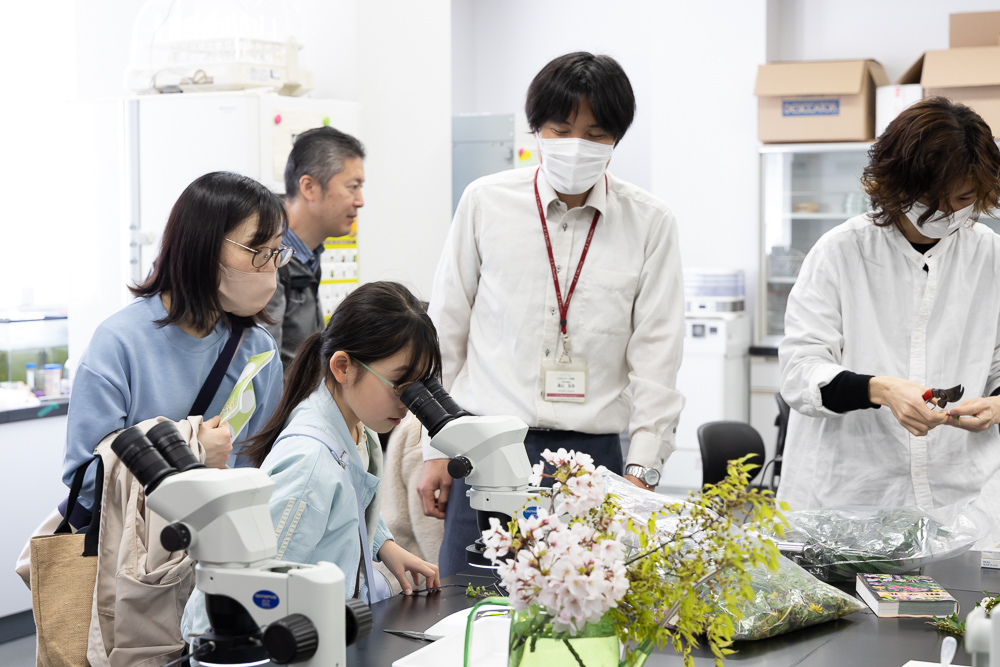
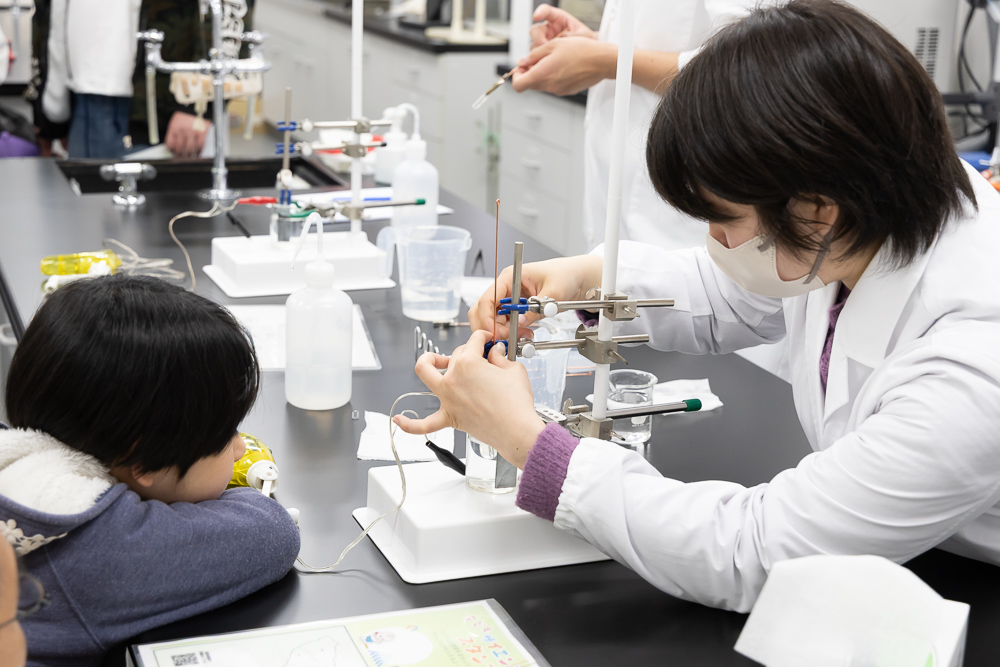
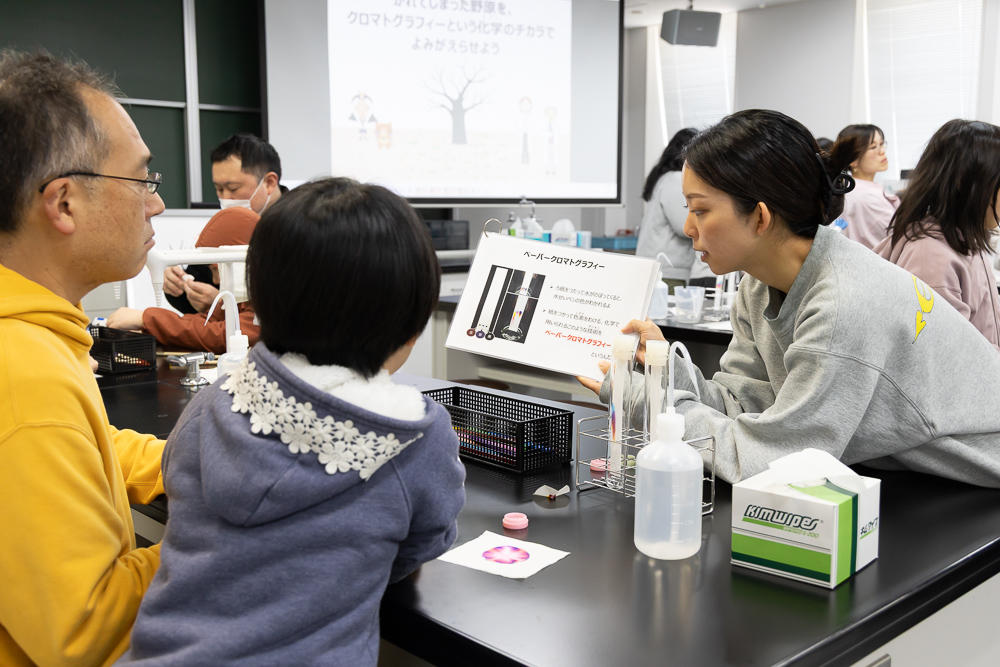
Every year, we hold a "Science Classroom" for elementary school students and their guardians in and around Machida City, where they can experience experiments, observations, and crafts in the fields of science, environment, and energy.
In an era where it is said that children are losing interest in science and mathematics, our aim is to spark their interest in natural sciences by providing them with opportunities to experience experiments, observations, and crafts that are not possible in elementary school.
Through this science workshop, we hope to not only foster an interest in natural sciences but also contribute to developing critical thinking skills. We also hope that it will serve as an opportunity for parent-child communication.
In an era where it is said that children are losing interest in science and mathematics, our aim is to spark their interest in natural sciences by providing them with opportunities to experience experiments, observations, and crafts that are not possible in elementary school.
Through this science workshop, we hope to not only foster an interest in natural sciences but also contribute to developing critical thinking skills. We also hope that it will serve as an opportunity for parent-child communication.
Sakaigawa Cleanup Operation
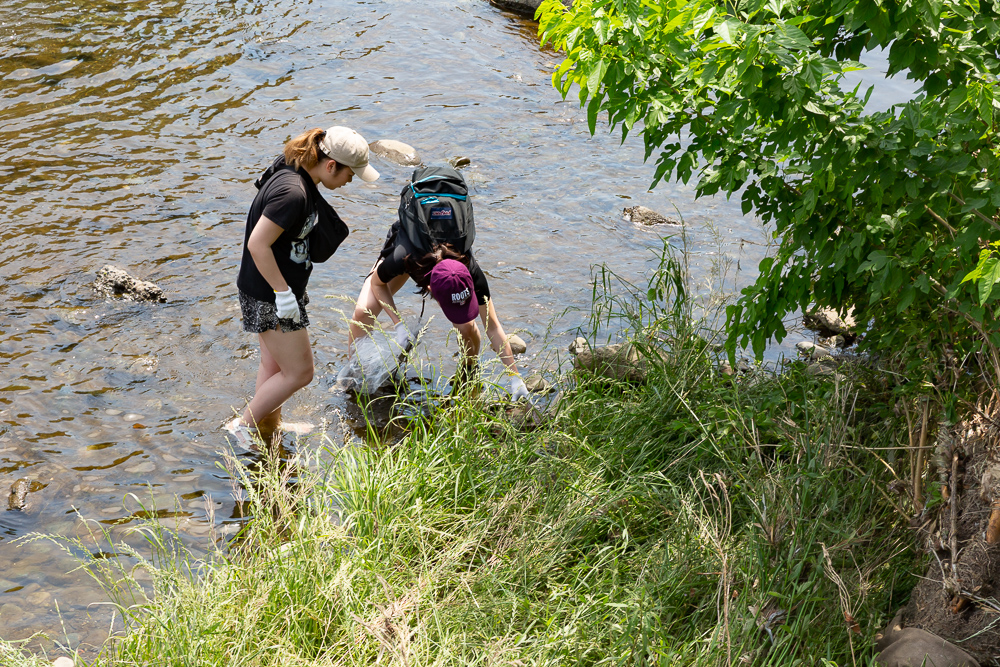
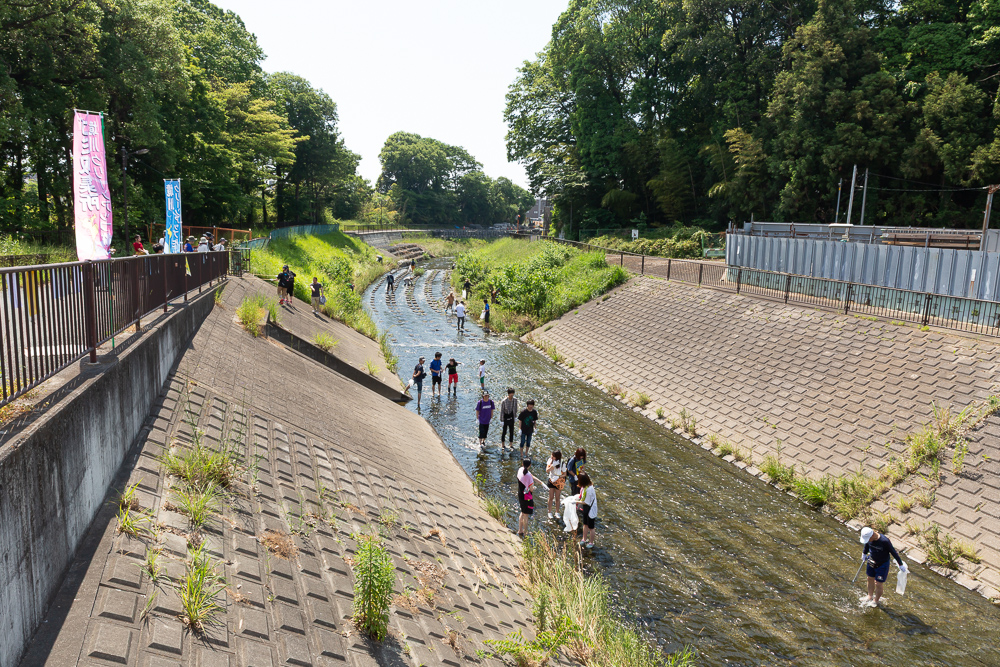
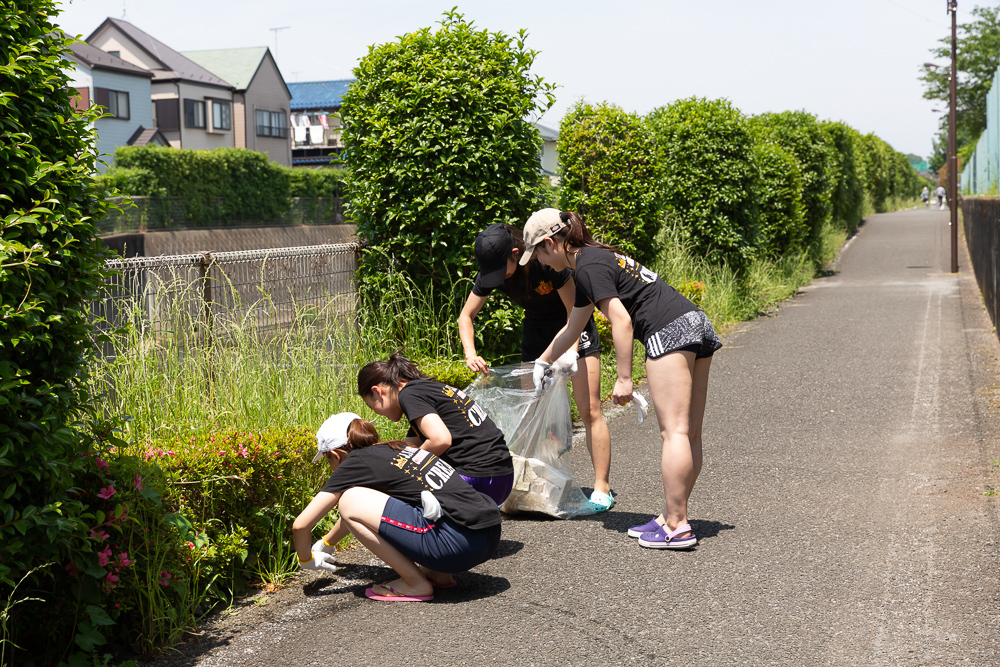
Every year, we participate in the "Sakaigawa Cleanup Operation," sponsored by Sagamihara City and Machida City, and many students, pupils, and faculty members take part each year.
This Events aims not only for environmental conservation but also for exchange and community development across the administrative divisions of Machida and Sagamihara, which share living and economic zones, through cleanup activities on the Sakai River flowing between Machida and Sagamihara City. Through this cleanup activity, interactions beyond age have been created with neighborhood associations and other participating organizations in Machida and Sagamihara cities.