Kaito Naiki
global·
Communication Studies
4th grade

J. F. Oberlin University" College of Global Communication (GC School)," where many international students study and learn multiple languages and cultures. This time, we invited members of the GC School, including local children and international students who cook local dishes in their native languages Events "Cooking in the World's Languages," gathered as participants. True to the name "Communication," it was impressive communication skills, but some people said, "I was never someone with strong communication skills to begin with..." Even those who lack confidence in their communication skills can turn into a communication skill ghost J. F. Oberlin University We will take a deep dive into the appeal of the GC School.
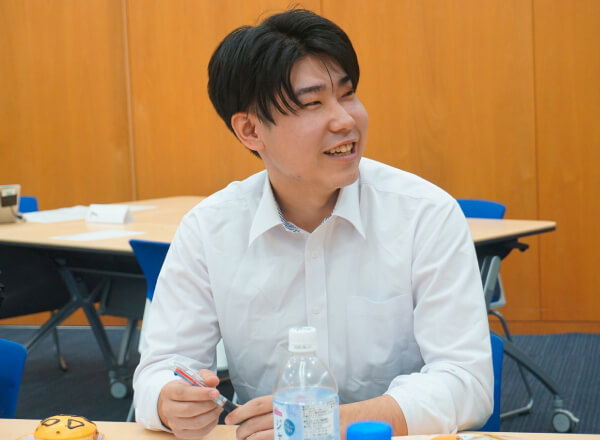
Kaito Naiki
global·
Communication Studies
4th grade
One of the planning members for 'Cooking in the Languages of the World.' Engaged in Events planning, communication with Machida City, and scouting international student instructors.
Sanshiro Tobita
global·
Communication Studies
4th grade
She volunteered for "Cooking in the World's Languages." A proactive individual who started her own group during a period of limited social interaction due to the pandemic.
Nara Putra Taul
global·
Communication Studies
4th grade
An international student from Indonesia. She teaches the "Let's Make Martabak in Indonesian!" course at "Cooking in the World's Languages."
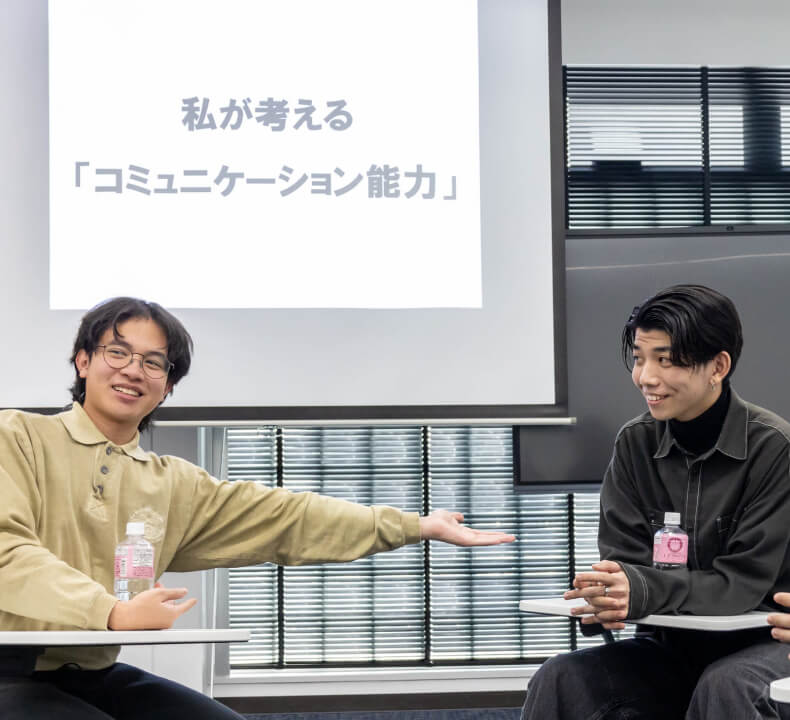
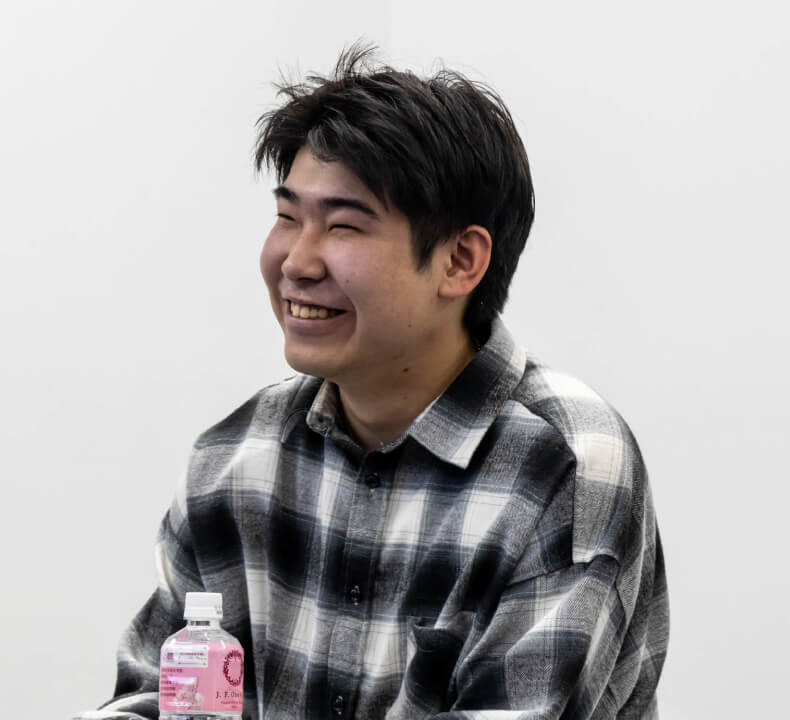
Naiki:My name is Kaito Naiki. I think I'm a very talkative person (laughs). I'm always saying silly things, so maybe that helps with my communication skills? I think I'm the type of person who likes to talk to people.
Tobita:My name is Tobita Sanshiro. I don't think I'm some kind of communication monster or anything like that, but I think I've done everything I thought I should do over the past four years, so I think I have some initiative.
Nara:My name is Nara Putra Taul. I'm from Jakarta, Indonesia. When I came to Japan in 2019, I couldn't speak any Japanese at all. At first, I relied on gestures and body language, and listened to people since I couldn't speak. I think I'm better at listening than speaking.
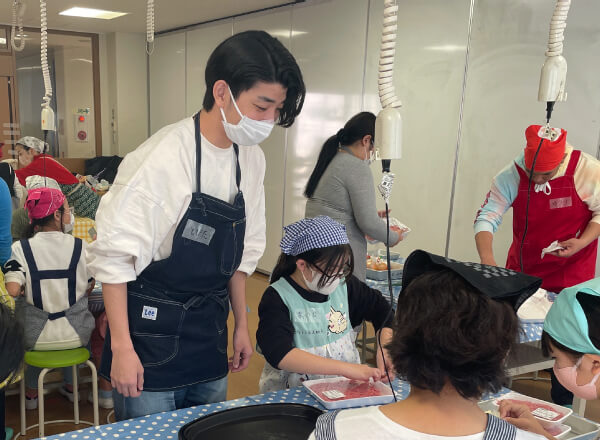
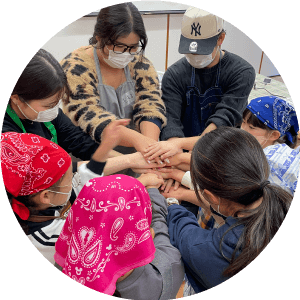
Naiki:This event is held with the aim of allowing children to enjoy learning about languages and cultures other than Japanese through cooking in multiple languages. We hope that by meeting people from other countries and experiencing their languages and cultures, children will develop an understanding of and respect for other nations.
The program consists of five sessions, and two have been completed so far (as of the time of this roundtable discussion). The first session was held in the Philippines, and the second in South Korea, with international students from Obirin University teaching children as instructors. Tobita-kun is participating as a volunteer, and Nara-kun is scheduled to participate as an instructor in the future.
Nara:This is my fifth and final time.
(Nara was the instructor for the 5th "Let's make martabak in Indonesian!" session.)
Naiki:This project was conceived as part of Machida City's "Machida Youth Grand Strategy," with the application requirements being that young people living in Machida City or students of universities in Machida City take on the challenge.
When we thought about what makes Obirin University so great, we realized it has a lot of international students, and since we're all majoring in English, we decided to use our language skills. And that led to this project, where we combine cooking with our language skills.
Tobita:The teacher invited me, saying, "Would you like to participate in this kind of Events?" and I joined. Since I'm not on the planning side, I go to the venue with Pong to help out, and I enjoy chatting with the children. After that, when asked to suggest improvements in planning and management, I just do it.
Nara:My turn hasn't come yet, but the dish I'll be making is decided: Martabak, which is similar to Japanese dorayaki. The hardest part of cooking in a foreign country is the ingredients, so I'll be using things that are available in Japanese supermarkets, but I plan to try out various things from now on.
(Were they making it in Indonesia?)
Well, I suppose some families make them, but I used to buy them from a store.
Even in Japan, dorayaki aren't made that often, right?
All:I won't make it! (LOL)
Nara:But it's not impossible to make it (lol).
Tobita:While the main focus is on the children interacting with each other, we talk to them as if we were chatting with someone their own age. By not treating them like kids and instead engaging in lively conversations about popular video games, we've actually become like real friends.
Naiki:I have communication with people from Machida City's 'Children's Center TadaON,' who support the planning and implementation of this Events.
Next time, since I'm the person in charge, during the preview we communicate to check what's in this place and how to arrange the flow of traffic.
Since I'm the one above me, I try not to be rude. I don't know if I'm saying it without realizing it (laughs).
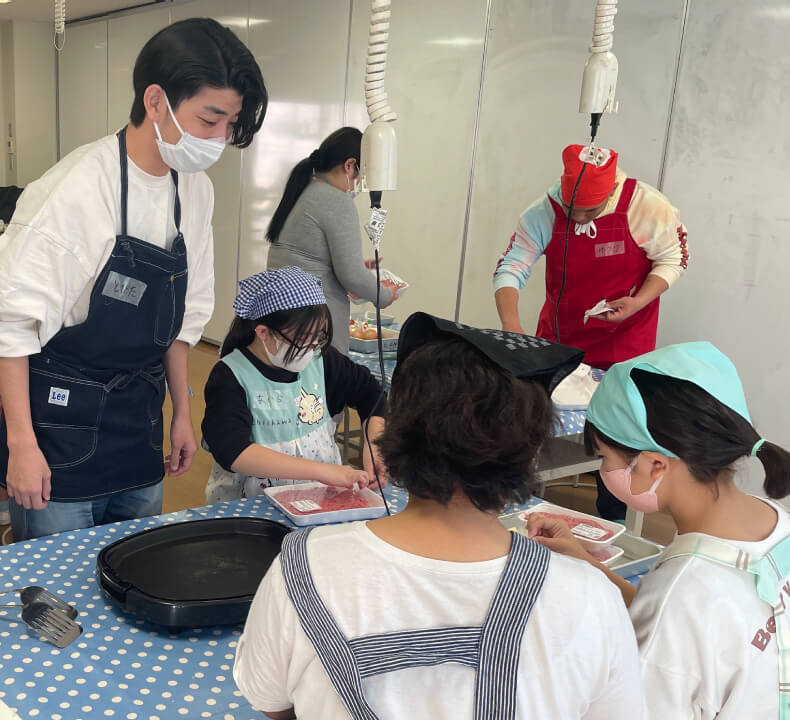 Part 1: Let's experience Filipino food, culture, and language!
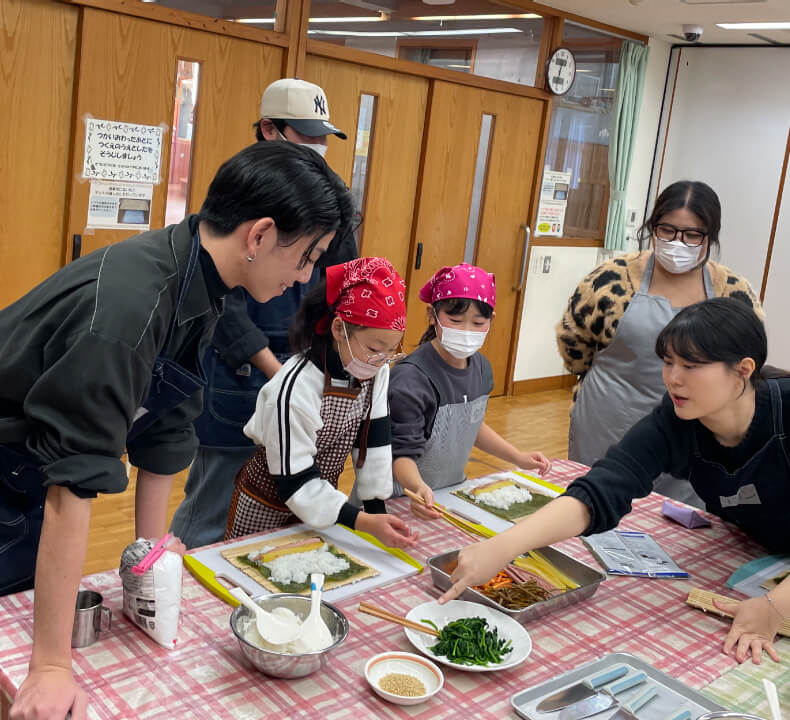 Part 2: Let's make kimbap in Korean!
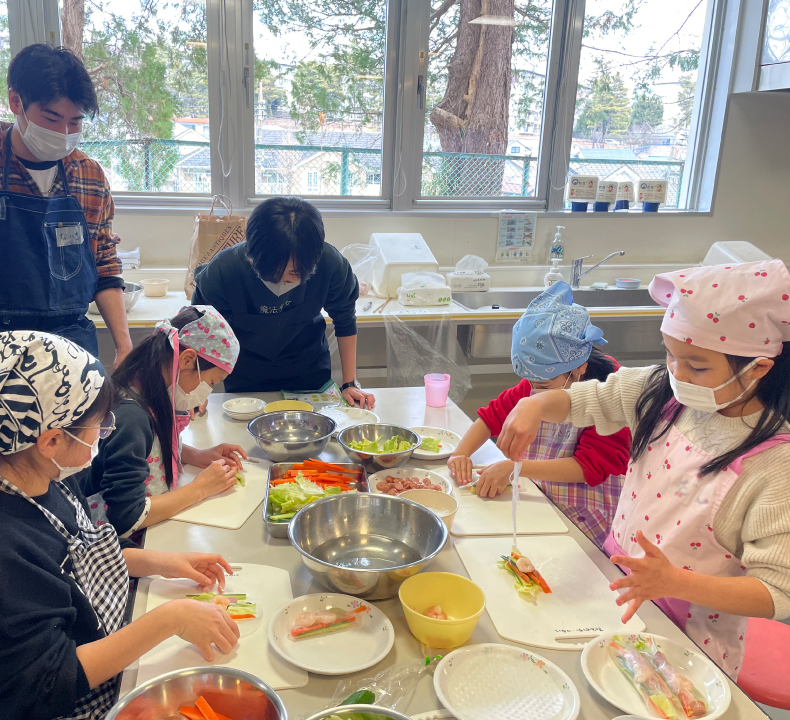 Part 3: Let's make Goi Cuon in Vietnamese!
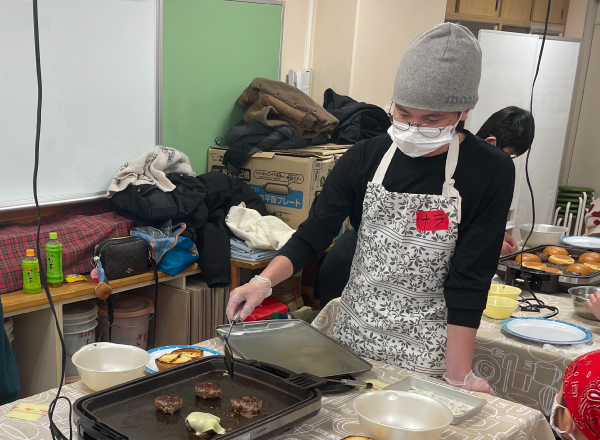
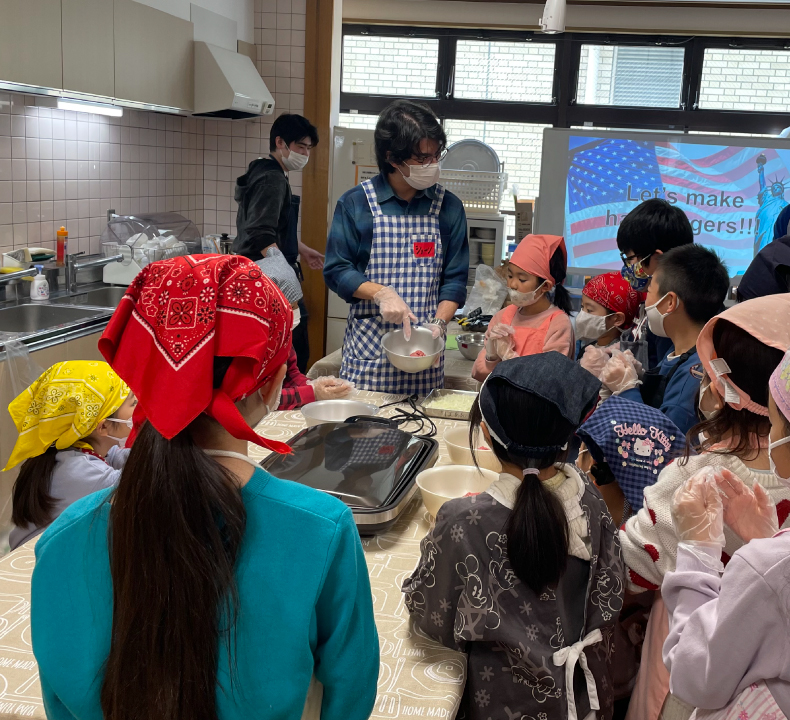 Episode 4: Let's make hamburgers in English!
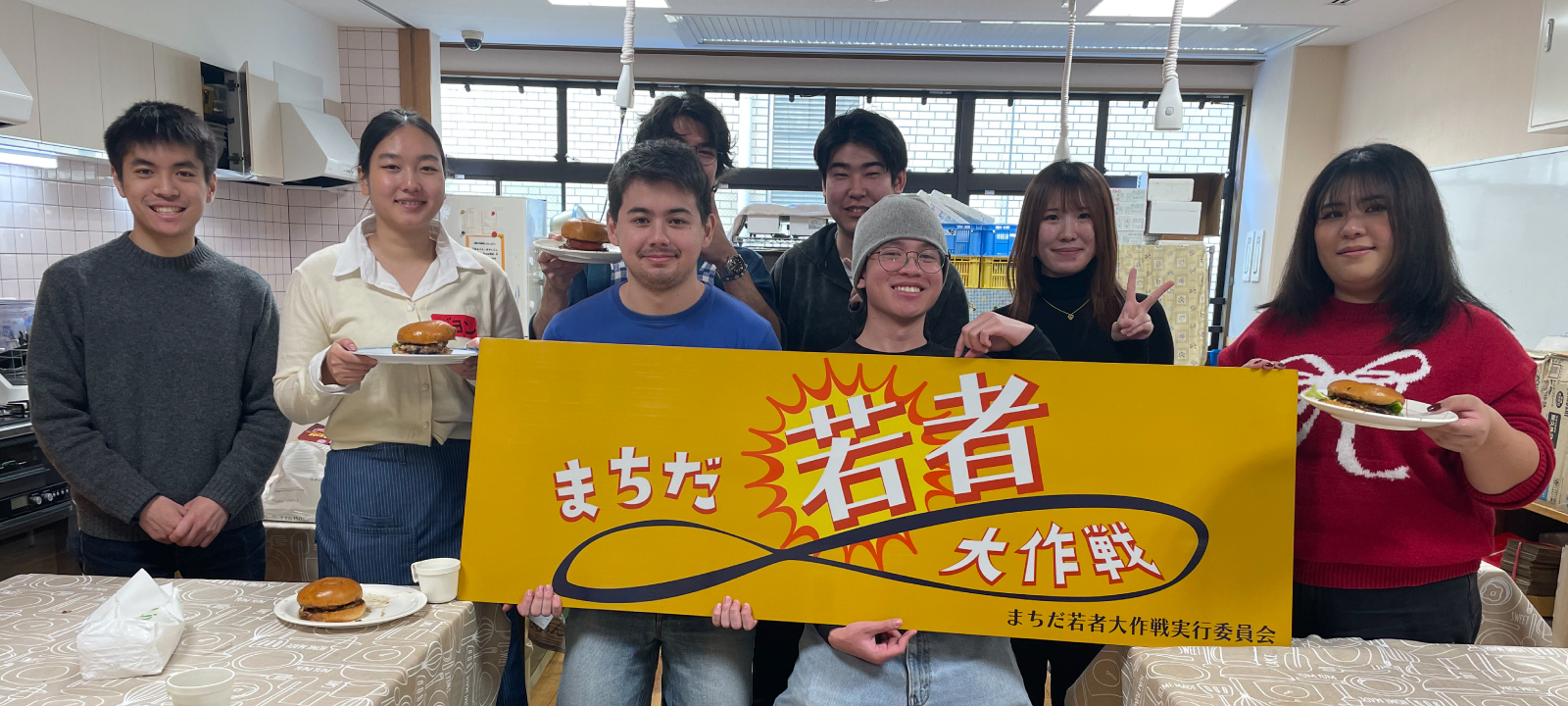 Machida Youth Operation
Nara:When I came to Japan, I wasn't very anxious about whether I would make friends. Before studying abroad in Japan, I participated in a Events in Indonesia where people from several countries gathered, and even though not everyone spoke Indonesian or English, I was able to make friends. Because I was able to make friends without words before coming to Japan, I thought I could manage somehow when I went to Japan. Of course, I was worried, but I was never extremely worried.
When talking with people from other countries, I consider their culture. For example, I thought Japanese people tend to be more reserved, so I took it slow and calmly, and that led to better communication.
But even though I've been in Japan for five years, there are still some lively and lively Japanese people (laughs).
Tobita:I'm a very shy person, and when I entered university, classes were online due to the pandemic, so I was constantly worried about whether I would be able to make friends. So, when in-person classes finally started, the thing I made sure to do was not to be too respectful to others. If you're too formal, people tend to draw a line between you and them, so I tried being a little cheeky, and naturally, I started to make more friends.
I started the club because even though I had become good friends with some people, we didn't see each other as often when there were no classes, and since I live really far away, it was difficult to hang out with them casually. I wanted to create some kind of place where we could belong.
Naiki:Since there's another person involved, it's important not to just talk about yourself, but to be a good listener and show interest in them. Even if the topic doesn't initially interest you, you can empathize if you understand how they think. If you want to get to know the other person, your communication skills will improve.
Nara:Communication involves two or more people, so it will never work if you only think about yourself. Therefore, I think the key to good communication is to consider the other person's perspective.
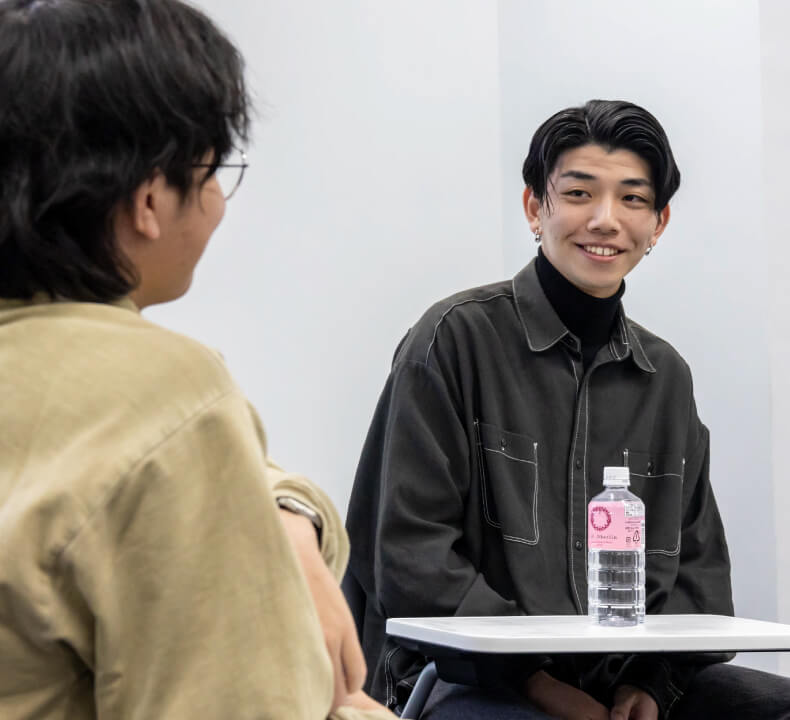
Tobita:That's unusual (lol).
I think he has great communication skills, but they're unique. They're not exactly conventional. It's like, his communication skills aren't exactly polished (laughs).
Naiki:Ah, I guess there are some things about me that are different from other people. People with really good communication skills are the ones who proactively strike up conversations, but I'm more of the type who gets teased by others, then I play along, and that's how I become friends with people.
I think my communication skills are probably different from the type that people generally imagine, and I'm probably taking an unconventional path. But yes, I accept it (laughs).
Nara:When I first met Kaito, I thought, "Wow, this guy has such a great smile."
(Looking at Naiki's smile)
That's right! I think that smile gives people who meet you for the first time the impression that "I might be able to talk to this person." So, I realized that even just smiling without saying anything is a form of communication skill.
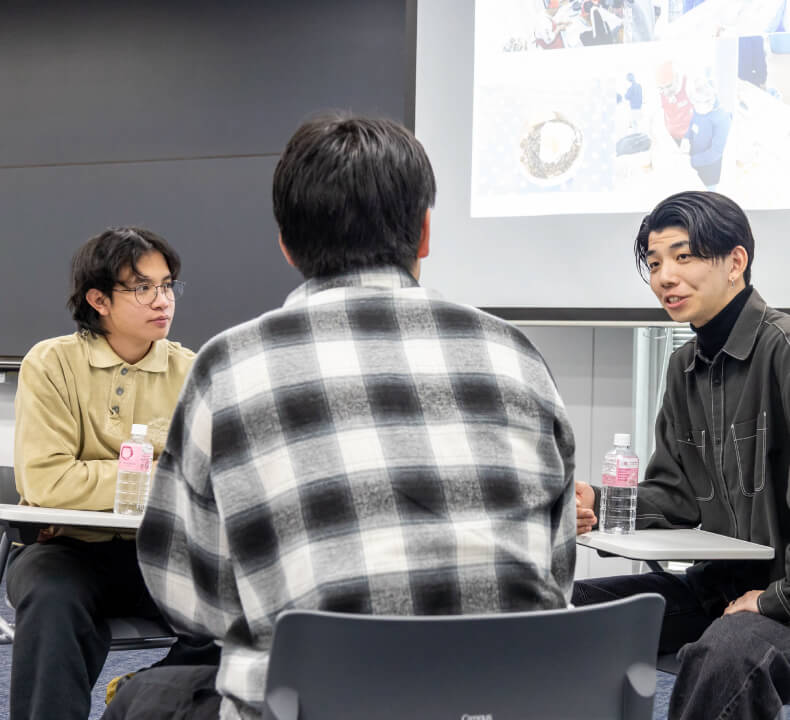
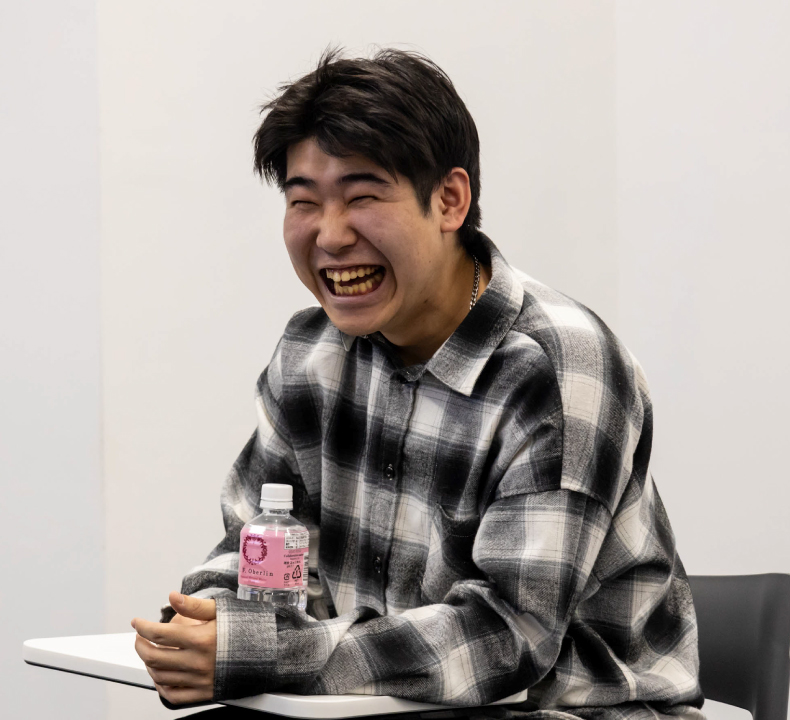
Nara:It's incredibly well done. It's not because I'm not Japanese, but the Japanese is beautiful.
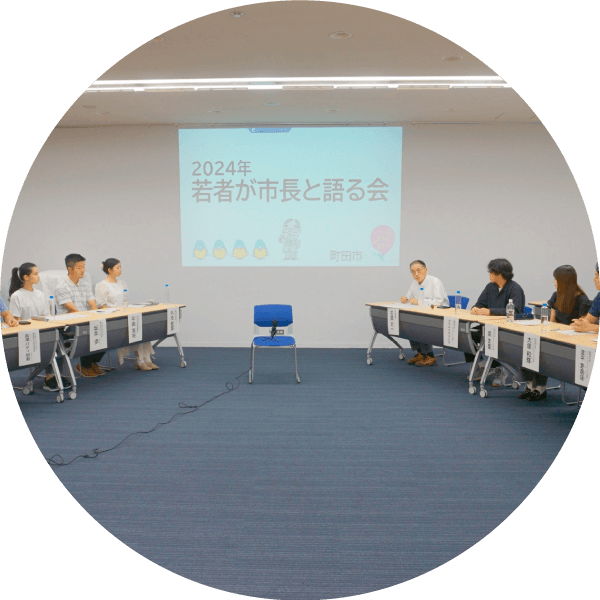
Also, whenever no one knew what to say, Ms. Tobita would take the lead and say, "Okay, I'll speak," kind of like a captain (laughs). When we participated in the "Young People Talk with the Mayor" meeting, she also played a captain-like role.
Naiki:Tobita-kun said he doesn't have good communication skills, but I think he actually does. We're together in classes and clubs, and he's very observant of what's going on around him. For example, if there's a long silence, Tobita-kun will take the initiative to start a conversation, and when we're divided into groups in clubs, he goes to every group and talks to them. It's really impressive to watch.
Tobita:I'm so happy!
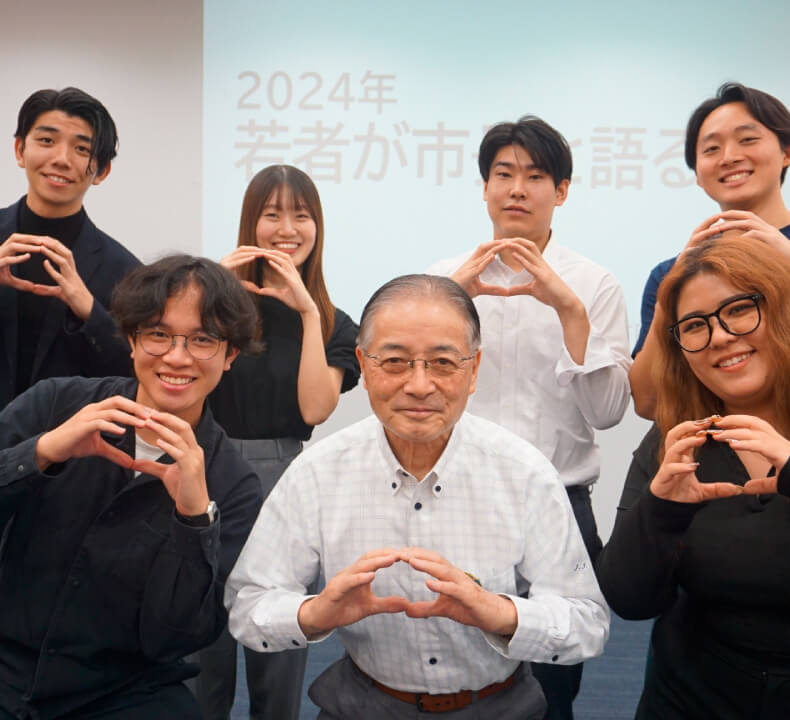 At the "Young People Talk with the Mayor" event, I met with Machida Mayor Joichi Ishizaka.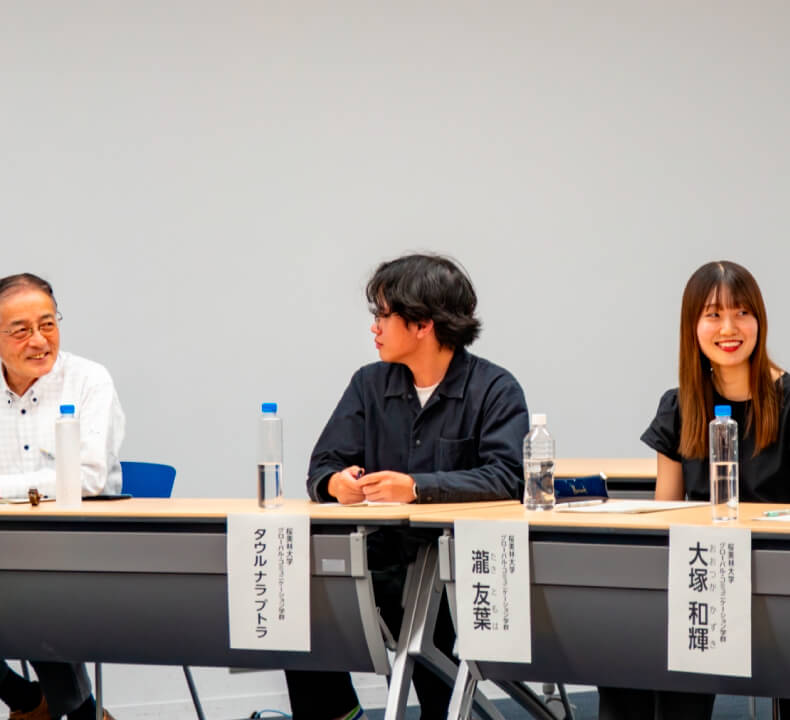
Tobita:He's made friends with far more Japanese people than I have, even though I'm Japanese myself, and people are constantly flocking to Nara. That's amazing. It's incredible that he can make friends so quickly even though Japanese isn't his first language, and it's amazing that he can express his opinions and that he enjoys listening to others—isn't that the ideal communication skill? He perfectly embodies the "global Obirin" spirit.
Naiki:I've studied abroad myself, so I understand how difficult it can be to communicate in a foreign country. You hesitate when you speak, right? You worry about what will happen if you make a mistake, but I didn't have any of that worries at all. And I became friends with Japanese people right away.
Also, she always listens with a kind smile. No matter what I say, she's really gentle and reassuring, like "It's okay," making it easy to talk to her, and I always end up leaning in and saying "Nara~". I think that's a really great thing about her.
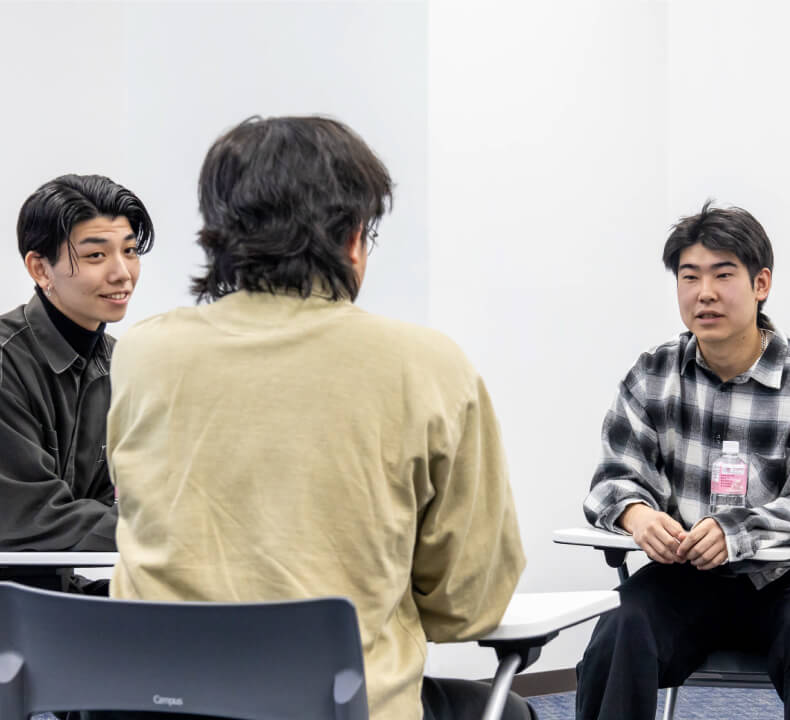
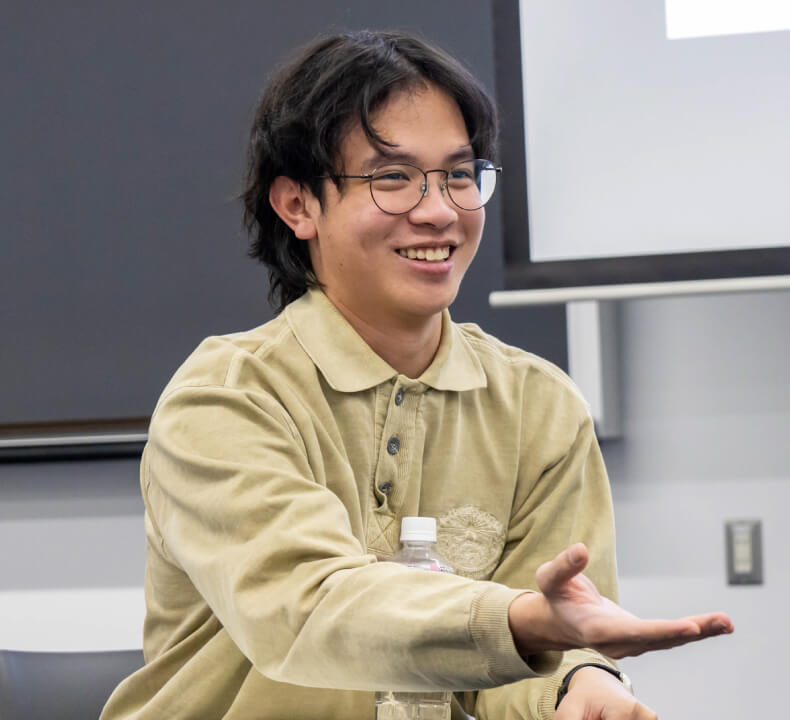
Tobita:Yes. I think your communication skills will definitely improve. I realized this during my job search; when I did group work during an internship at a company, I was highly praised just for doing it the same way I did in regular classes.
Looking back, most of the courses in the GC (Global Course) program involved group work, and I frequently had to work on assignments from scratch with people I'd never met before. While that was normal for me, it seems that other universities don't offer that kind of opportunity as much.
In a group where many people didn't know what to do, I took the initiative, and that naturally led to me being recognized. I was just enjoying the internship and interviews, though (laughs).
I think my communication skills naturally improved because I was in the GC (Global Studies) group.
Nara:GC Cluster has a lot of international students, right? GC Campus has a place called Brown Bag Café, where you can interact with international students. There are also many international students working part-time, so you can communicate with people from various countries. Besides this cafe-like exchange space, if you use the international exchange circle Global Supporters, you can talk with people from various countries and cultures with diverse personalities.
In terms of classes, when I was a first-year student, I was Japanese Major, so the classes were mostly Japanese, but Japanese students who showed natural Japanese volunteered as "class guests" and came to class. I guess this also serves as an opportunity for mutual communication.
Tobita:The Global Studies (GC) program offers a course called GS (Global Studies) where students learn in a foreign language alongside international students. Since GS is a required course for graduation, it requires a TOEIC score and involves communicating with people from various countries.
Naiki:In group work, you need to clearly express your own opinions, so you'll develop your communication skills and learn how to converse with people you've never met before.
It's more active learning than traditional classroom lectures. Students are encouraged to think for themselves and express their own opinions.
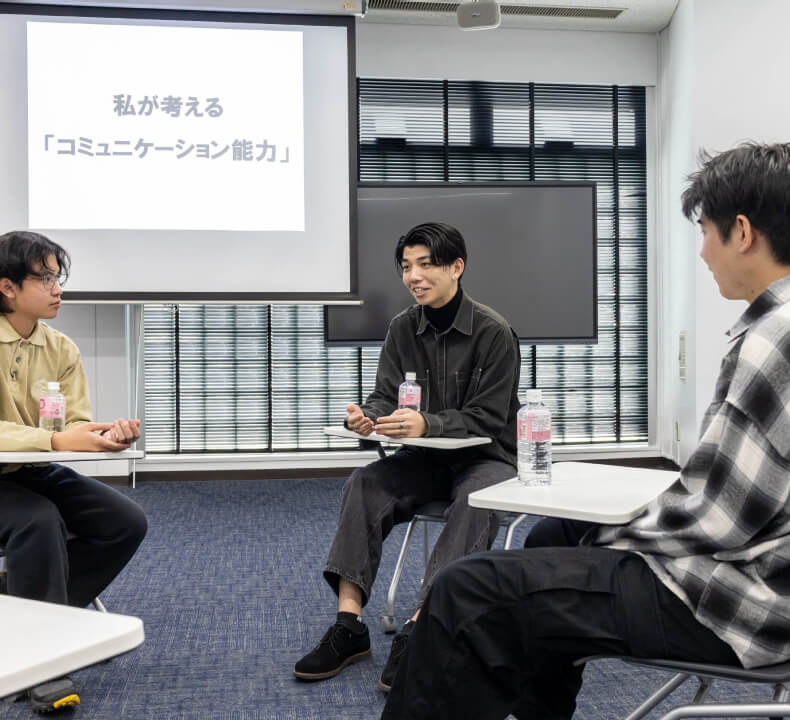
Nara:After graduation, I plan to work in a job that involves talking to many different people, so I'll be communicating a lot more, and I think I'll learn new things from that experience.
In places with many inbound tourists, you'll encounter people from other countries as well, so I think it'll be interesting to see what kind of communication you can have, but I suppose there will be challenges too.
Tobita:I'm going to work in the IT industry, where I can utilize the communication skills I acquired in the GC program. It seems that communication skills are essential in the IT world because there are many opportunities for discussion. I hope to further refine the abilities I've cultivated so far and turn them into my strongest assets.
Naiki:As a working adult, I expect to interact with people of a wide range of ages, so I want to make use of the communication skills I cultivated in the GC program. I'm moving back to my parents' home, where there are many elderly people, including my grandparents, so I want to communicate with them in a kind and supportive way.
Nara:Regarding communication skills, I forgot to mention this earlier, but I think it's important to have an "open mind" and to recognize that there are all kinds of people in the world.
For example, everyone has certain types of people they find difficult to talk to. But everyone has to talk to unpleasant people at least once in their life, so thinking about what strategies to use and what to talk about in those situations can be a good opportunity to learn communication skills.
Tobita:I'm naturally not very good at communicating, and I'm more of a shy type.
Even people like that often benefit from being diligent. Well, of course, there are also disadvantages. For example, even if you arrive 10 minutes before the meeting time, you might lose out if everyone else is late. But diligence is highly valued. I myself was respected by my teachers because of my diligence. As a result, opportunities for communication increase.
Even if you think you lack communication skills or confidence, I want to convey that if you seriously and diligently face the task at hand, you will naturally find yourself surrounded by more people.
 In the world's languages
 College of Global Communication 6 students
Obirin University's "Communication Skills" Superstar Roundtable Discussion
Article Index