Hozuki Takahashi
College of Business Management
Graduated September 2024

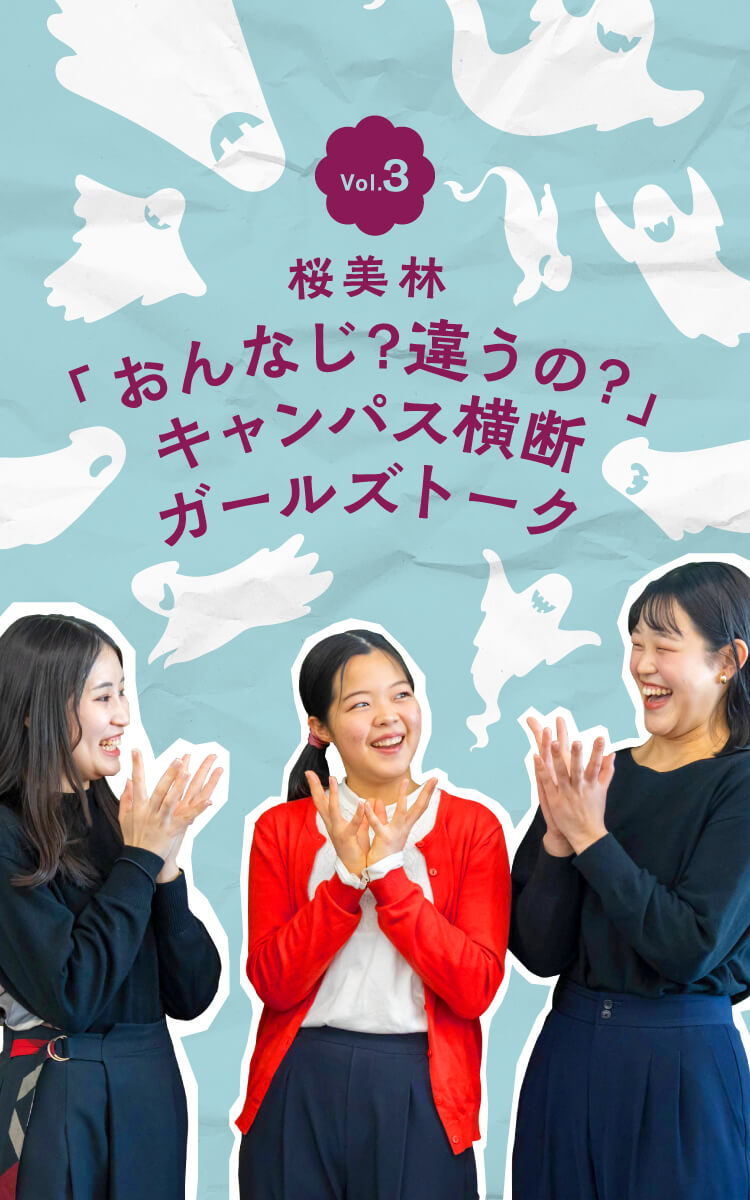

J. F. Oberlin University offers a variety of campuses with diverse attractions depending on the school cluster. In the third installment, three students from different grades discuss their activities and the appeal of Obirin from three campuses: Shinjuku Campus with College of Business Management, Tokyo Hinatayama Campus with College of Performing and Visual Arts, and Tama Campus with College of Aviation.
Although the atmosphere and culture differ depending on the campus and grade level, all three unanimously say that campus life is full of excitement.
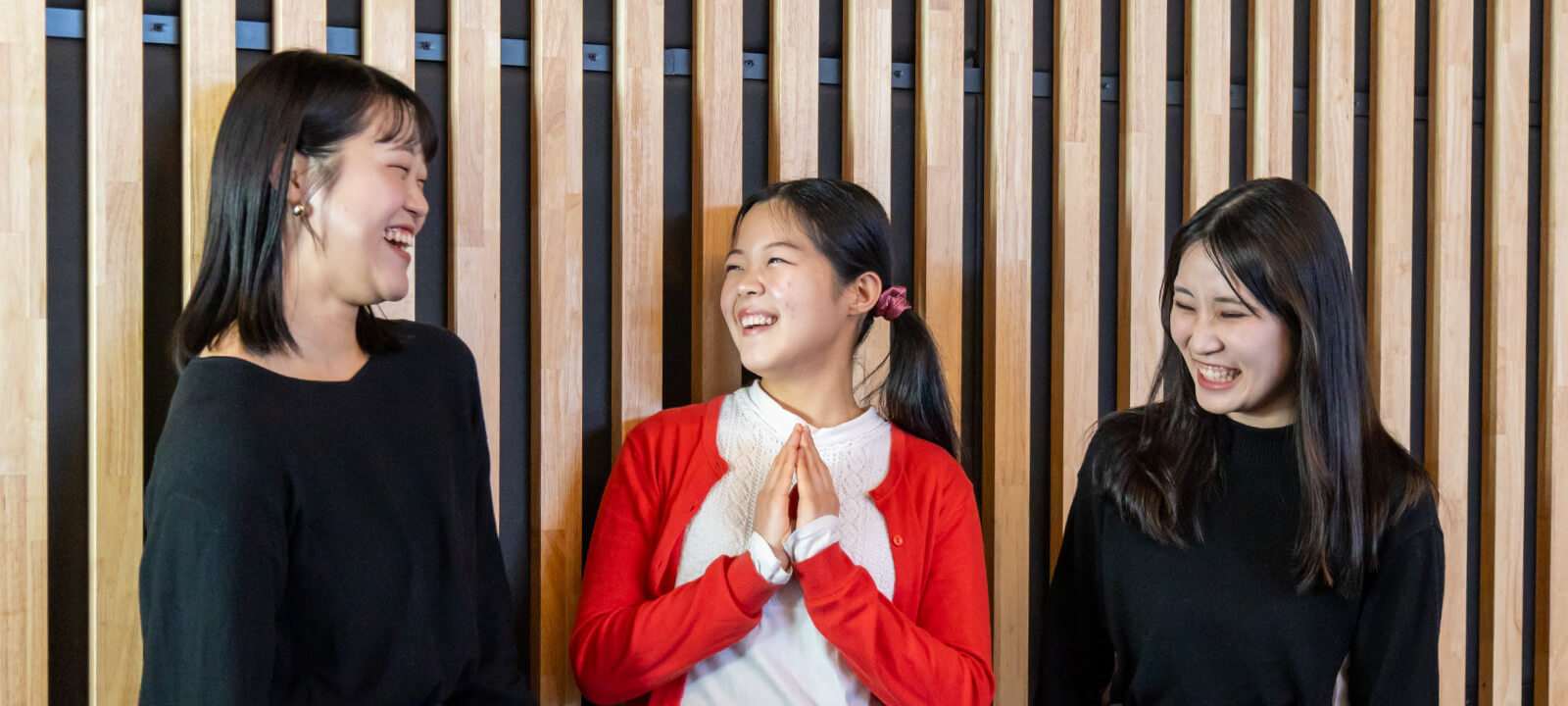
Three energetic women share their stories for 90 minutes. Experience the unique charm of each Obirin campus through girls' talks filled with laughter, emotion, and digressions.


Hozuki Takahashi
College of Business Management
Graduated September 2024
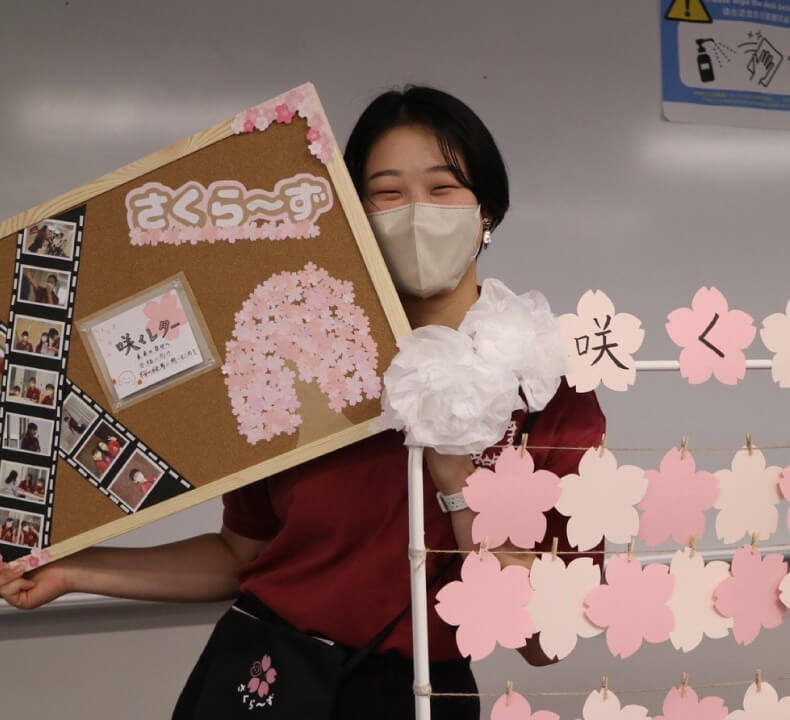
Former leader of "Sakura-zu" at the Shinjuku campus. Graduated early from the BM program last September and is currently studying to study abroad. While enrolled, she took on leadership roles in various activities in addition to Sakura-zu.
Mayuko Futami
College of Performing and Visual Arts
Second Year
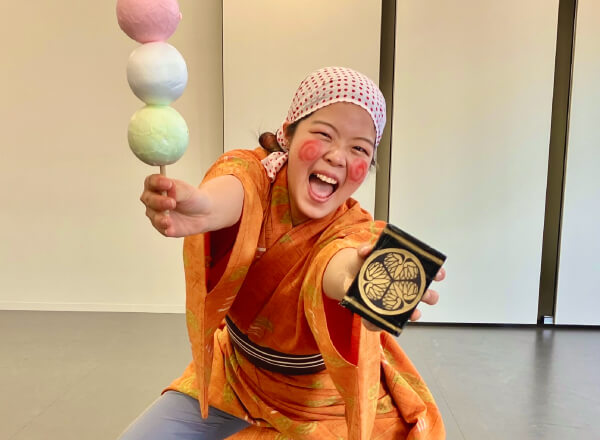
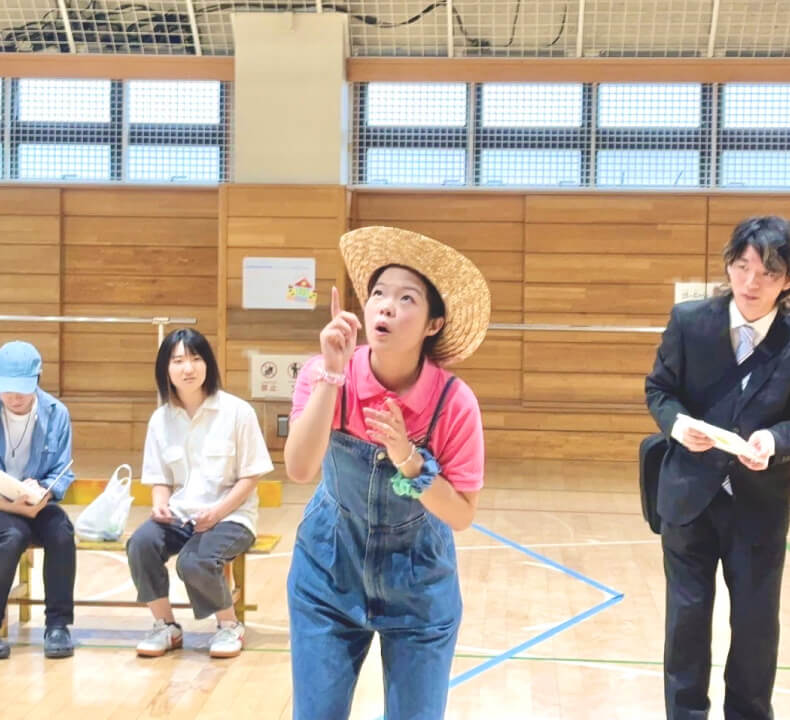
Affiliated with "Sakura Mate" at Tokyo Hinatayama Campus.* While working as an actor, she also serves as the co-director of the student theater group "əSCAPE-GOAT (Escape Goat)".
Futami's Instagram account
@mayumaguro7

Nanami Nagashima
College of Aviation
3rd Year
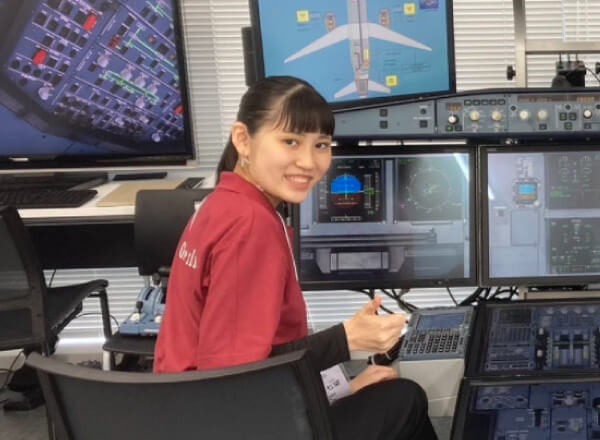
Vice-representative of "Sakura Flight" at the Tama Campus. The only female member in her year group of the club "JF Oberlin Aircraft team Ciel," which participated in the Birdman Contest for the first time last year.
* "Sakura-zu," "Sakura Mate," and "Sakura Flight" are all organizations that plan and manage open campus events. There is a separate organization for each campus.
Takahashi:I am Hozuki Takahashi. I graduated early from College of Business Management (BM Program) last September. Currently, I am studying to enter graduate school overseas. In the future, I aim to become a person who can succeed on the world stage in industries such as the hotel industry.
Futami:College of Performing and Visual Arts I'm Mayuko Futami, a second-year student in Theater & Dance Major. I'm studying because I want to become an actor. Right now, there's a senior performing on their graduation research stage in mid-March, so I'm practicing every day for that, and today was my only off-season. It's a fulfilling busyness.
Nagashima:College of Aviation My name is Nanami Nagashima, a third-year student who will be a fourth-year student starting this April. I originally wanted to become an air traffic controller, so I enrolled in the control track. Recently, after studying abroad, my dreams changed a bit, and I want to work in a general position in the aviation industry, or work in that field.
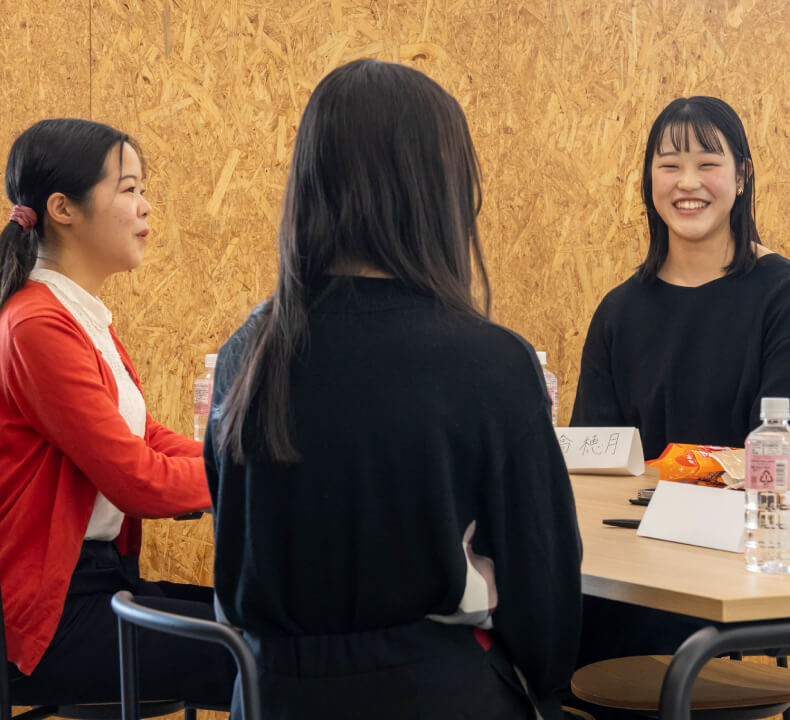

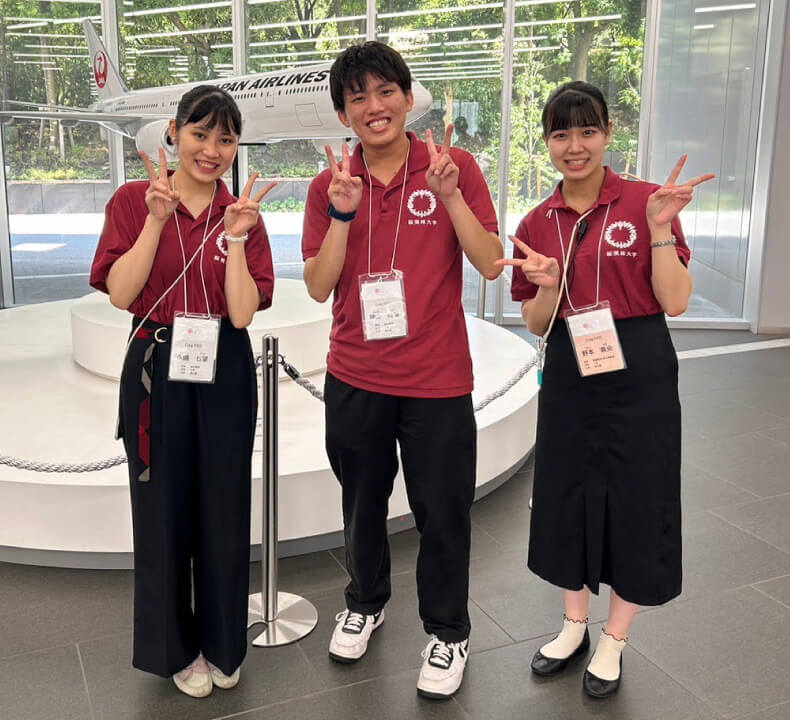
Nagashima:The campus I attend is the Tama Campus located in the Tama Center. College of Aviation is a school with fewer students than others, and my grade only has exactly 100 students.
Futami:That's fewer than I expected! I thought there would be a few more...
Nagashima:Because the academic group is divided into four courses, the class sizes are truly small.
With around 450 students across all grades, almost everyone knows each other, and a strong sense of camaraderie exists in classes, clubs, and groups like "Sakura Flight." This close-knit, family-like atmosphere is a defining characteristic of the Tama Campus.
It's a beautiful campus, almost too white (laughs), giving off an image of an airplane or an airport. It's truly a wonderful campus for anyone who loves airplanes. There's a large map in the elevator lobby, showing time zones from all over the world, and even the restroom signs feature illustrations of pilots and air traffic controllers...
Takahashi:The Shinjuku campus is quite compact, and perhaps because it's located in Shinjuku, the heart of the business district, it has an office-like atmosphere. There's a student-run cafe on campus, and students can research the culinary business in a kitchen-like setting. I think the abundance of such practical learning opportunities is one of the attractions of the Shinjuku campus.
In the Business Management (BM) program, students study business while also considering how they can contribute to society. It's a program where learning is not just about acquiring knowledge, but also about learning through interactions with people.
Rather than classroom learning, we tend to go out into the field. Some students go abroad to conduct research, and we have constant contact with companies and shops in various regions, so we have plenty of opportunities to go, see, and hear things firsthand.
We have guest speakers in class every time, and we get to hear about what they studied on a daily basis, so we gain a lot of information.
Futami:At the Tokyo Hinatayama Campus, perhaps because it's in the field of arts and culture, I get the impression that many people are enjoying what they're doing. I think that the ability to pursue what you want to do, gather friends, and have a sense of independence are also characteristics of the arts and culture program.
When we encounter something we can't solve on our own or need help, we go to our teacher and ask things like, "This is how we're planning it right now, what do you think?" or "Have we properly addressed this part?"
Obirin University is famous for its student theater groups. There are many universities with a strong drama program, but having so many student theater groups is a unique characteristic of Obirin. I'm actually the co-director of a student theater group called Escapegoat, and the director, a guy, invited me, saying, "Mayumaguro (Futami's nickname), let's start a theater group together," and I was like, "Really? That's great!" and joined (laughs).
Nagashima:College of Aviation is very close to the teacher. There's a staff office on the 4th floor, and everyone is always crowding around the teacher (laughs).
The teachers also give me sweets, and nowadays, we can talk about job hunting or regardless of grade level, and they share all kinds of information.
It feels more like a high school class than a university student.
Takahashi:I think the relationship between students and professors is also close in the BM (Business Management) program. Professors come from various industries, and if you want to know one thing, they have the knowledge to answer 10 or even 100 times, so you won't have any trouble with job hunting or industry research. If you communicate with them in class, they will quickly remember your name and tell you to ask if you have any questions, so I think the relationship between professors and students is good.
I think that at Obirin University, you can learn not only from teachers and classes, but also from fellow students, and this environment exists on every campus.
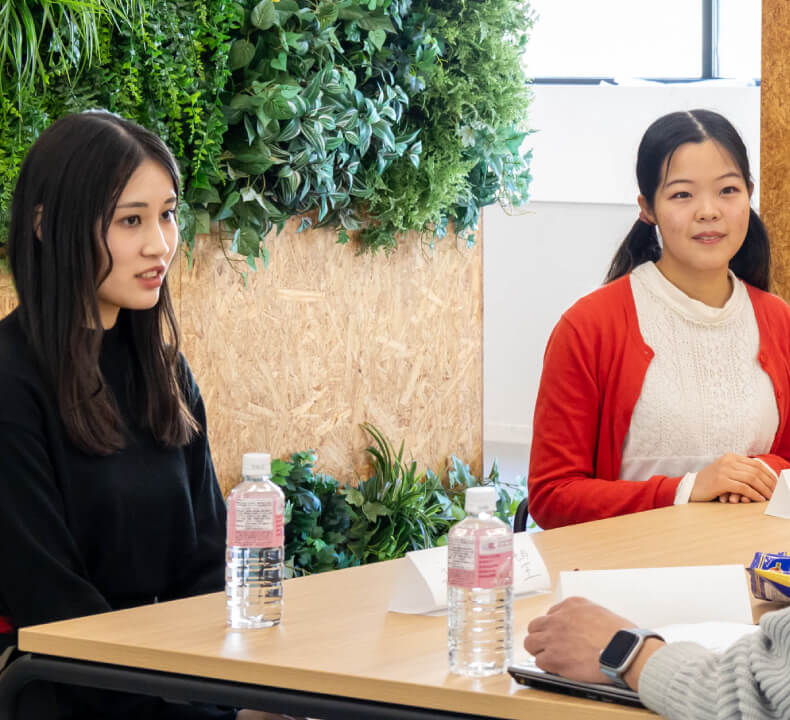
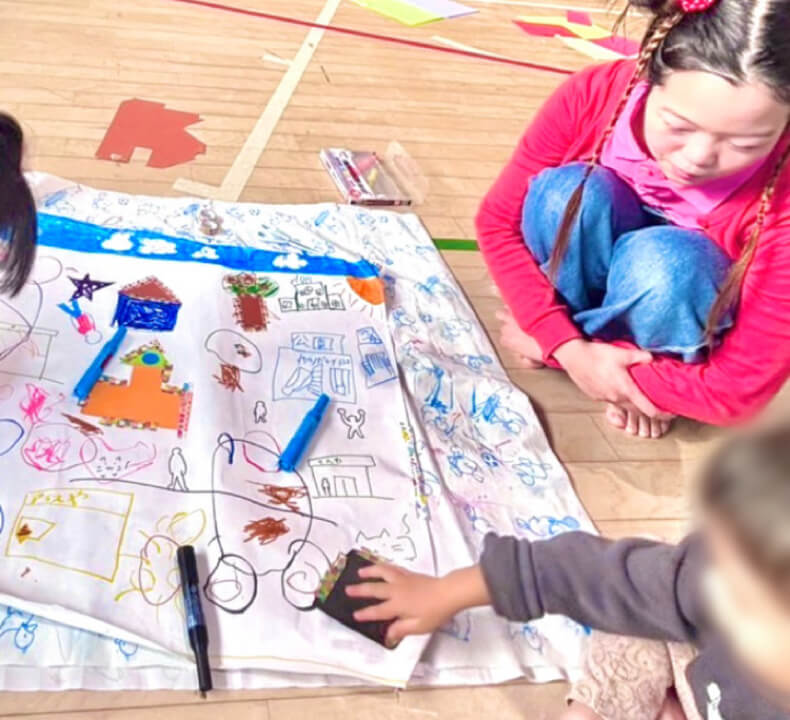
Futami:The main event at Hinatayama Campus is hands-on workshops. There are few universities where you can learn practical skills in theater; there are many universities where you can learn the history of theater, but universities where you can learn practical skills are rare. That's why hands-on workshops in theater are the highlight of the campus.
Nagashima:Since it's the only university in Japan where you can specialize in aeronautics, it seems that the parents are more worried than the children, and we get quite a lot of parental participation. Sometimes just the father and mother come and ask things like, "Is it okay?" or "My son wants to enroll."
Now that I'm on the receiving end, I've asked my parents, "What did you think when I said I wanted to join?" We share our own experiences, and we have alumni speak and answer questions at talk shows. Current students also share their stories, and we let high school students ask questions directly. We all try to answer them together, hoping to alleviate some of their anxieties.
Futami:Wow. That's so typical of aviation!
Takahashi:The BM (Business Management) group incorporates a business perspective, creating an organization with a leader, vice-leader, and branching out below them. They plan and operate their open campus events by incorporating aspects of human resource management that are likely to be applicable in society.
If you learn something in university, like how to create a hospitable space, you can try it out at "Sakura's."
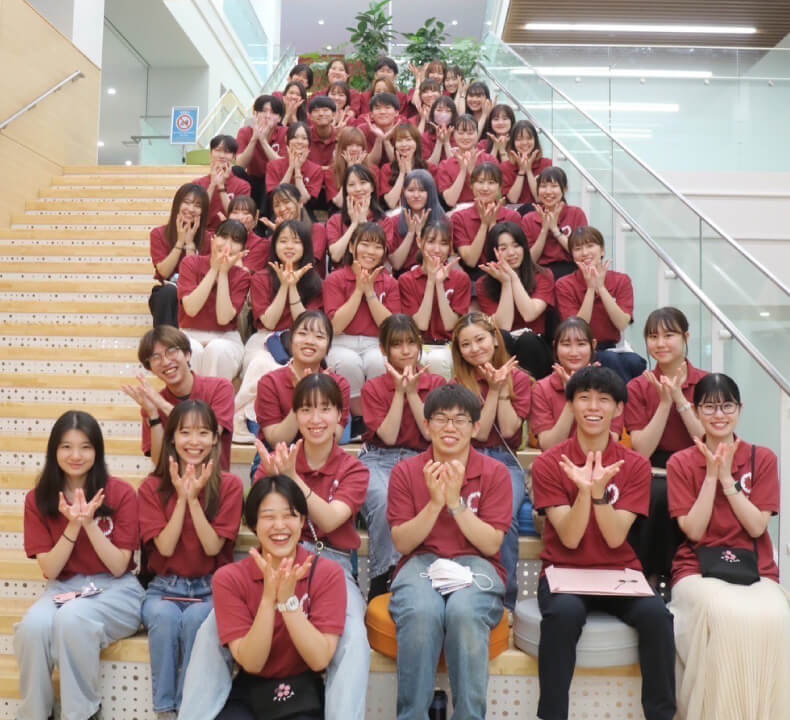
Takahashi:First, listen.
All:Important!!
Takahashi:I think there are very few people who are completely free of anxiety. Whether it's about upcoming exams or wanting to confirm if a particular school is truly right for them after passing, I think it's really important for us students to be able to say things like, "It's going to be okay," or "We'll be waiting for you," to those who are feeling anxious.
Futami:First, I try to give off an aura that says, "You can ask me anything," with a smile.
Nagashima:We value the idea that what's normal for us isn't necessarily normal for our visitors. When a child says they want to go to aviation, we make sure to understand that there are all kinds of reasons: some are really passionate about airplanes, others are inspired by something, or it's related to their parents' profession. For children who aren't particularly interested in aviation, we always make sure to express our gratitude for them showing even a little interest and coming to visit.
Takahashi:Gratitude might be the most important thing. Even just saying "Thank you for coming" to someone you've only spoken to briefly makes a huge difference.

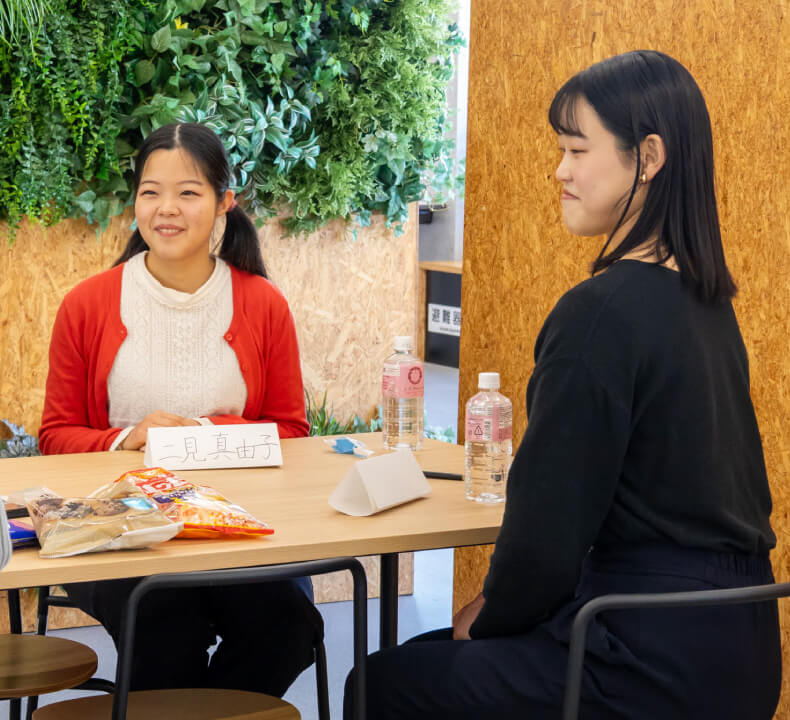
Nagashima:I was eating in the cafeteria when someone called out to me. They remembered my name and said, "I successfully got into the XX course! Thank you so much!"
I'm so moved!
When people remember me and thank me, it makes me feel like it was all worthwhile.
Futami:It was at open campus events, or when I gave campus tours showing classrooms and talking about classes, or when I assisted with seminars on how to write self-introductions. The students I met through those experiences have now enrolled and said to me, "You're the senior from back then, right?" I was so happy that they remembered me.
Takahashi:The BM group plans everything from scratch, so it's gratifying to hear feedback from attendees like, "I'm glad I got to hear that talk," or "I want to be like the senior student who was there." We want to create even better things, make new connections, and reconnect with people—it's all about human connections, and there's nothing but good things about it.
Nagashima:Because aviation is a somewhat unique field of study, we base our projects on things we wished we had experienced when we were in high school, or things that would have made us happy. And when high school students tell us, "That was great," that makes us feel good.
Futami:With HinaCamp, high school and university students are like seniors and juniors, but also like comrades who want to pursue art together, and it feels like they're all on the same side, happy to be able to do things together.
Artistic activities depend on having an audience, so I feel like there's a good balance between seeing visitors as customers and having a sense of solidarity with them as colleagues.
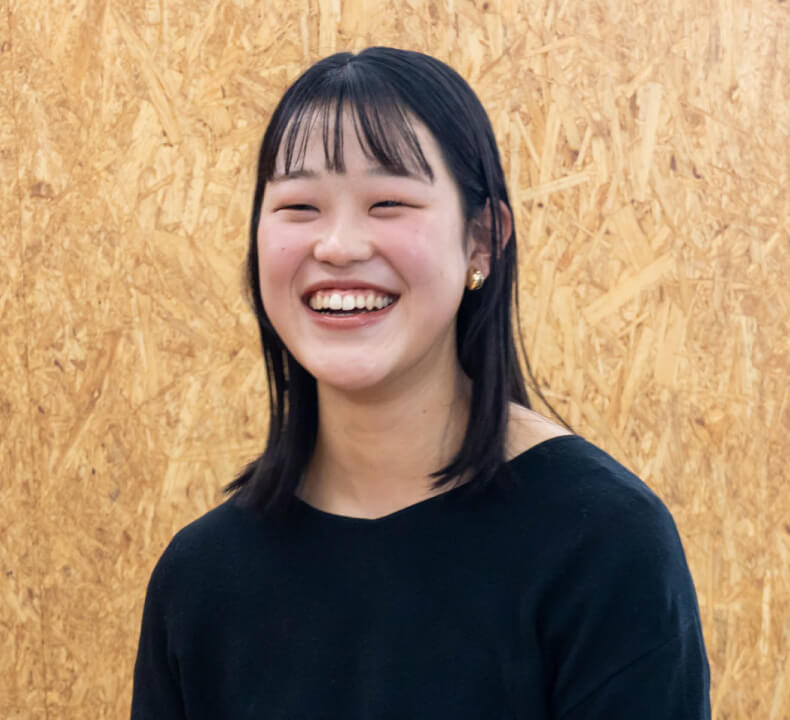
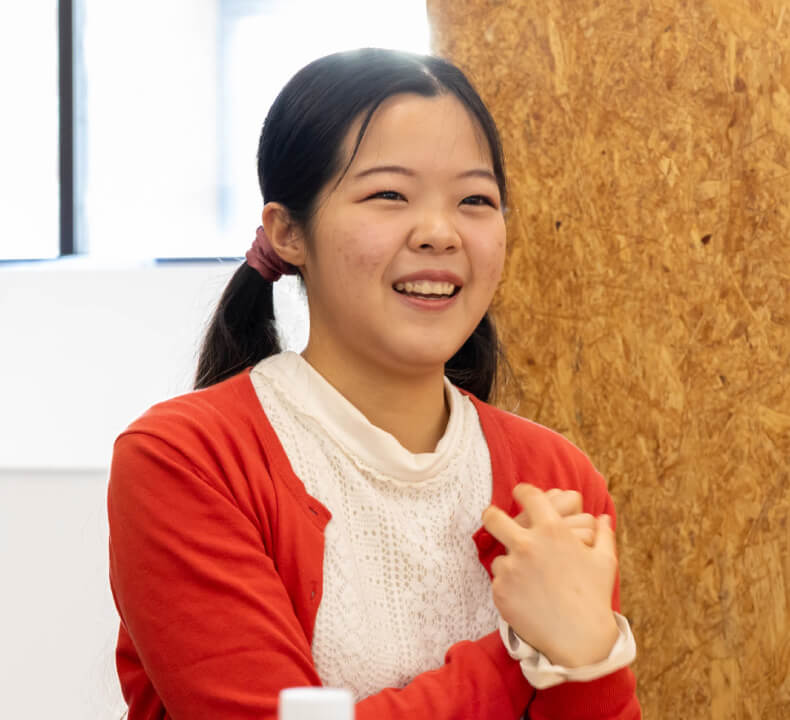
Takahashi:During my university years, I could almost say that all I did was communicate. I gained a lot of leadership experience, serving as the representative of my seminar and Sakura-zu, the team leader during my study abroad, and the chairperson of the organizing committee for an academic workshop, which was like a competition for business management.
Throughout the process, I've had encounters with new people, my perspectives have changed, and I feel like I've grown and gained a lot.
As a leader, what I valued most was the way I spoke and communicated. For example, as I mentioned earlier, I was conscious of how to express gratitude and how to communicate in a credible and heartfelt way.
Nagashima:I often hold a position one level below the representative. I'm the vice-representative of Sakura Flight, I'm also on the university festival organizing committee, and I'm in the Birdman Club. As the only female member in my year, I'm in a supporting role as vice-representative. The reason I'm able to do all of this is because of the support I receive from those around me. Even when I don't ask for help, there are many people who support and encourage me.
Especially when I studied abroad, I felt that we were able to communicate really well because we shared our anxieties, created an atmosphere where it was easy to ask questions about things we didn't understand, and were all together.
(So it's a human-powered aircraft club.)
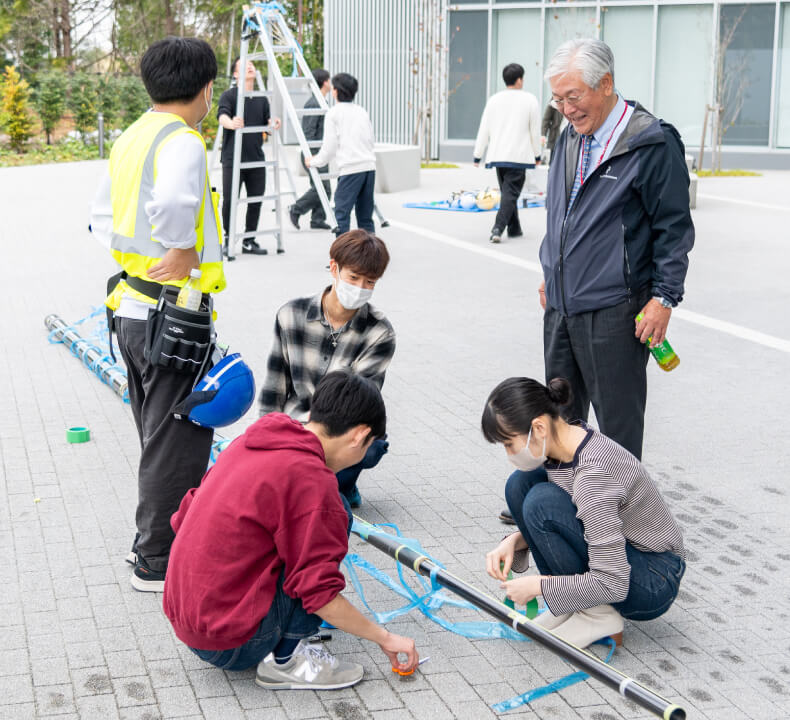
When I joined the Birdman Club, it had only been established for two years, and last year we participated for the first time and managed to fly much further than our goal. Actually, the teachers had even bigger ambitions than the members, and it seems they had wanted to fly when they were students but weren't able to (laughs).
Futami:Art created with the intention of conveying something to another person—whether it's words, theater, music, or painting—is all a form of communication, in my opinion.
I'm currently working on a project that deals with a rather difficult theme: the struggles of life. First of all, in the process of engaging with the work, there's a lot of communication between the actors and the crew. That communication reaches the audience, and then the audience members themselves start communicating, saying things like, "There's this interpretation too," or "But maybe it's like this."
I feel that art is what's needed to provide the initial energy to create that kind of chain of communication.
Takahashi:At Obirin University, the environment responds to your efforts. Those around you will help, support, and offer you options—they'll be on your side. This applies not only to teachers, but also to fellow students, regardless of seniority.
You gain a significantly larger number of experiences, interacting with a greater variety of people and engaging in more communication.
I think that once you enter the workforce, you'll definitely have to interact with other people and do work-related tasks, and perhaps it's because you're constantly getting experiences similar to that while you're in university, which is one step before you enter the workforce.
Futami:Speaking of originality, until very recently, graduation projects were on display all over campus. You're constantly bombarded with other people's work and ideas without even realizing it. The library is also full of art-related books, and you can learn so much from it.
As I mentioned earlier, there are many student theater groups and graduation project performances, so it's a place where you can hone your originality and pursue what you want to do. It's a place overflowing with input and output.
Nagashima:Taking action is also crucial in the aviation industry, where teamwork is essential. We're constantly told in various classes that if you don't act when you think "Hmm?" or "Something's not right," it could endanger the lives of tens of millions or even hundreds of thousands of passengers.
Communication is also important in the aviation industry, so if the instructors see a student who seems down, they'll talk to them and say, "Tell me if something's bothering you."
There's a sense of camaraderie throughout the entire aviation industry.
My dream is to work in the same industry as the people I'm currently studying with. When I tell my teachers and guest lecturers—people who are currently working in the industry—that I want to work in the aviation industry, they often say things like, "We'll be waiting for you," or "Let's work together," and that motivates me to keep going.
I want to cherish the connections I've made and work hard so that I can work at the same airport or in the same sky.
Futami:There are many options available, such as starting a student theater group, planning a project, joining a club or committee, and there are plenty of things to get excited about.
It's full of excitement, and it's easy to think, "Other people are doing it, so I'll try it too!"
Nagashima:It's definitely stimulating! I feel it intensely every day.
Takahashi:University is a very different environment from high school, isn't it? I think it's a place where you learn how to interact with others and with society as an individual, so in addition to learning specialized knowledge, you can also learn how to interact with people.
Nagashima:The more kids there are with strong personalities, the more I get inspired, and sometimes I think, "Wow, that's great," or "I'm jealous," and I feel like I can change because of that.
It's not that people are easily swayed; rather, everyone has their own opinion, saying things like, "This is what I think," and many people around them don't dismiss it but instead accept it with a "That's an interesting perspective."
Takahashi:People often say I have a strong personality (laughs).
Futami:There are a lot of students who are really glad they met this guy (lol).
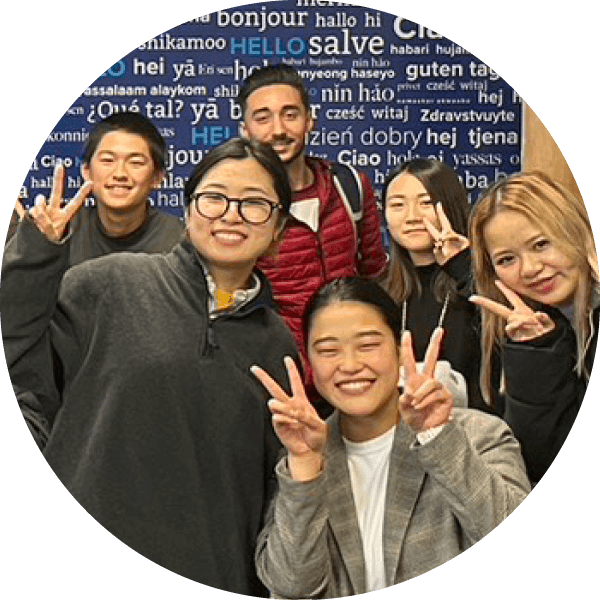 Takahashi-san
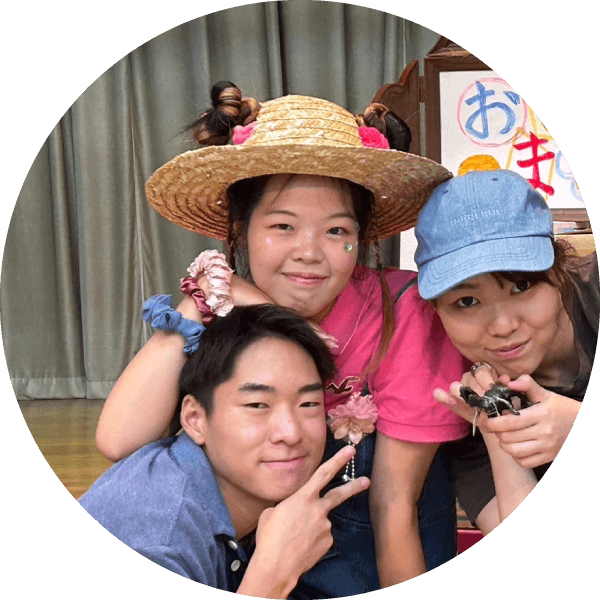 Futami-san
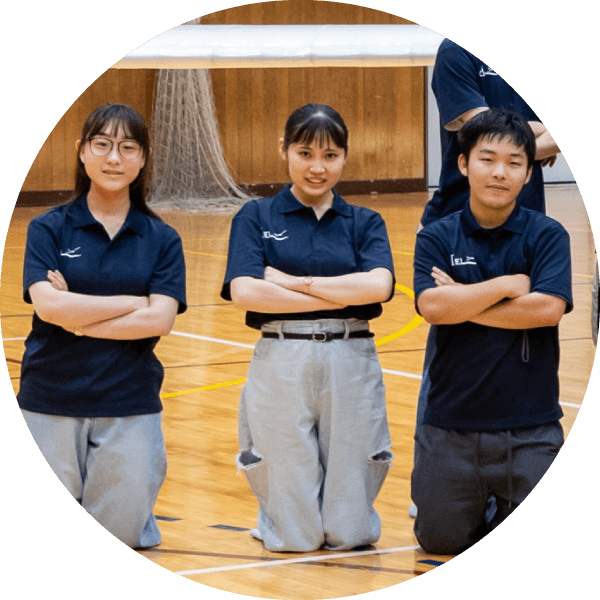 Nagashima belongs to the group "Ciel"
Obirin University's "Communication Skills" Superstar Roundtable Discussion
Article Index